



 All orders till December 21st will be delivered in time for Christmas !!! (+ free gift wrapping)
Weekly Herald on Antique Jewelry (archive)
Perhaps you know someone who might be interested in receiving our Weekly Herald per mail?
Forward them this page so they can subscribe themselves at:
our subscription page
Fill in your e-mail address if you want to receive our weekly herald
Be a princess this Christmas
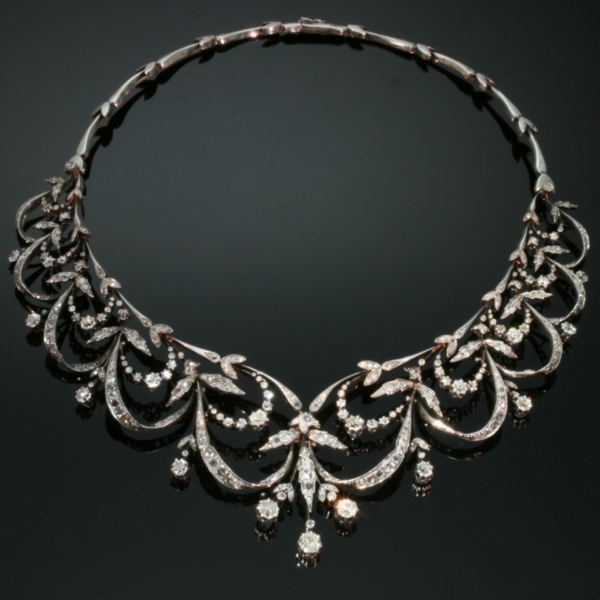 |
Made by Auguste Dufour, supplier to the Belgian court, somewhere in mid-nineteenth century for what we think must have been a princess or at least someone of the old aristocracy. When draped around the neck it looks like precious lace. Click the picture to find more about this magnificent piece.
Get lucky this Thanksgiving
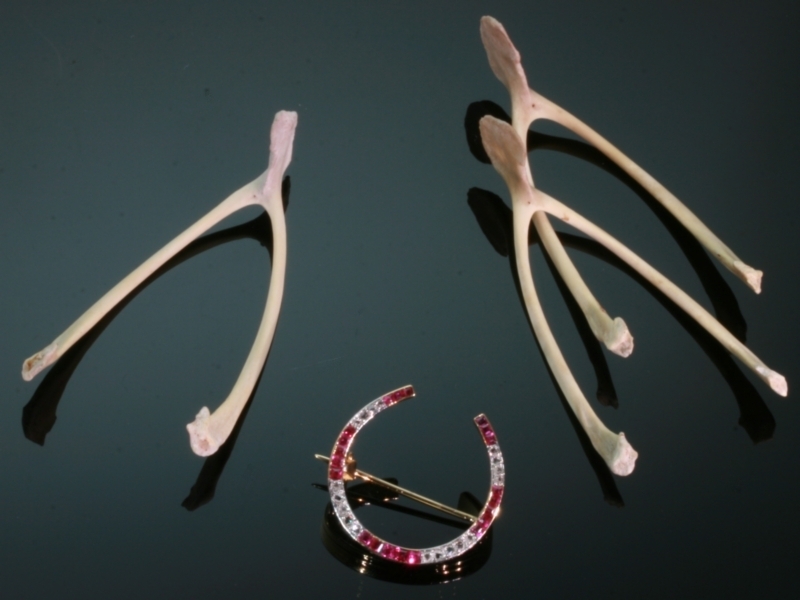 |
Throughout the centuries wishbones have been used for all sorts of superstitious practices, like long-run weather forecasting or even predicting how a war would end. Tradition has it that Etruscans and Romans touched a dried furcula (Latin term for wishbone, meaning "little fork") as they made a wish. The Romans introduced this practice into Great Britain and from there the early settlers brought the tradition to America.
But why let your luck depend on a wishbone? Get instantly lucky (and happy) with this beautiful Art Deco horse shoe brooch or some of our other antique luck tokens.
An "expert" opinion on
EMERALD
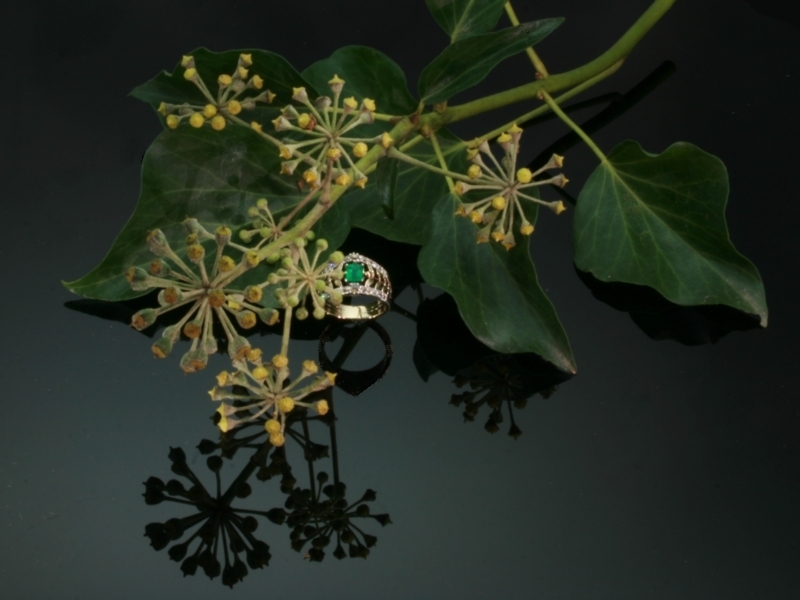 |
Recently we found an antique book on gemstones written by what we consider to be an "expert". We just would like to share with you some of his revealing insights. This week we share his knowledge on emeralds.
"Greener then green is the emerald!" Thus speaks the old magician in his book. "This stone suffers no unchastity! To even such degree that if one weakens a virgin, the stone shatters! Therefore this precious stone can also be used as a drug to resist lovepotions of lewd women."
Terrible, those lewd women in the middle-ages... a good thing that doctors had such strong remedies against them.
Some more revealing insights on other gemstones from our new found "expert" will follow soon.
The Adin Carrot Diet
One of life's root necessities
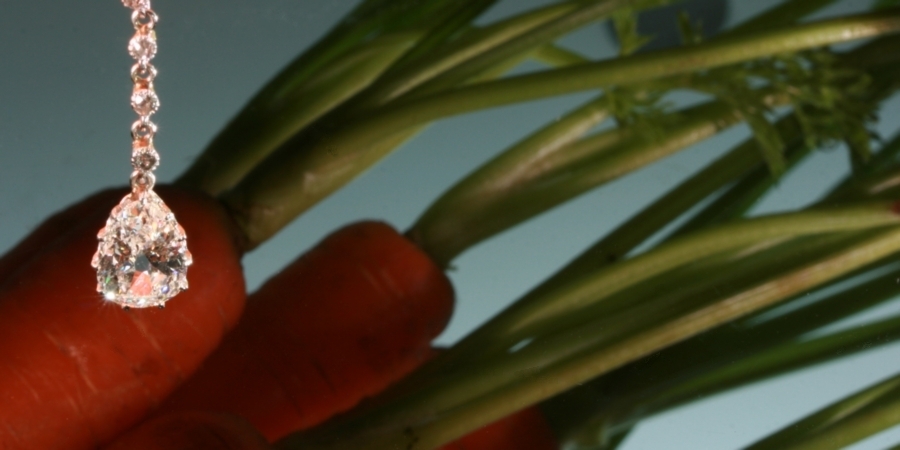 |
Is it possible that consistent moderate weight loss could reliably result from a diet as simple as buying more Adin Carats? Yes!
The basic rule of this diet is to buy a few carats at or near the beginning of every celebration. Why should this work? This works because a bulky carat leaves no room at the party's end for the extra ice-cream or cheesecake. That saves a considerable amount of calories per party, which translates to a weight loss of more carats then obtained from Adin.
Adin Carrots are healthy additions you can make to any list in your diet. Indeed, these root necessities come with wholesome health benefiting compounds such beta-caratenes, vitaminA(antique) and vitaminD(diamond) in ample amounts.
Adin Carats are freely obtainable at www.adin.be. No doctor's prescription needed!
An "expert" opinion on
AMETHYST
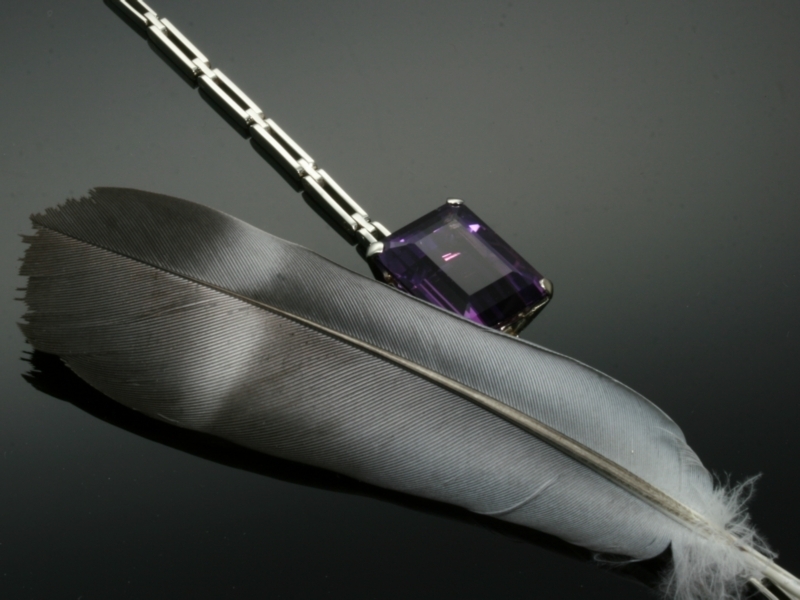 |
Recently we found an antique book on gemstones written by what we consider to be an "expert". We just would like to share with you some of his revealing insights. On amethysts he writes:
"Amethyst proved itself against witchcraft, which is still believed to be the cause of many accidents today. One should engrave the sun and moon in an Amethyst and wrap it in the feathers of a swallow. Wearing this amulet protects the wearer and his/her property against black magic."
And he follows:
"Because Amethyst is the birthstone for Pisces it is closely associated with Neptune and thus with all that has to do with water. Therefore, sailors will do well to providing themselves with an amethyst, so Neptune will be merciful on them. Amethyst also protects against inundation, flooding and risk of undermining."
We at Adin rather have our customers taking swimming lessons and buying amethyst as present for each other than using it for the powers proclaimed by the "expert" in this antique book.
Some more revealing insights on other gemstones from our new found "expert" will follow soon.
An "expert" opinion on
SAPPHIRES
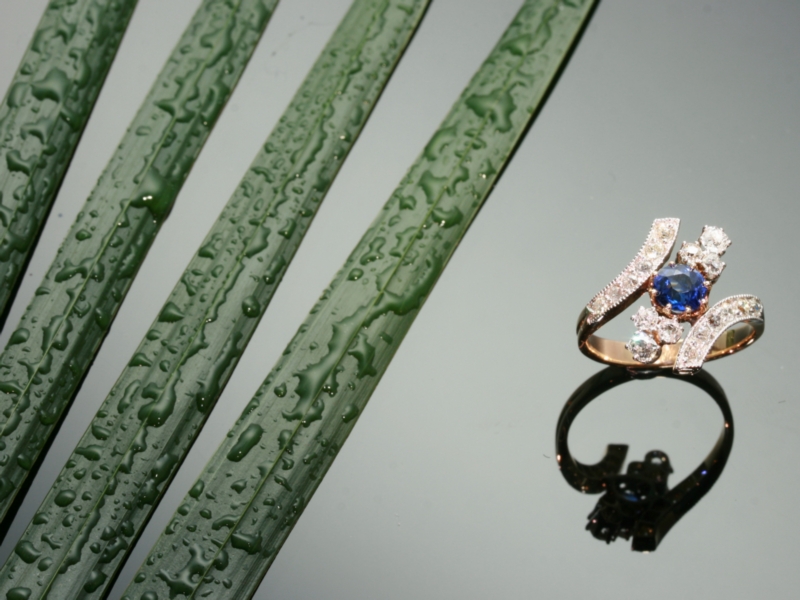 |
Recently we found an antique book on gemstones written by what we consider to be an "expert". We just would like to share with you some of his revealing insights. On sapphires he writes:
"When a man is imposing his love on a woman, and he is obnoxious to her, thus she should pour wine over a sapphire three times and give him this to drink, with or without his will while pronouncing the following Latin adage: “Ego vinum hoc ardentibus viribus super te fundo, sicut Deus splendarem tuum, praevaricante angelo, astra xit ut ita amorem libidinis ardentis viri huius de mesabstrahas.”
This translates freely to: ”This wine with burning powers I thee pour, as God extinguishes the sparkling halo of the fallen angel. Likewise, it will extinguish the burning lust of this man for me”.
Perhaps important to mention is that we do NOT endorse this information. We rather suggest that any man who is in love with a woman, would offer the woman of his dreams an antique sapphire ring and then have a few glasses of wine together.
Some more revealing insights on other gemstones from our new found "expert" will follow soon.
Hide and seek in The Garden of Adin
Find the Hyacinth
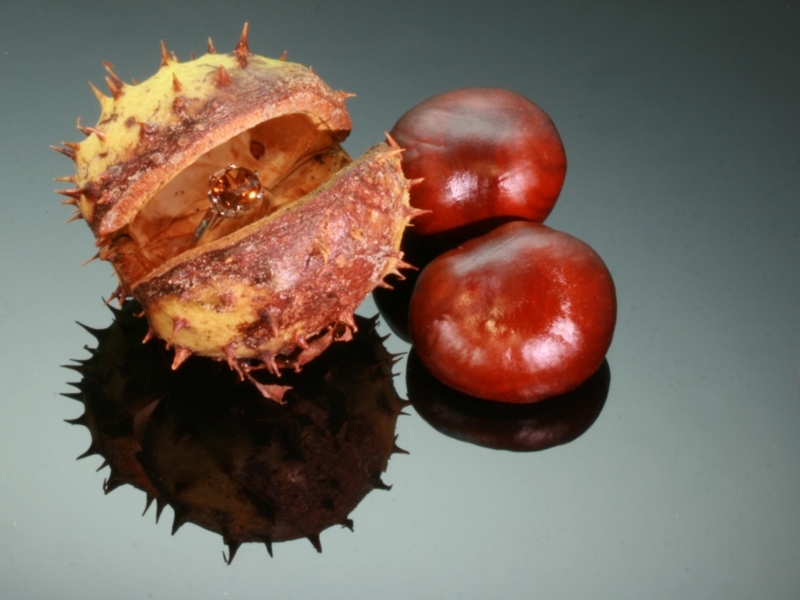 |
A lot has been written about gemstones by experts and “experts”. Some articles we find to be very informative and serious, but there are also a lot of cute stories around. And we would like to share some of the cute info we found on the stone pictured here, the Hyacinth.
"The hyacinth is seen as protection against arroused cardiac activity and fever as well as protection to bite and sting poison from malicious insects and amphibians. In order to quench the fever and restlessness, the hyacinth is crushed into a fine powder and given to the sick in small doses from time to time."
Perhaps important to mention is that we do NOT endorse this information and we strongly advise NOT to crush this beautiful piece. Some more cute insights from this "expert" on other gemstones will follow soon.
Scary Bracelet
MOOOOOHAHAHAHAAAAH
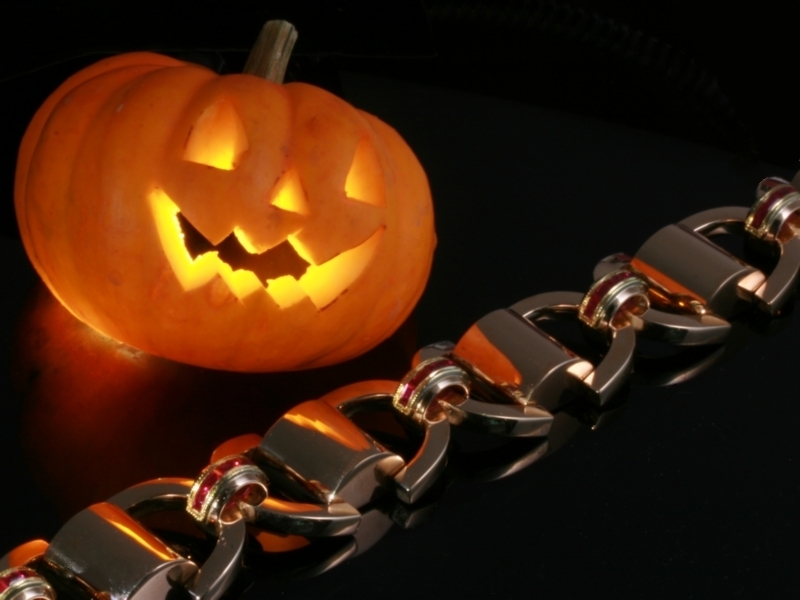 |
Tank bracelet - The bracelet pictured is a so-called tank bracelet. This, because its design is based on the caterpillars of a tank; a typical motif for bracelets in the Retro period.
The strong geometrical shapes of the Retro style (ca.1940-1950) shows how strongly influenced it is by its predecessor: the Art Deco style. Using the same type and language of geometrical shapes but with bolder heavier lines and shapes. Typical for the Retro style are the often used carré cut ruby or sapphire stones.
The bracelet we present here is a typical child of its time.... and that's what antique and estate jewelry should be all about: That a piece fully represents the time it was made in.
Hmmmmm, when you think about it... actually not scary at all.
Adin's Carat Weight Watchers Club
proudly presents:
"The Antique Jewelry Diet"
 |
The New Diet Everyone is Talking About!
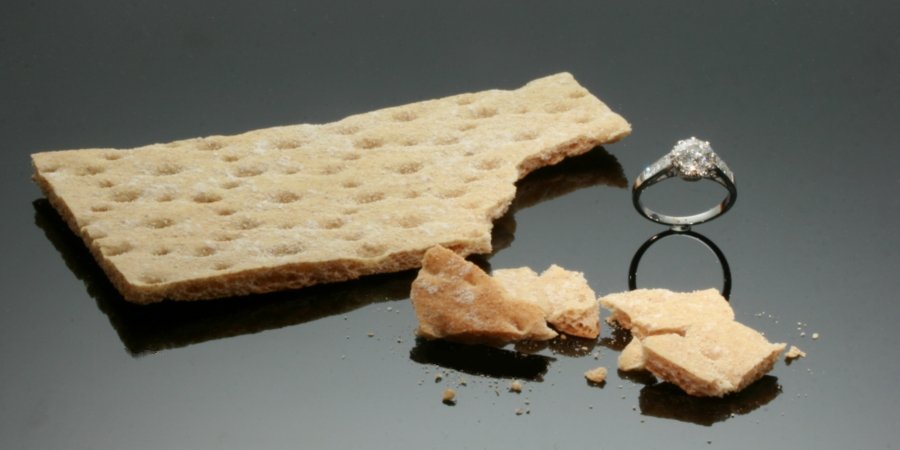
ANTWERP, October 17 - A recent published study by The Adin Scientific Center for Physical and Mental Welfare suggests that all diets, regardless of their macronutrient content, are more than positively affected by Adin's Antique Jewelry Diet Supplement®.
The idea behind the Adin Antique Jewelry Diet Supplement® is simple yet effective: reward yourself with a piece of Adin antique jewelry whenever you achieve a certain target weight. According to Adin's chief scientist Dr. Elkan Wijnberg, results of multiple clinical tests show the statistically significant benefit of this new diet.
Indulge yourself with
Adin's Antique Jewelry Diet Supplement
100% satisfaction guaranteed!
Lucky opal
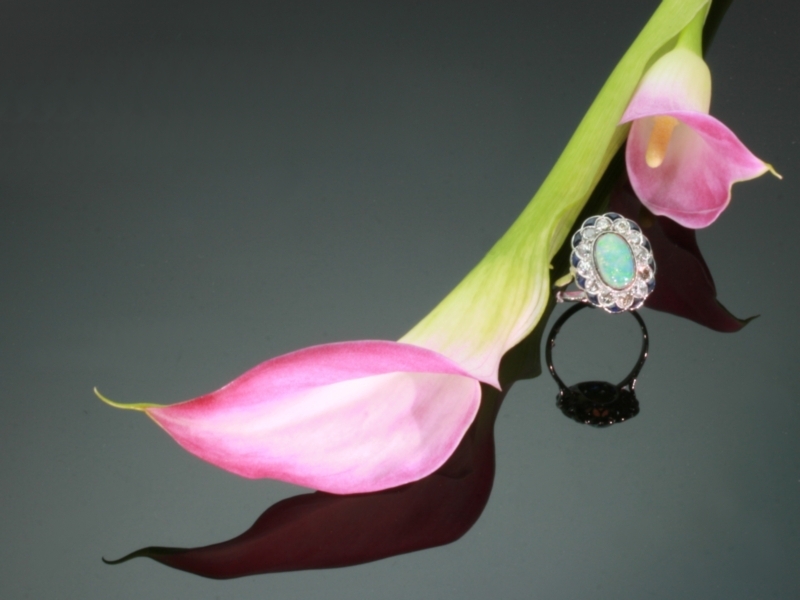 |
Already back some 1000 years ago, in the Middle Ages, opal was considered to be a stone that would bring luck because it had all the colors of all the other gemstones in it. It was also believed that when wrapping an opal in a fresh bay leaf, one would turn invisible when wearing.
Though we do not endorse the latter statement, we do believe the person who will get this opal ring will be very lucky.
Hissing snakes and shimmering serpents
playing hide and seek in The Garden of Adin
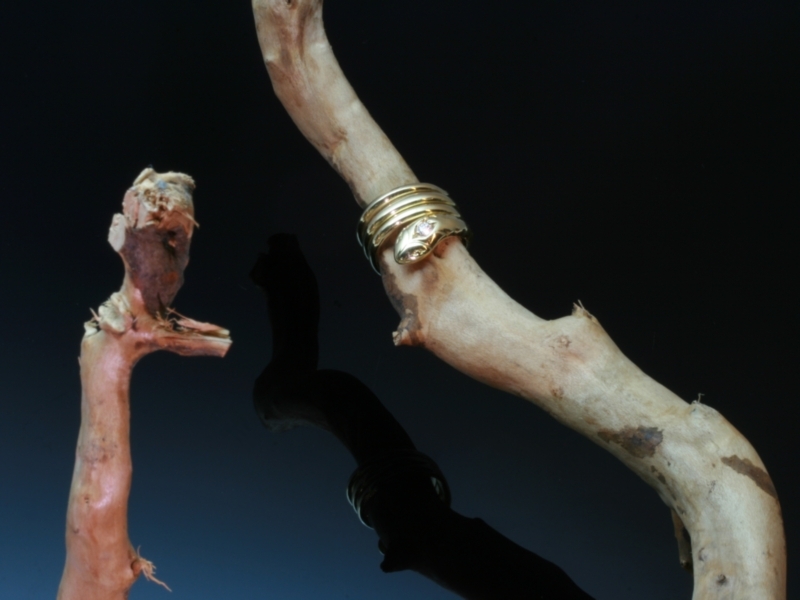 |
Snakes and serpents - One of the oldest and most widespread mythological symbols in various cultures is the snake or serpent. Symbol of fertility, immortality, wisdom, intelligence and healing, the snake has always been adjusted many positive (and negative) characteristics.
Therefore it should not come as a surprise that they always were a rich source of inspiration for goldsmiths and jewelers over the ages. At Adin we have a fine collection of authentic antique snake jewelry, mostly made at the end of the 19th Century. Come and take a look.
Autumn Art Deco Beauties
 |
In the Garden of Adin
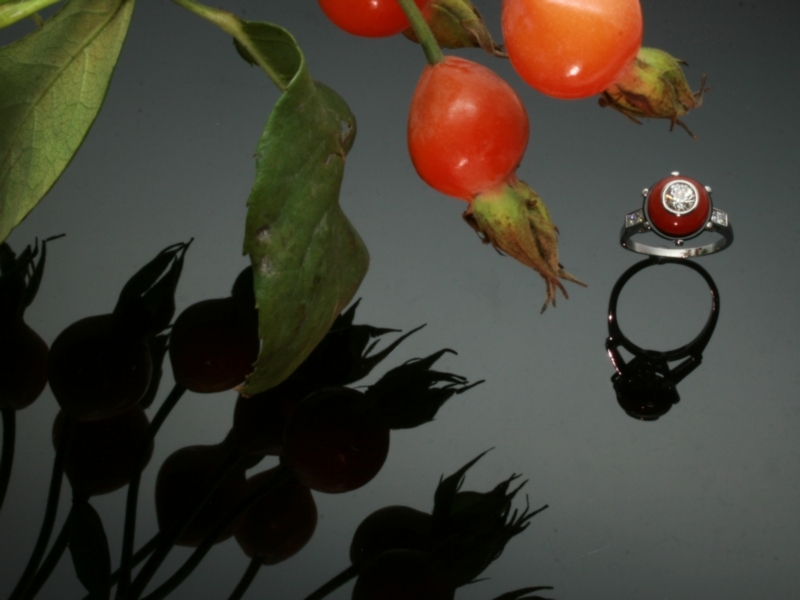
The trees are in their autumn beauty
The woodland paths are dry
Under the October twilight the water
Mirrors a still sky
Upon the brimming water
among the precious stones
Season's doing its yearly duty
bringing us all the autumn color tones.
The Wild Swans at Coole
William Butler Yeats - 1919
(freely adapted)
When I'm feeling blue,
all I have to do,
is take a look at you....
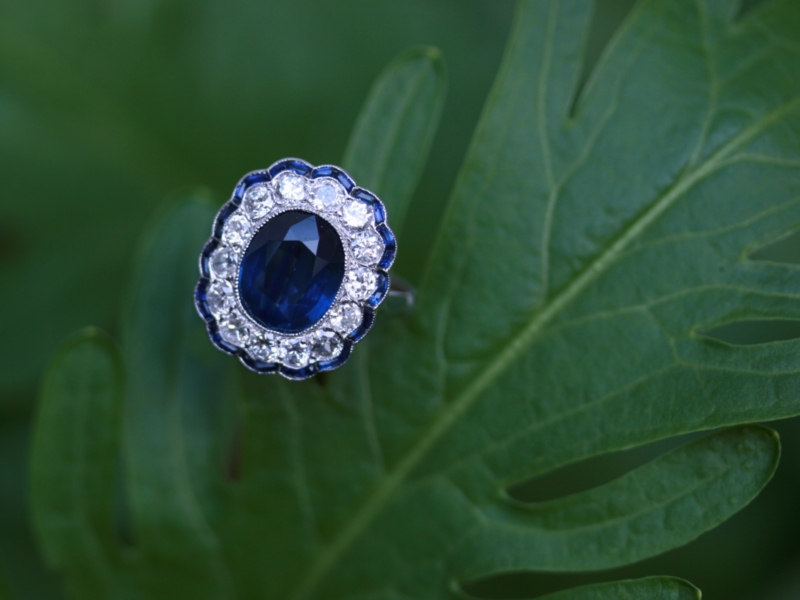 |
.... and then I'm not so blue.
Lalique
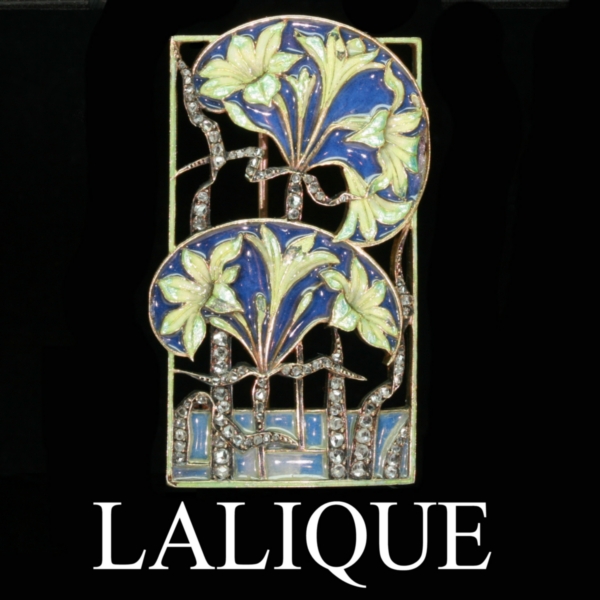 |
Dreams captured into jewelry
René Jules Lalique - The "Rembrandt" among the jewellers was the leading French jewelry designer known for his faboulous creations in the Art Nouveau period.
Lalique created new techniques and highly original designs. He was born at Ay, on the Maine, was apprenticed at 16 to the Parisian silversmith and jeweller, Louis Aucoq, attended art schools in Paris and London, and upon returning to Paris made designs for Aucoq, Cartier, Boucheron and others.
He managed, and in 1886 took over, the workshop of Jules d'Estape. After making, in 1891-1894, several pieces of jewelry for Sarah Bernhardt, he exhibited his work at the 1894 Paris Salon, and was acclaimed for his Art Nouveau jewelry, especially after his success at the Paris Exhibition of 1900 which led to his vogue with royalty and the aristocracy.
As it is almost a must to any self-respecting jewelry collecting museum to own a piece of Lalique jewelry with plique-ajour enamel (the glass stained window effect), most of these pieces disappear into museum collections. Therefore it is very unusual to find Lalique pieces in the trade.
Take me to the candy store !
 (Click here to read more about this ring!) |
Take me to the candy store ! Take me to the candy store ! Take me to the candy store ! Take me to the candy store ! Take me to the candy store ! Take me to the candy store ! Take me to the candy store ! Take me to the candy store !
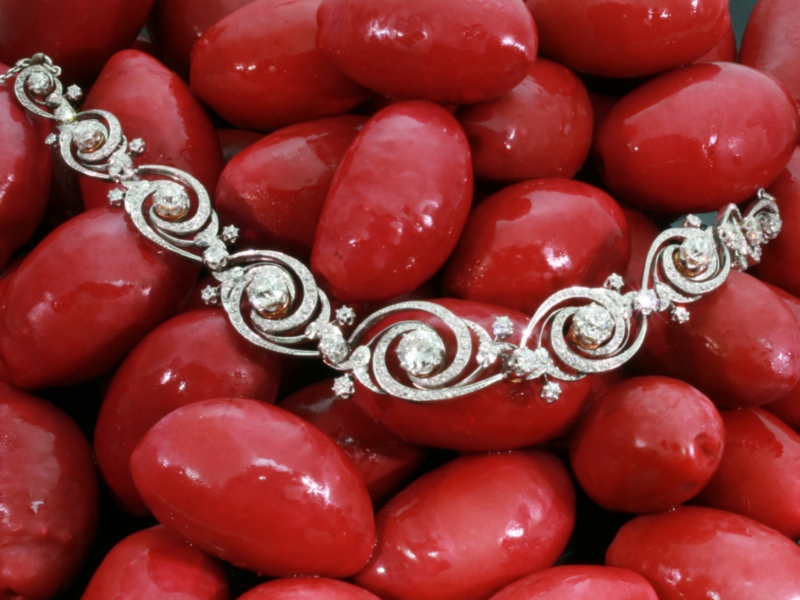
All olives are equal
(but some are more equal than others)
 (Click the picture to read much more about this magnificent piece.) |
One of a kind antique bracelet set with 7.20 carat diamonds and crafted by the illustrious Emile Olive. This very bracelet is depicted in the "Bible of Antique Jewelry" namely Henri Vever's "La Bijouterie Française au XIXe Siècle" (third volume, page 533) and in its English translation "French Jewelry of the Nineteenth Century" (page 1025).
 (Click the picture to read much more about this magnificent piece.) |
Henri Vever writes about Emile Olive:
"Emile Olive (1853-1902) succeeded Le Saché as designer in Falize's firm. An artist of lively intelligence and infinite taste, he spent
thirty years applying body and soul to our beloved art. It is obvious that Olive's gift for geometry was hardly appreciated by his
father, an accountant, since he sent him to work with a cheese and bean seller in Rue de la Verrerie.
Such an environment seemed hardly likely to foster the development of an artistic vocation. However the young man felt such a need to draw and had such a hightly developed sense of decoration that he even found curious ornamental motifs in the stains and fissures of the the old shop walls and in the mould on the cheeses of his employer!"
 (Click the picture to read much more about this magnificent piece.) |
The Belle Époque (French for "Beautiful Era") was a period in European social history that began during the late 19th century and lasted until World War I. Occurring during the time of the French Third Republic and the German Empire, the "Belle Époque" was named in retrospect, when it began to be considered a "golden age" the major powers of Europe, new technologies improved lives and the commercial arts adapted Renaissance and eighteenth-century styles to modern forms. This epoch overlaps the end of what is called the Victorian Era there and the period named the Edwardian Era.
Anybody out there
who doesn't want to have
the heavenly Garden of Adin Blues?
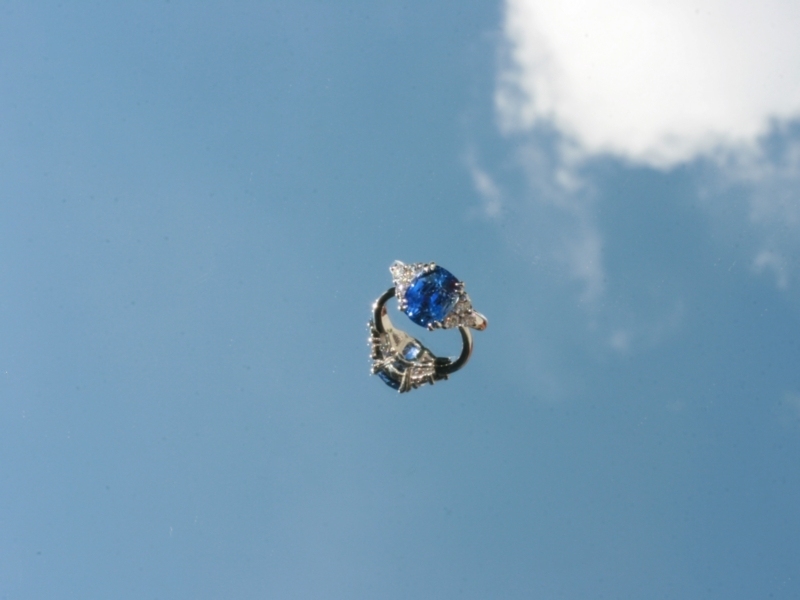 |
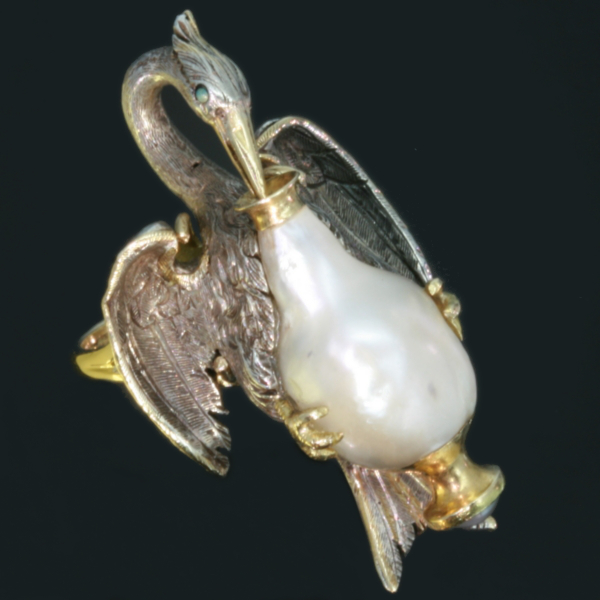
French antique Object d'Art circa 1860
- Inspired by Aesops fable The Stork and the Fox -
Every now and then we run into a piece that is the cherry on our antique jewelry cake. Such is the case with this ring. So much to see, the story behind it, so much to find out about and the pleasure of holding something in your hands showing such high level of craftmanship.... one of the true pleasures in our trade.
We hope you will enjoy looking and learning about this ring as much as we did!
 |
Aesop's fable: "The Stork and the Fox"
At one time the Fox and the Stork were on visiting terms and seemed very good friends. So the Fox invited the Stork to dinner,
and for a joke put nothing before her but some soup in a very shallow dish. This the Fox could easily lap up, but the Stork could only wet the end
of her long bill in it, and left the meal as hungry as when she began.
"I am sorry," said the Fox, "the soup is not to your liking."
"Pray do not apologize," said the Stork. "I hope you will return this visit, and come and dine with me soon."
So a day was appointed when the Fox should visit the Stork; but when they were seated at table all that was for their dinner was contained in a
very long-necked jar with a narrow mouth, in which the Fox could not insert his snout, so all he could manage to do was to lick the outside of the
jar.
"I will not apologize for the dinner," said the Stork:
"One bad turn deserves another."
Micro Mosaic brooch by Castellani
Master Jewellers of the 19th Century
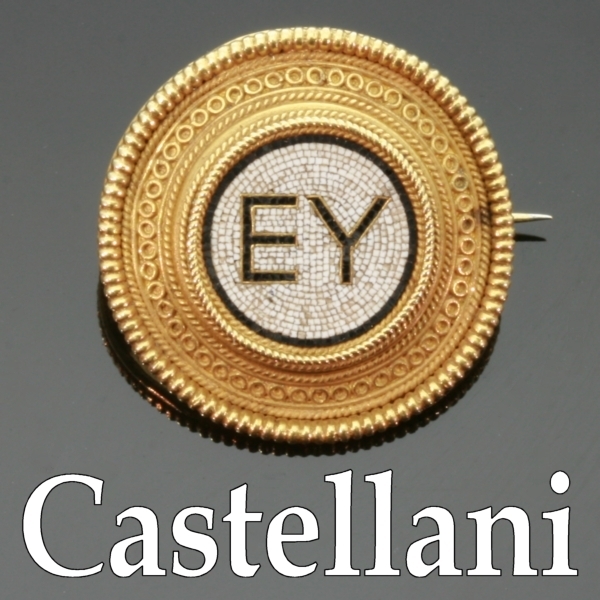 |
Castellani - Castellani's first shop was opened in Rome in the year 1814. Specializing in recreating jewelry of ancient craftsmen, particularly the Etruscans, his work became fashionable and much wanted in 19th Century Europe and America. The Castellani shop had the aristocracy and the so-called grand tourists as customers.
Many of the designs of Castellani's jewelry is based on archaeological evidence and often incorporated cameos, intaglios and micromosaics (like the one pictured) into his jewelry. The Castellani dynasty spanned three generations and nowadays Castellani is one of the big names in antique jewelry that is most sought for and very rare to find.
Although not obvious on first sight, these are not Latin but Greek letters. The letters EY stand for "good health" but one could also say it's the abbreviation for "Eternally Yours".
New rose species discovered
in The Garden of Adin !
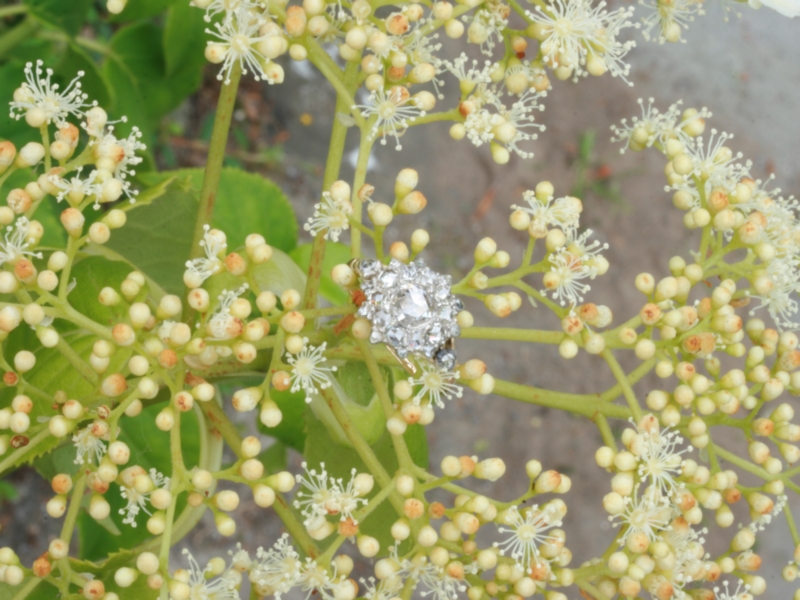 |
Antwerp, Belgium - For years, it has been rumoured that the Garden of Adin might shelter some interesting flora. This hearsay panned out last month, when an interesting flower was discovered. The mystery plant was taken to Mr. Elkan Wijnberg, chief botanist of The Garden of Adin's Academy of Sciences.
To all surprise, the shrub turned out to be a new rose species of Rosa Antigua, a genus in the rose cut family. Detailed examination of the rose, as well as the discovery of more wild populations in The Garden of Adin this month, confirmed that it was indeed a distinct new species of Rosa Antigua, Wijnberg says.
To celebrate the finding of these new rose species an intense-sparkle exhibition has been opened.
Hide and Seek
in The Garden Of Adin
 |
Adin, a wealth of jewelry and information
Art Nouveau (French for New Style) is an international movement and style of art, architecture and applied art - especially the decorative arts - that peaked in popularity at the turn of the 20th century (1890–1905).
The name "Art Nouveau" is French for "new art". It is also known as Jugendstil, German for "youth style", named after the magazine Jugend, which promoted it, and in Italy, Stile Liberty from the department store in London, Liberty & Co., which popularised the style, and in Holland as “Sla-olie-stijl”, Dutch for “salad oil style” after a advertisement poster for this product that was made in that style.
A reaction to academic art of the 19th century, it is characterized by organic, especially floral and other plant-inspired motifs, as well as highly stylized, flowing curvilinear forms. Art Nouveau is an approach to design according to which artists should work on everything from architecture to furniture, making art part of everyday life. Although Art Nouveau fell out of favour with the arrival of 20th-century modernist styles, it is seen today as an important bridge between the historicism of Neoclassicism and modernism.
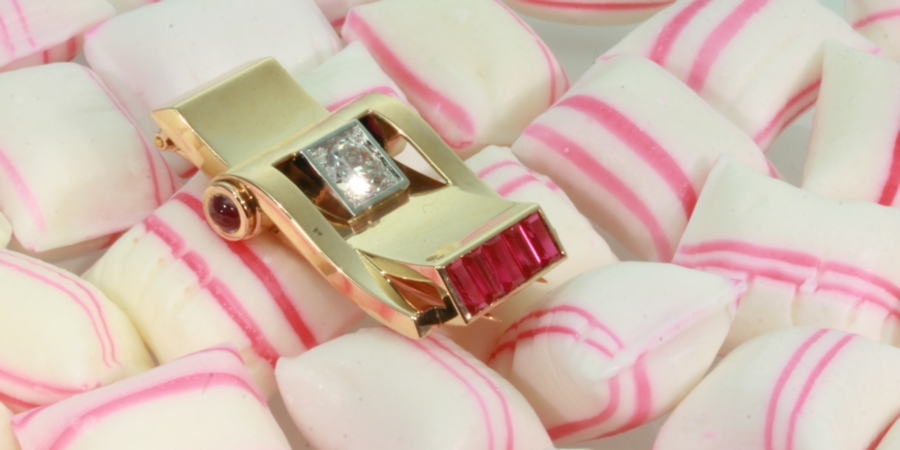
Adin's Vintage Candy Store presents:
More sweet Retro eye candy!
 |
Adin's Vintage Candy Store presents:
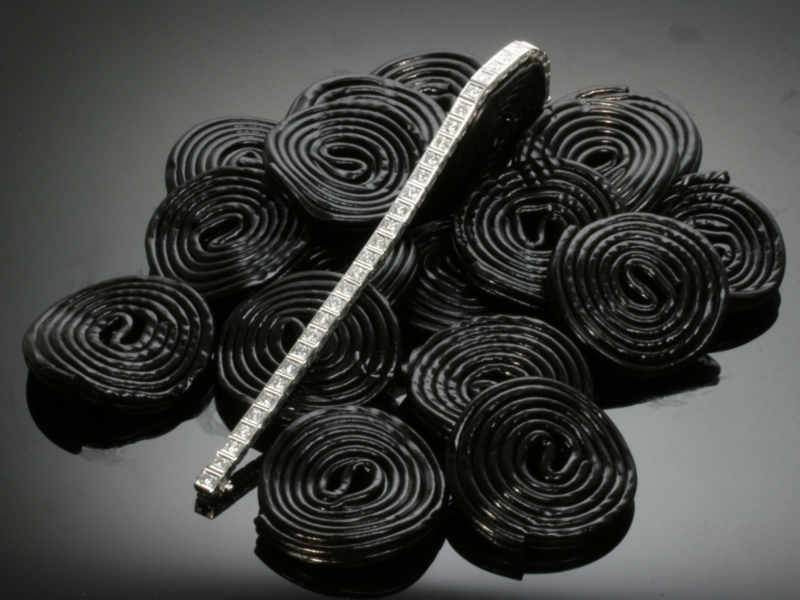
Sweet liquorish from the fifties!
 |
Mother's day 2012
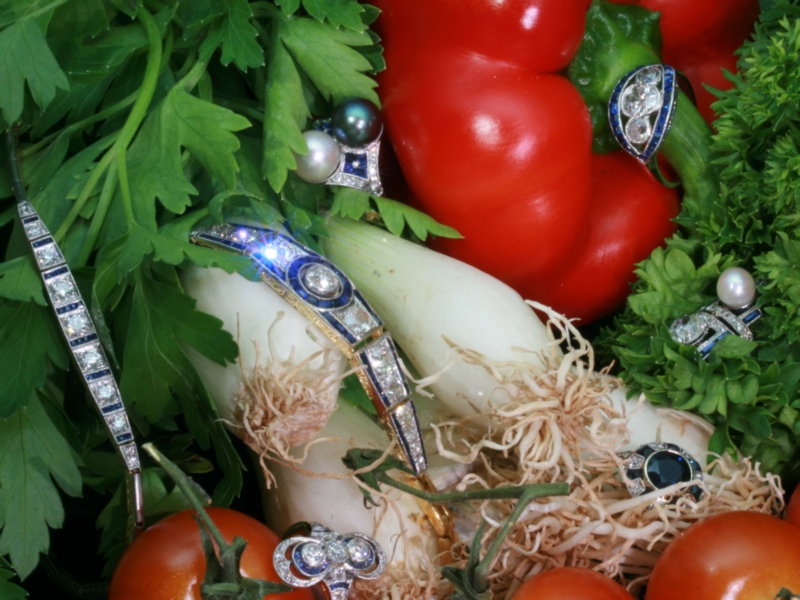
Go for the bare necessities!
 |
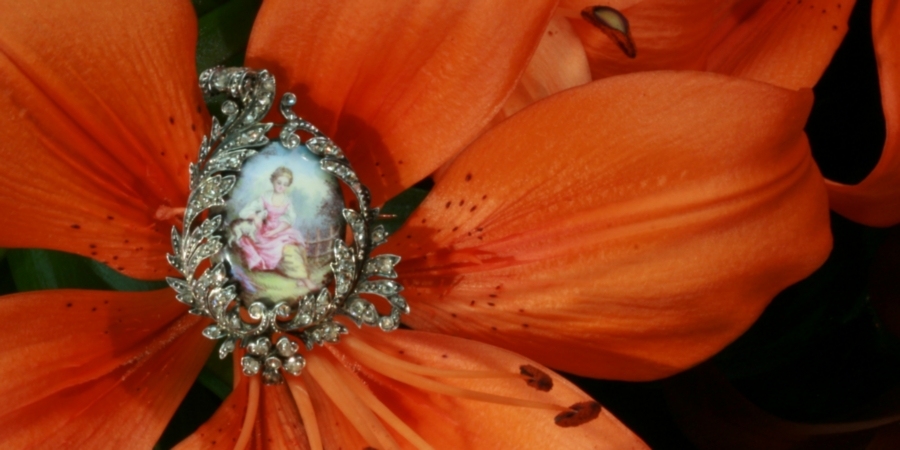
Romantic Victorian Jewelry
in The Garden of Adin
 |
Adin, a wealth of jewelry and information
Originally the term "Victorian jewelry" was designated for articles of jewelry made in the United Kingdom during the reign of Queen Victoria, but not all of the many varieties produced during her long reign, 1837-1901, are now generally classified as Victorian jewelry. These days in the international antique jewelry trade the pieces now called Victorian jewelry are not necessarily made in the United Kingdom. The term "Victorian Jewelry" became a term used for European jewelry made in the 19th century rather then the description of a certain style-movement in a specific country.
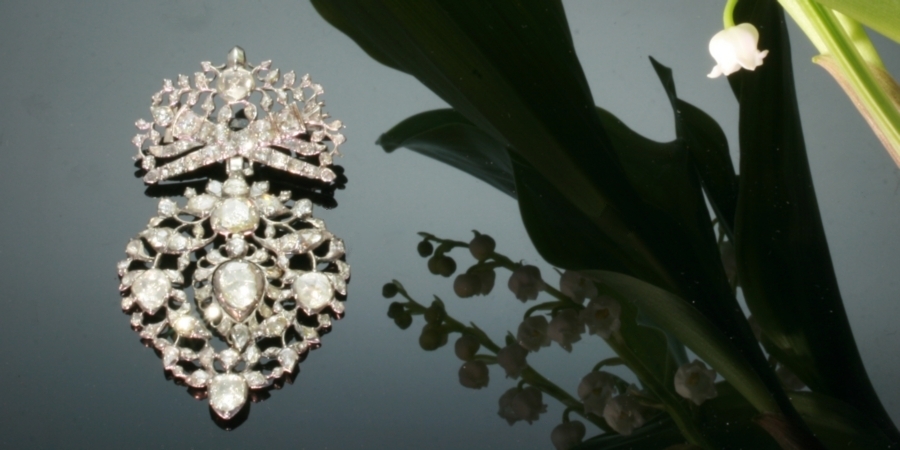
Symbolic Love jewelry
in The Garden of Adin
 |
Adin, a wealth of jewelry and information
One of the most peculiar and wide spread Flemish pieces of regional jewelry is a diamond heart pendant, the so-called "Vlaams hart" (Dutch for “Flemish heart"). These hearts were fashionable in the 19th century and mostly made in gold backed silver (see also the silver on gold technique). A Flemish heart is a heart shaped field set with rose cut diamonds and/or senelles hanging under a crowning.
There are two sorts of crownings possible:
1) The crowing is a crown and then it is build up from horizontal, diamond embellished, tendrils that are resting on a smooth surfaced ajour cut band with flattened little rhombic bars. The tendrils from the top incline slightly
over this ajour cut band towards the actual cross emphasizing the unity of the jewel.
2) The crowing as love trophy. A collection of four elements, a torch and quiver that are crossing each other, a bow that is horizontal mingled with them and all held together by a laurel. The slightly upwards direction of both ends of the bow refers to the St. Andrew's cross. Torch, quiver and bow are typical attributes to Amor (Eros) and the laurel refers to the triumph of love. This combination was already in use with the old Greek and Romans and later of course in the Renaissance and had a enormous success in France in the Louis XVI period (1774-1793).
It's a new dawn, it's a new day
and I'm feeling good....
in The Garden of Adin
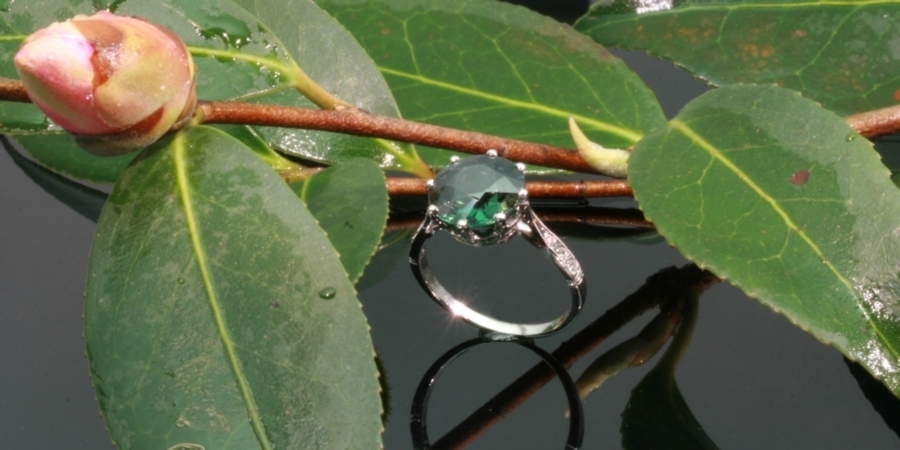 |
Adin, a wealth of jewelry and information
The first lab-produced gem stones were already made in the 19th Century ! Auguste Victor Louis Verneuil was a French chemist (1856-1913). He invented a type of blowpipe (chalumeau) with which he was the first to lab produce rubies. This process is also sometimes referred to as 'flame fusion'. His results were published in 1904. The apparatus is still used today (sometimes in banks of several hundred units) to make synthetic varieties of corundum and other synthetic gemstones.
Hide and Seek
in The Garden Of Adin
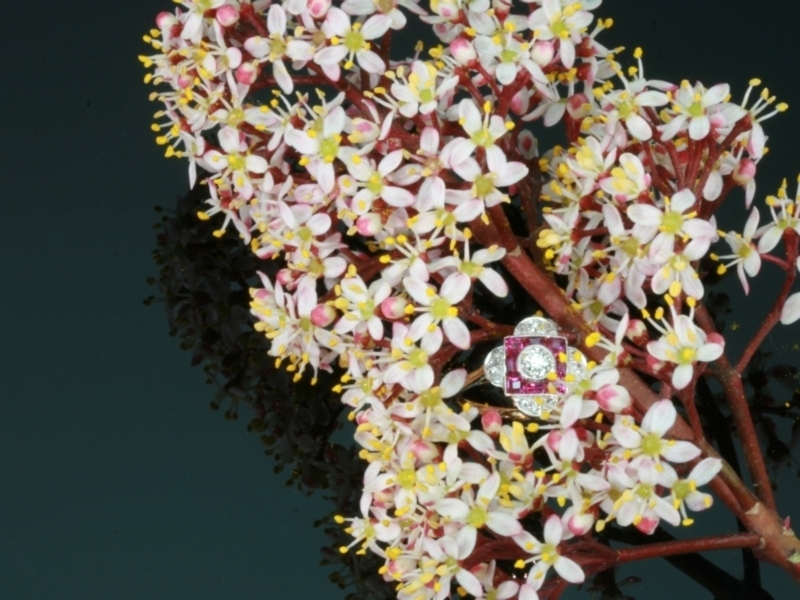 |
Adin, a wealth of jewelry and information
Art Deco is an eclectic artistic and design style which had its origins in Paris in the first decades of the 20th century. The style originated in the 1920s and continued to be employed until after World War II. The term "art deco" first saw wide use after an exhibition in 1966, referring to the 1925 Exposition Internationale des Arts Décoratifs et Industriels Modernes that was the culmination of high-end style moderne in Paris. Led by the best designers in the decorative arts such as fashion, and interior design, Art Deco affected all areas of design throughout the 1920s and 1930s, including architecture and industrial design, as well as the visual arts such as painting, the graphic arts and film. At the time, this style was seen as elegant, glamorous, functional and modern.
Citrine Sunrise Splendour
at The Garden Of Adin
 |
Petty pretty jewelry trivia
Quartz is the second-most-abundant mineral in the Earth's continental crust with many different varieties, one of them called Citrine. The color of Citrine ranges from a pale yellow to brown. Because natural citrines are extremely rare, most commercial citrines are heat-treated amethyst. The name Citrine is derived from Latin citrina which means "yellow" and the Irish word for quartz is "grian cloch", which means "stone of the sun".
Plum Blossoms and other beauties
in The Garden Of Adin
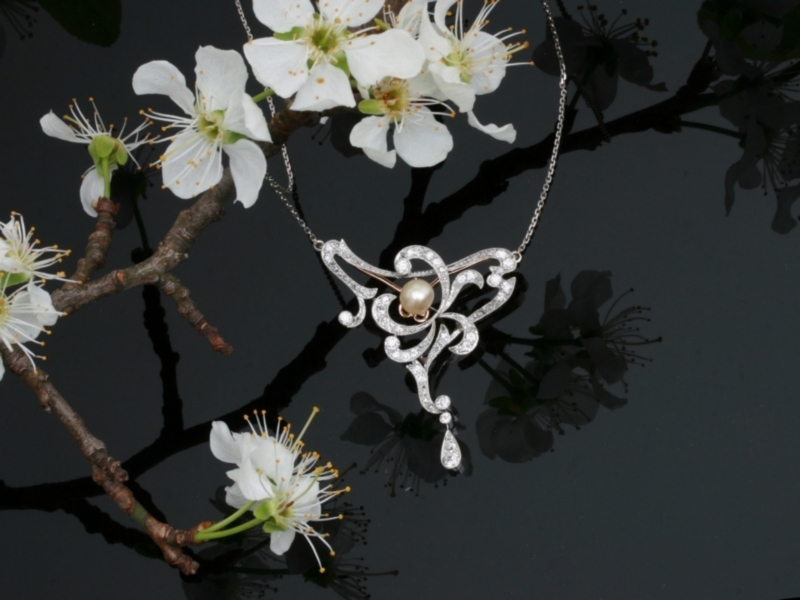 |
Plum Blossom Jewelry
When everything has faded they alone shine forth,
encroaching the charms of lesser styles...
Freely rendered from an old Chinese poem "Plum Blossoms".
(read also our explanation on Art Nouveau Jewellery)
The Adin's Antique Jewelry Candy Store Presents:
Eye candy for your sweet heart...
 |
You read it here first! Antique Jewelry Candy Store giant Adin claims to be the first retailer to launch a new variety of antique jewelry eye candy in its stores today. We can imagine there will be a queue of enthusiasts for these sweet jewels. Adin's clinical researcher in the field of sweeteners used in the antique jewelry trade, Mr. Elkan Wijnberg, told us that they are being marketed as "for those with a sweet heart, tooth or eye".
The Adin's Antique Jewelry Candy Store Presents:
Upgraded jelly beans
 |
The difference between ladies and girls, is the price of their pearls...
The Adin's Antique Jewelry Candy Store Presents:
Adin's Original Sweet Retro Jewelry™
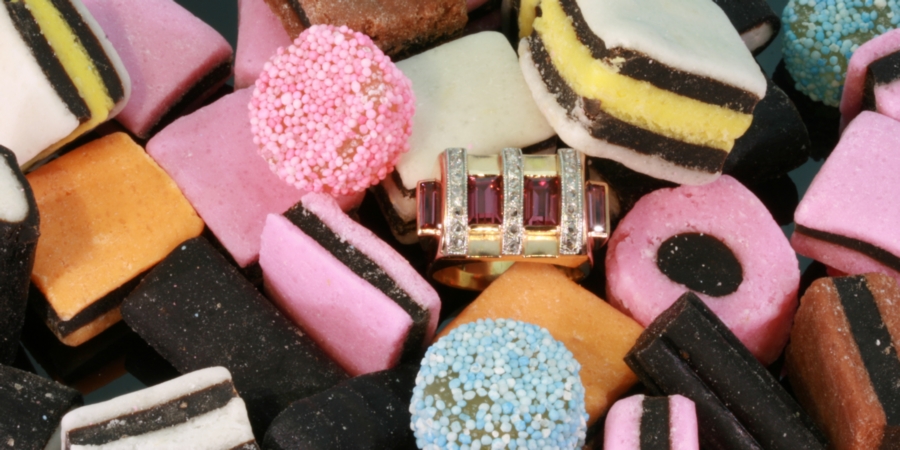 |
Welcome to Adin's Sweet Retro Jewelry Shop. Who doesn't remember Willy Wonka Whirly Pop Lollipops, Cola Cubes, Wham Bars, Popping Candy & Liquorice Roots? And when thinking about these retro sweets, why not continue thinking about other retro sweets like Adin's Original Sweet Retro Jewelry™?
Adin has a huge selection of original sweet antique jewelry, including a large collection of Original Sweet Retro Jewelry™. If you're looking for a special gift for someone, take a look at our Retro Sweets, they're guaranteed to be a hit for birthdays, anniversaries or as a gift, just out of love.
The Adin's Antique Jewelry Candy Store Presents:
Dental advise on Adin sweets.
 |
Generations of dentists have been advising their patients to not take sweets. Not surprisingly, such advice was rarely followed. Realistic advice is, therefore, to recommend toothfriendly alternatives - sweets that are safe for teeth, such as Adin's sweet antique jewelry. If you control the quantity, you can satisfy your sweet craving every day. "Everyone should allow themselves a daily treat because there is no reason why antique jewelry can't fit into a healthy diet" says Adin's nutrition expert, Mr. Elkan Wijnberg.
The Adin's Antique Jewelry Candy Store Presents:
Non Fattening Eye Candy
 |
Does sweet make you fat? For years, popular diet books assured the masses that a low-fat diet was the key to weight loss. They were right…and wrong. "Our research shows that it's calorie density and not the sweetness that determines if people gain weight," says Elkan Wijnberg of the Adin Antique Jewelry Candy Store. For over 30 years, Adin offered people its non-calorie antique jewelry and still holds its claim that no one ever fattened from wearing its sweet antique jewelry.
I wandered lonely as a cloud
through the Garden of Adin
 |
That floats on high Adin vales and hills,
When all at once I saw a crowd,
A host of diamond daffodils;
Beside the lake, beneath the trees,
Fluttering and dancing in the breeze.
(freely rendered)
Sorry dear...
it's going to be another frugal Christmas this year
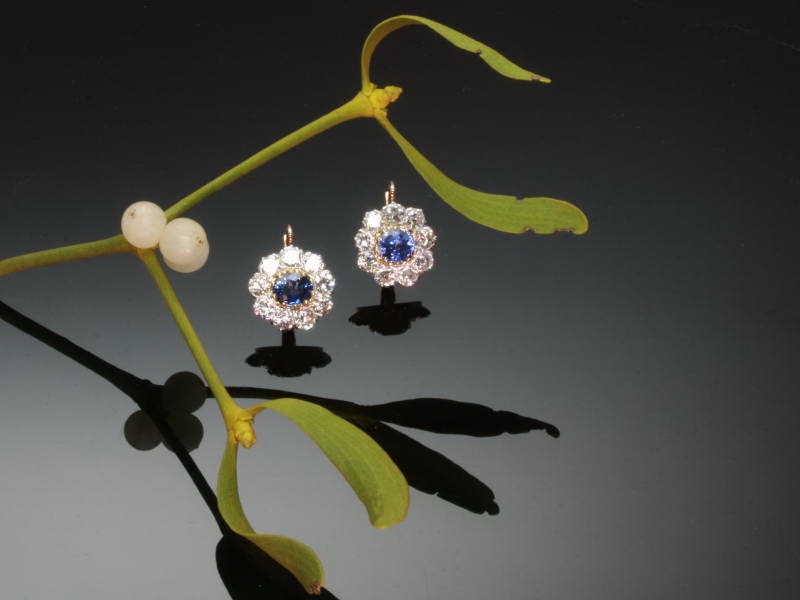 |
"I spent all our Christmas decoration budget
on these beautiful earrings for you...
I hope you don't mind?"
Rubies are red my love,
sapphires are blue-hue-hue
Dear {Voornaam},
This will be the last mail of a serie of three without the usual weekly cute special picture or back-ground information. Don't worry this will be as much "hard marketing" as you can expect from us in a whole year. Rest assured that it will take another year before we will brag again about all those beautiful pieces of antique and estate jewelry that can be bought online from us and that it will take only about 2 or 3 working days from the moment of buying to the moment it is delivered at your doorstep.
This week's theme is to draw your attention to the fact that you can choose by color on our site. No more "What's that blue stone called again?" or "What can I wear that matches my red dress?" ... now, in the header of our site, you can simply choose the color you are looking for and you'll be shown all our jewelry with that specific color in it.
We also would like to inform you that all orders till December 21st are still in time to be delivered before Christmas and that all orders will be specially packed in a free gift wrapping.
antiqually yours,
The Adin team
Antique and estate jewelry with something red
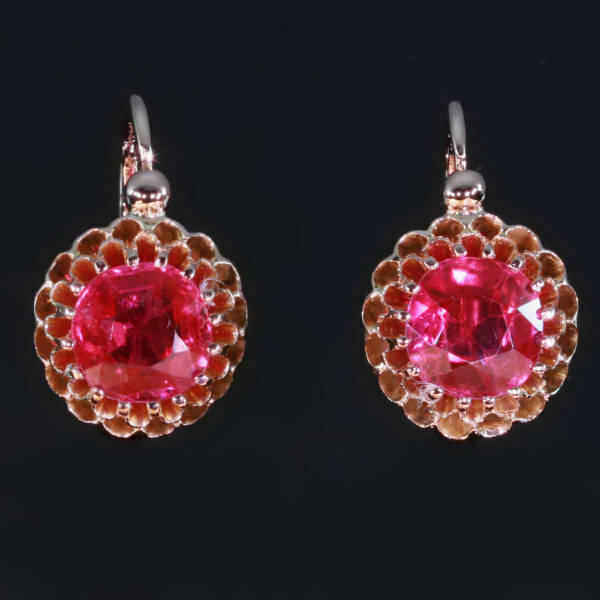 with red up to $2,000 |
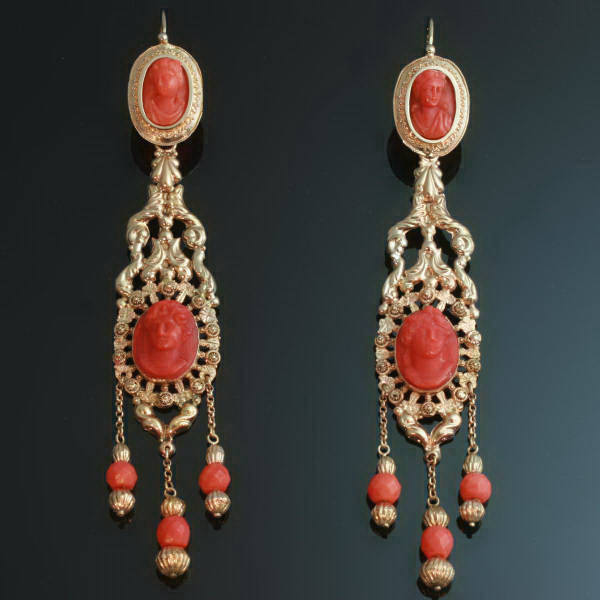 with red up to $7,000 |
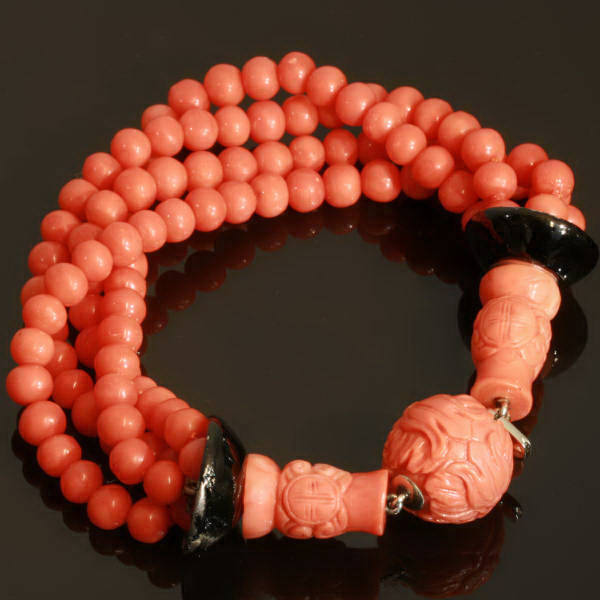 with red up to $15,000 |
 with red $15,000 + |
 all red jewelry |
Antique and estate jewelry with something blue
 with blue up to $2,000 |
 with blue up to $7,000 |
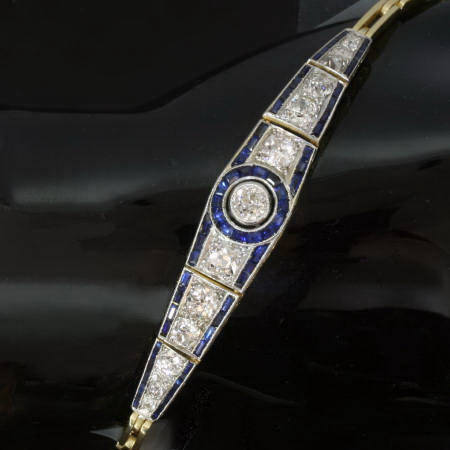 with blue up to $15,000 |
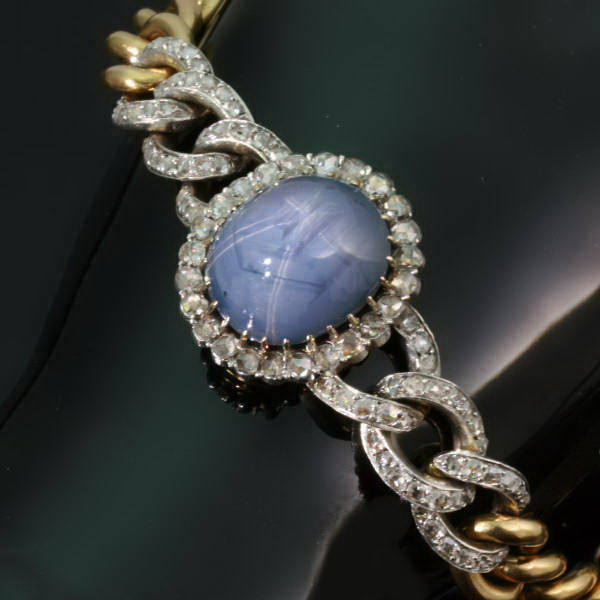 with blue $15,000 + |
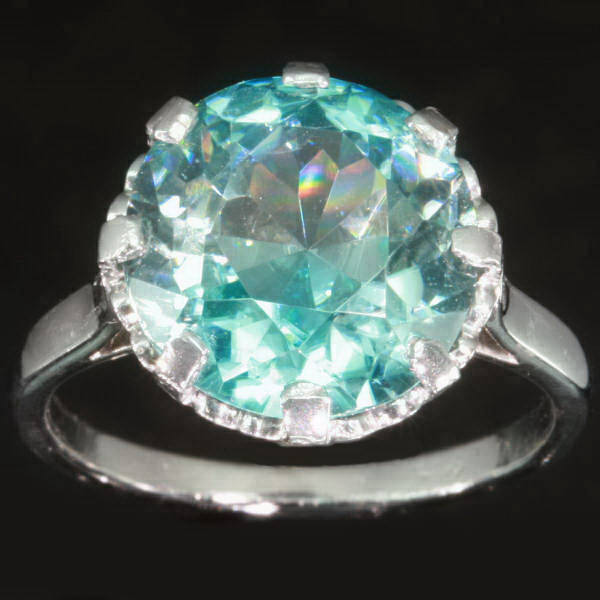 all blue jewelry |
Antique and estate jewelry with something green
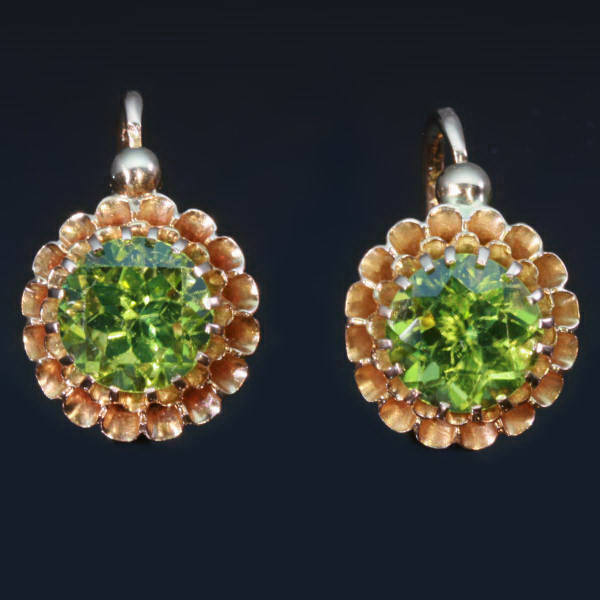 with green up to $2,000 |
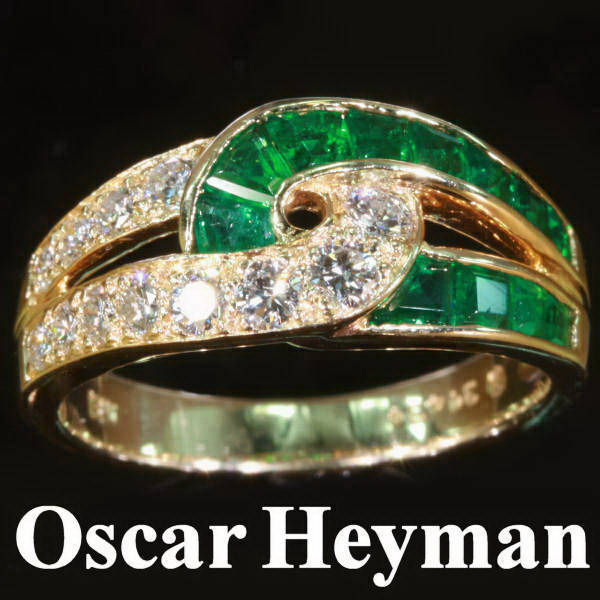 with green up to $7,000 |
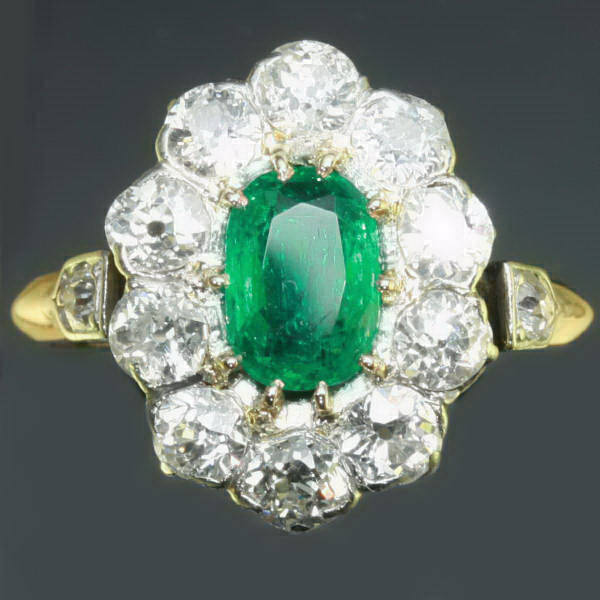 with green up to $15,000 |
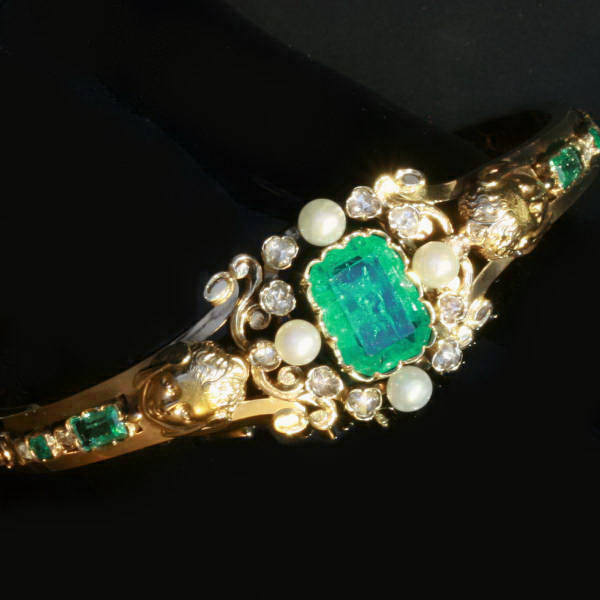 with green $15,000 + |
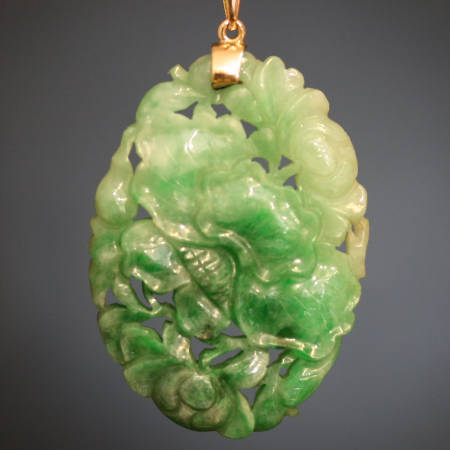 all green jewelry |
Antique and estate jewelry with something yellow
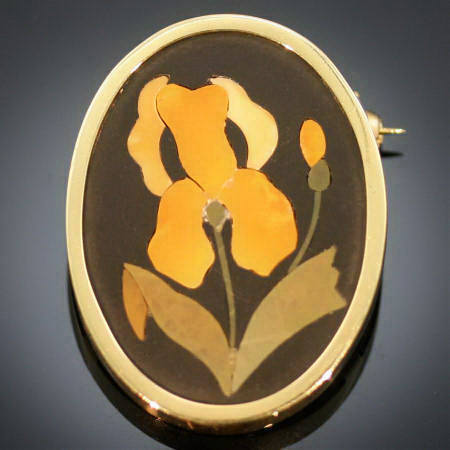 with yellow up to $2,000 |
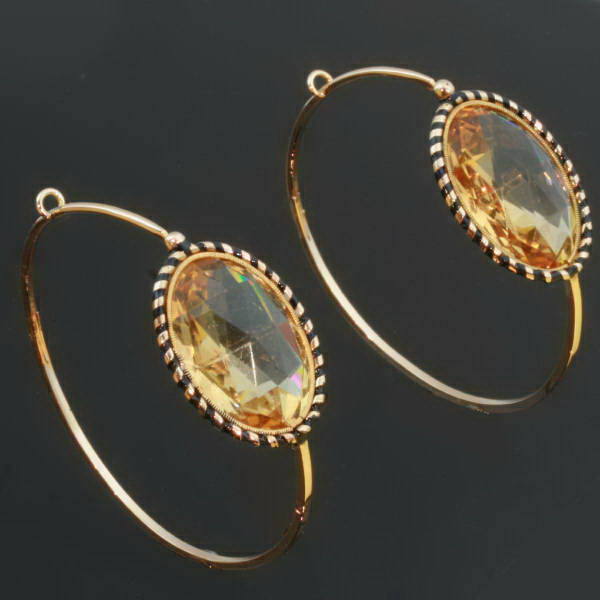 with yellow up to $7,000 |
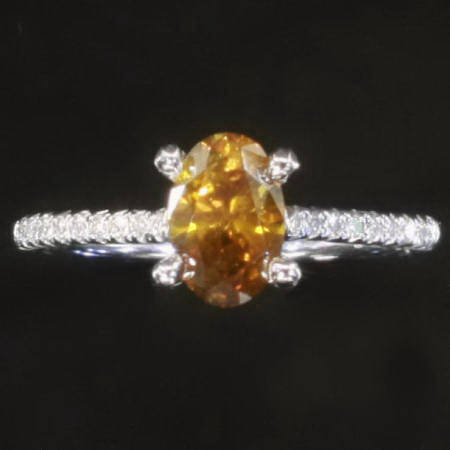 with yellow up to $15,000 |
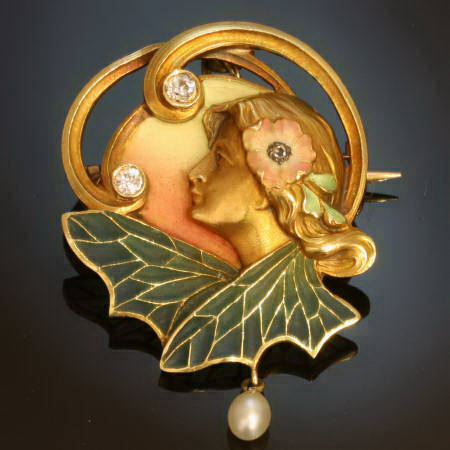 with yellow $15,000 + |
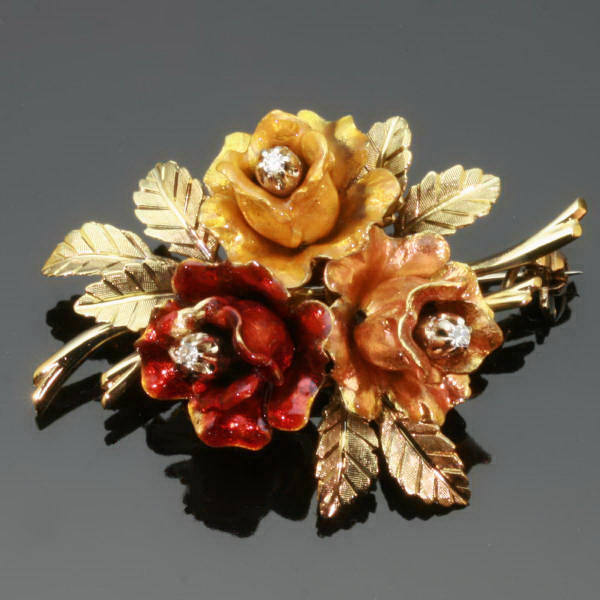 all yellow jewelry |
Antique and estate jewelry with something black
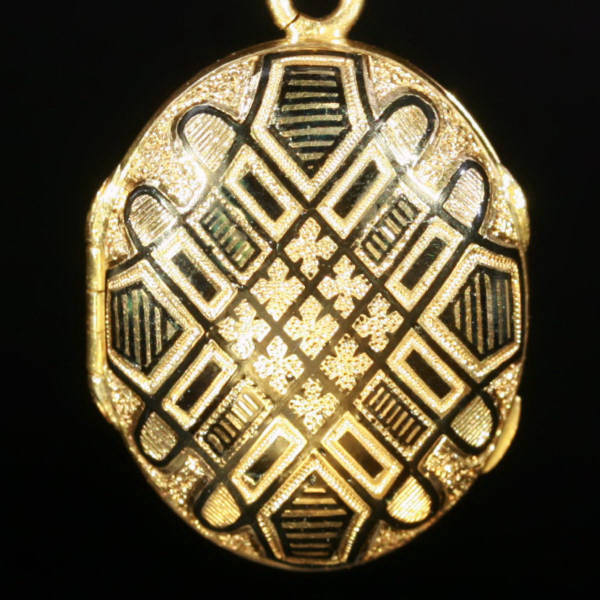 with black up to $2,000 |
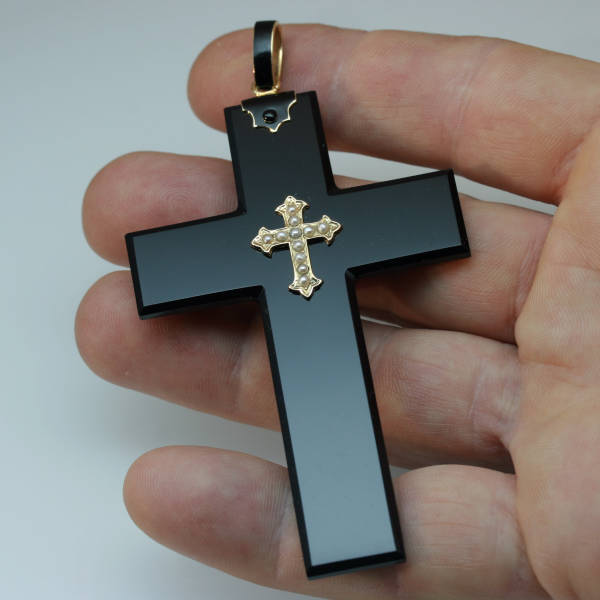 with black up to $7,000 |
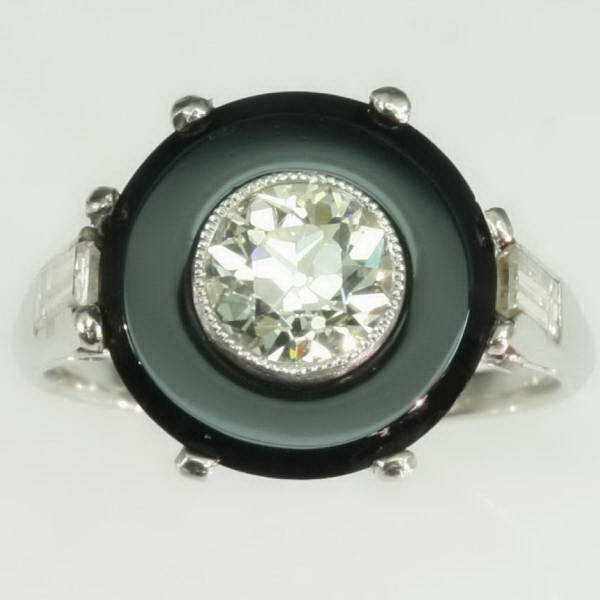 with black up to $15,000 |
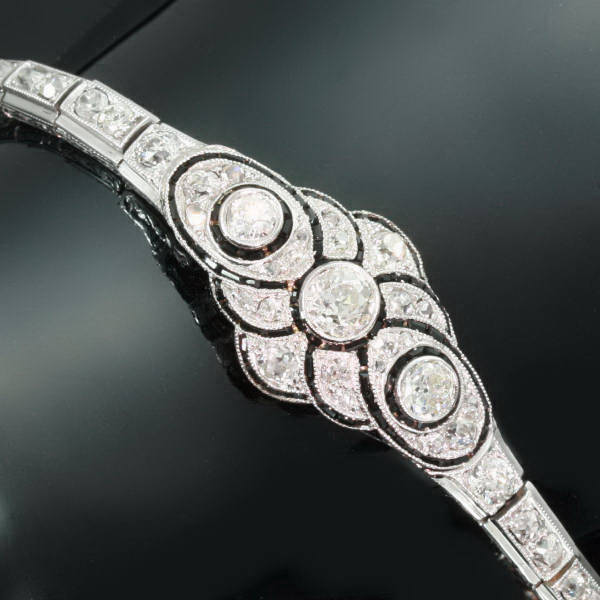 with black $15,000 + |
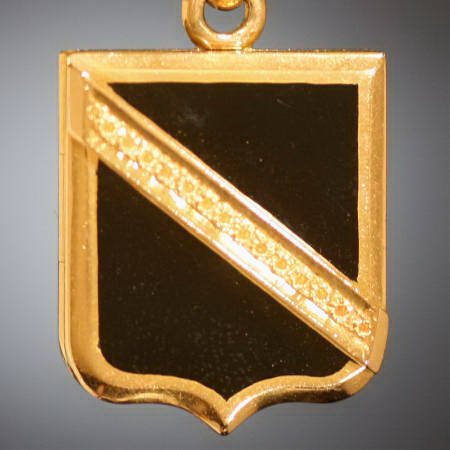 all black jewelry |
Exclusive Victorian Jewelry (1830-1900)
present suggestions part two
This time we would like to get your attention for an era that everybody heard about but perhaps would like to know a little bit more about: The Victorian era. Originally the term "Victorian jewelry" was designated for articles of jewelry made in the United Kingdom during the reign of Queen Victoria, but not all of the many varieties produced during her long reign, 1837-1901, are now generally classified as Victorian jewelry.
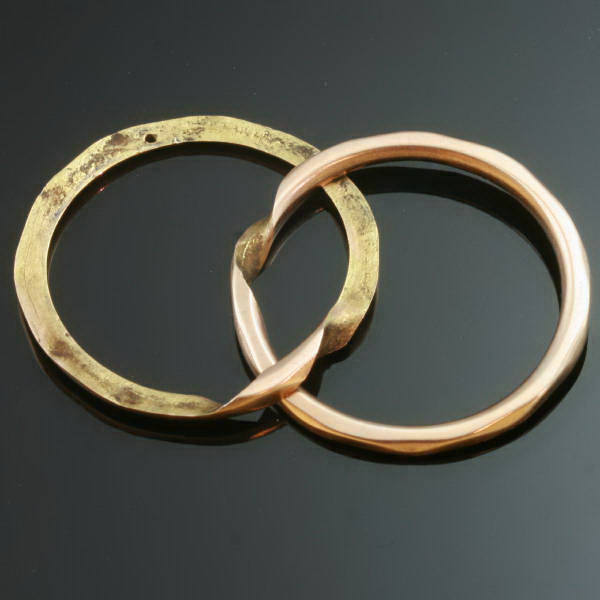 rings up to $700 |
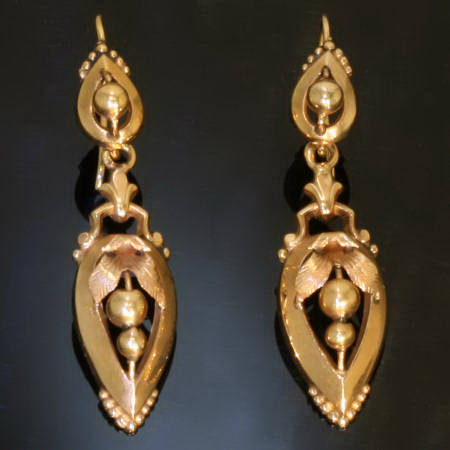 earrings up to $700 |
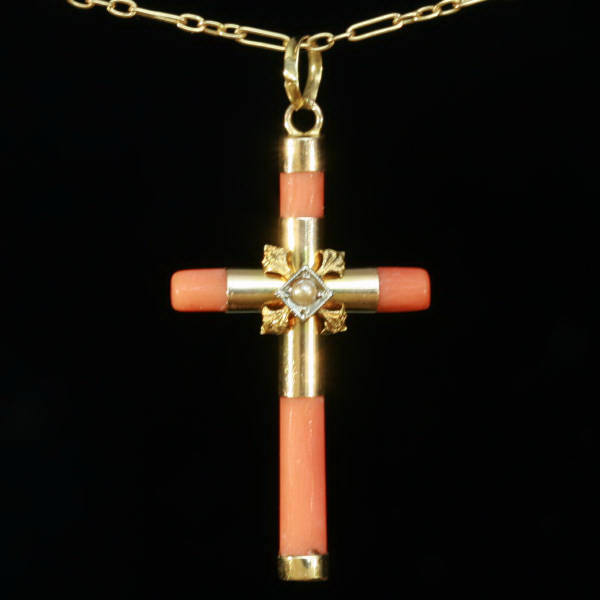 pendants up to $700 |
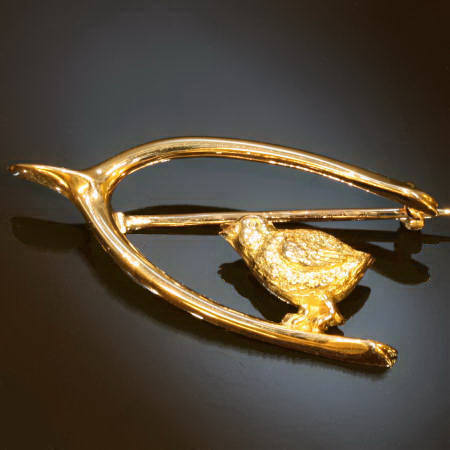 brooches up to $700 |
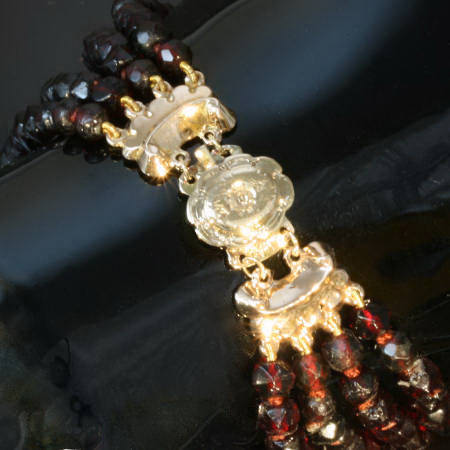 all jewelry up to $700 |
These days in the international antique jewelry trade the pieces now called Victorian jewelry are not necessarily made in the United Kingdom. The term "Victorian Jewelry" became a term used for European jewelry made in the 19th century rather then the description of a certain style-movement in a specific country.
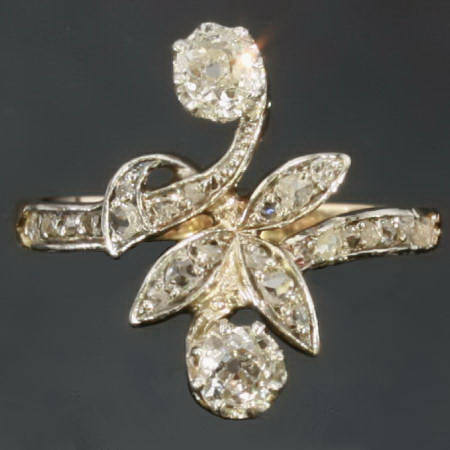 rings up to $2,000 |
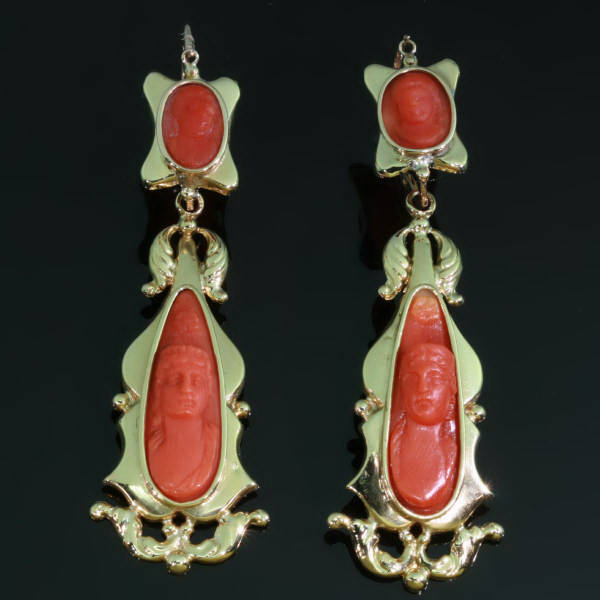 earrings up to $2,000 |
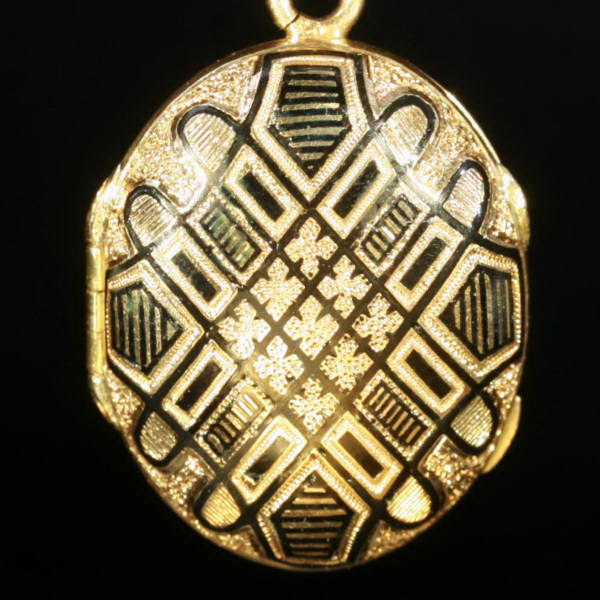 pendants up to $2,000 |
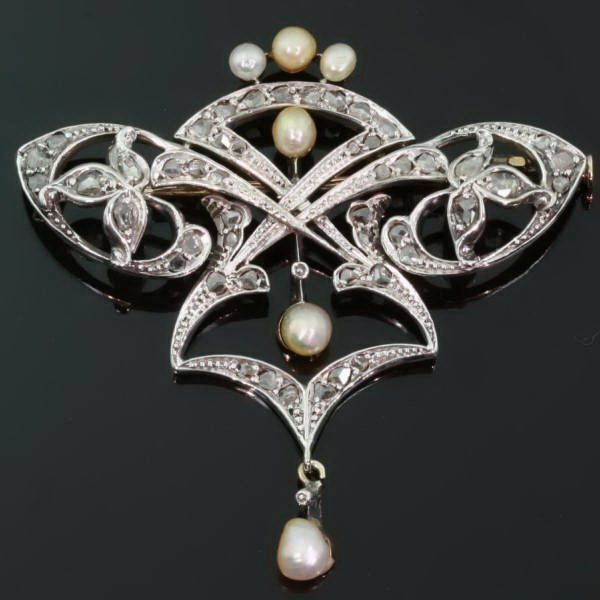 brooches up to $2,000 |
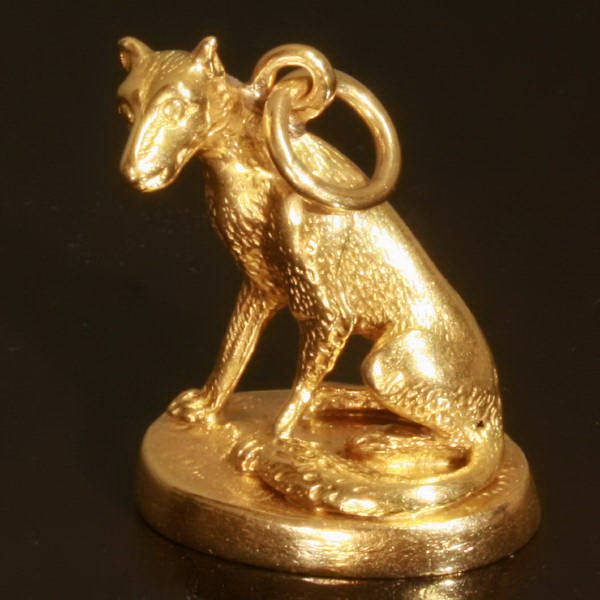 all jewelry up to $2,000 |
The Victorian era began in 1837 when a young Victoria ascended the throne of England. It ended over sixty years later when Queen Victoria died in 1901. During the early years of Victoria's reign, some jewelry was made in Gothic and Renaissance styles. The jewels of the period were often accented with seed pearls and coral. The middle period saw the vogue for ostentatious jewels decorated with the greatly increased supply of pearls and South African diamonds.
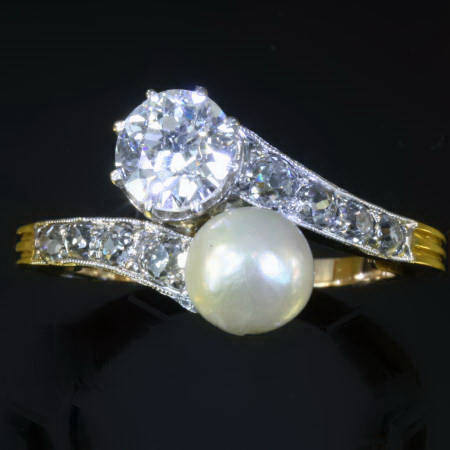 rings up to $7,000 |
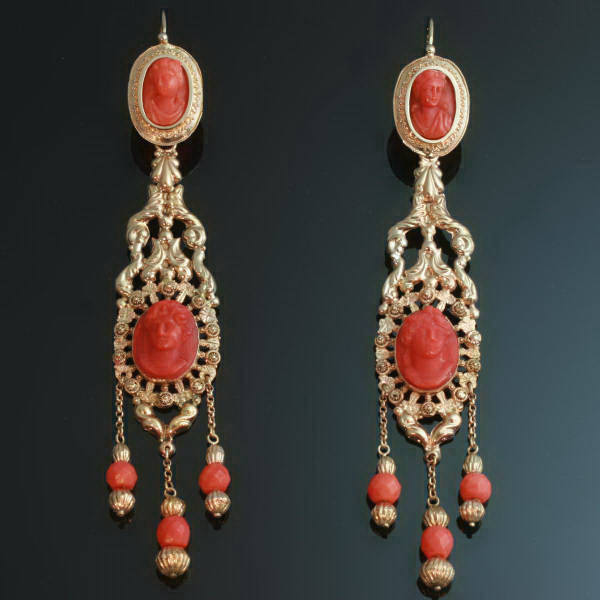 earrings up to $7,000 |
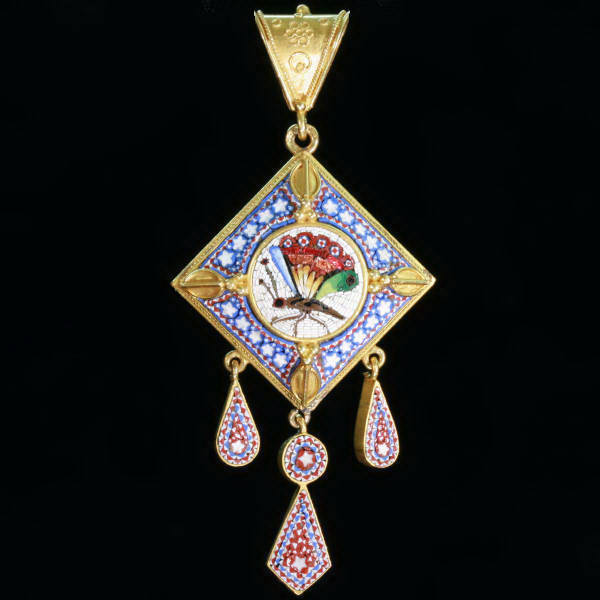 pendants up to $7,000 |
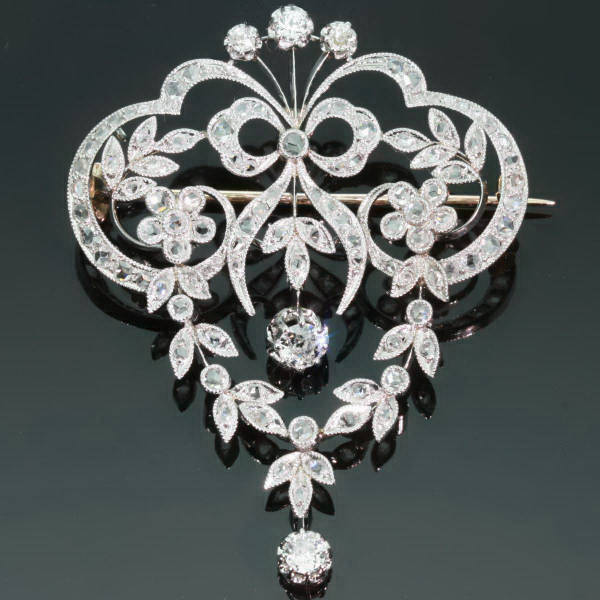 brooches up to $7,000 |
 all jewelry up to $7,000 |
After the death of Prince Albert, 1861, mourning jewelry came greatly in fashion. Jewelry became darker with more somber tones. Dark onyx and deep red garnets set in gold jewels with black enamel tracery are a typical example of this period.
 rings up to $10,000 |
 earrings up to $15,000 |
 pendants up to $15,000 |
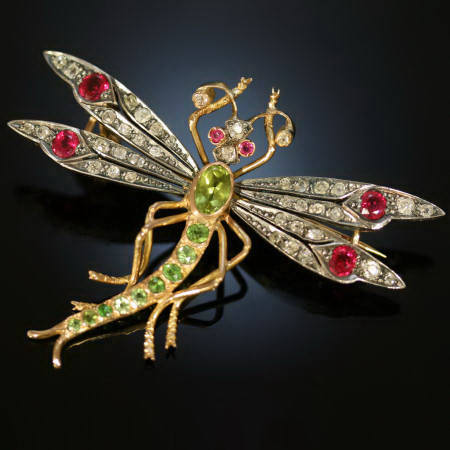 brooches up to $15,000 |
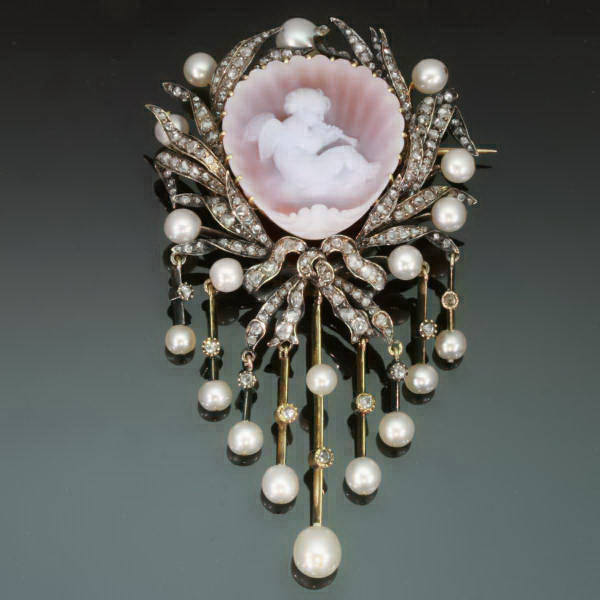 all jewelry up to $15,000 |
The 19th century saw a revival of interest in archaeological and historical jewelry, influenced by the excavations at Pompeii and the high-quality reproductions made by the Castellanis, Carlo Guiliano,and Gicinto Melillo, and the work of John Brogden. Much Jewelry was brought back by travellers as souvenirs, especially from India and Japan from c. 1850, and this was imitated in England during the 1860s to the 1880s.
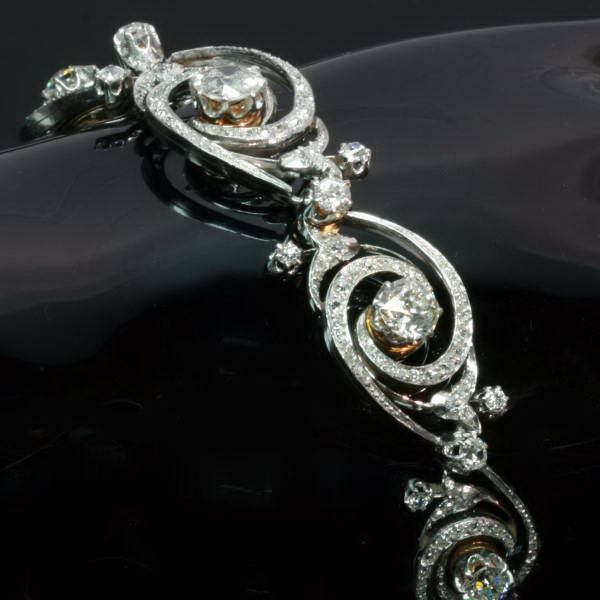 Victorian $15,000 + |
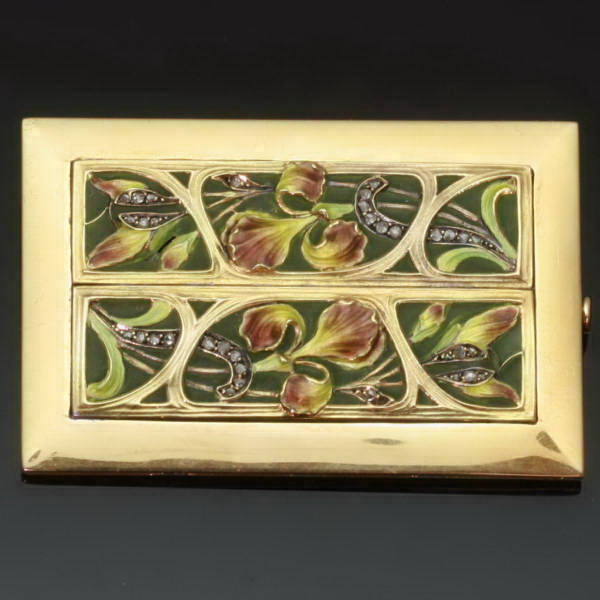 Art-Nouveau $15,000 + |
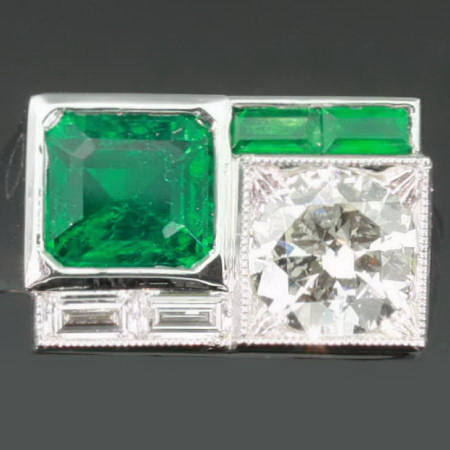 Art-Deco $15,000 + |
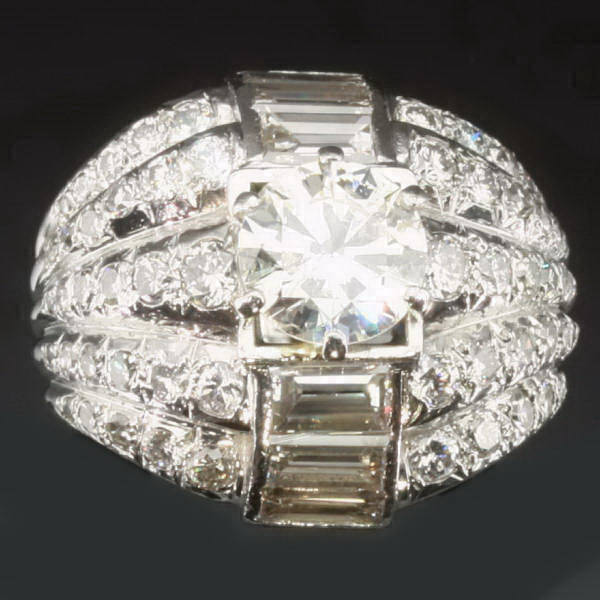 Estate $15,000 + |
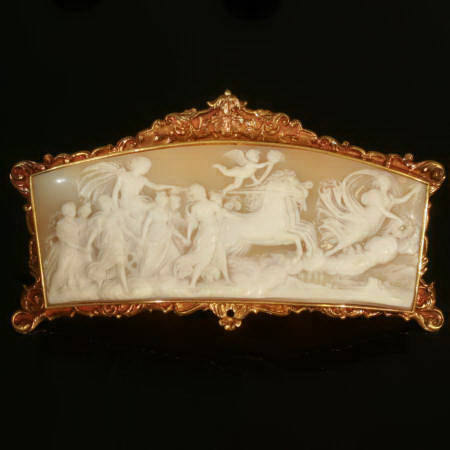 all jewelry $15,000 + |
Suggestions for
Thoughtful and Exclusive Presents
(part 1)
Dear fellow antique and estate jewelry afficionado,
Eleven months a year we try to amuse you with a weekly cute antique jewelry related mail. However, this time we take the liberty of sending you a mail (the first of a serie of three) without any special picture or back-ground information on symbolism, style or era. This will be just a list of present suggestions.
Don't worry, these three mails (spread over three weeks) will be as much "hard marketing" as you can expect from us in a whole year. Rest assured that it will take another year before we will brag again about all those beautiful pieces of antique and estate jewelry that can be bought online from us and that it will take only about 2 or 3 working days from the moment of buying to the moment it is delivered at your doorstep.
antiqually yours,
The Adin team
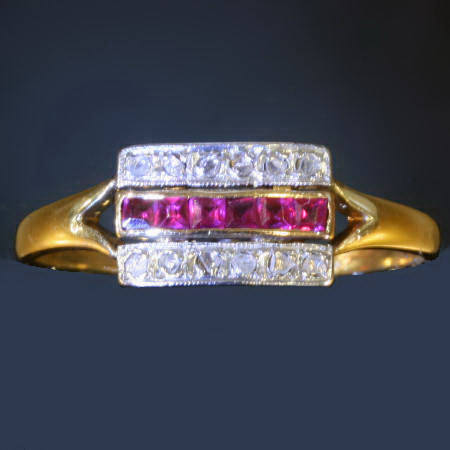 rings up to $700 |
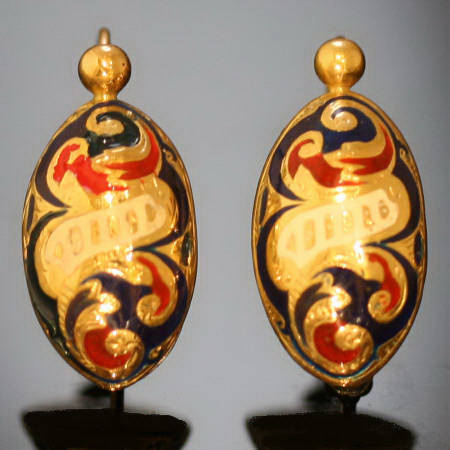 earrings up to $700 |
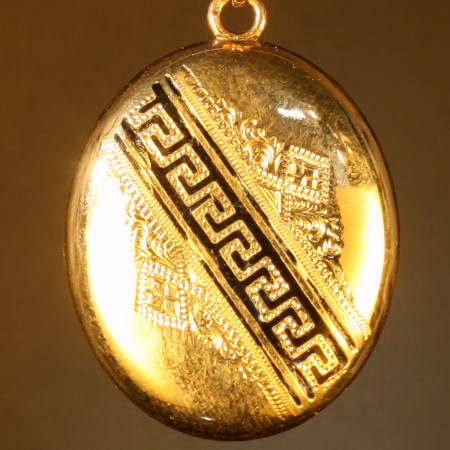 pendants up to $700 |
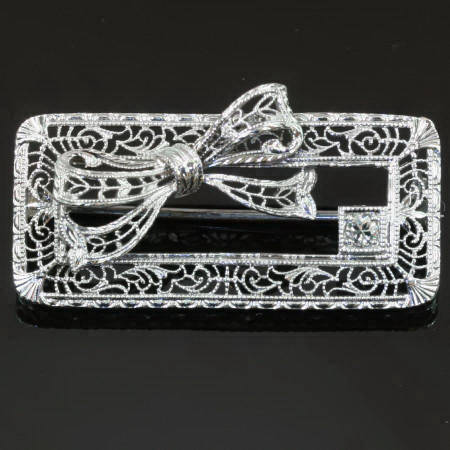 brooches up to $700 |
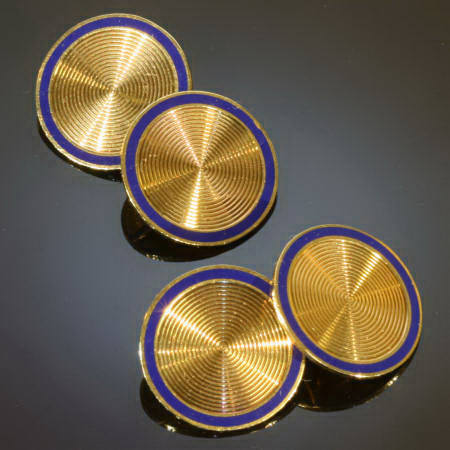 all jewelry up to $700 |
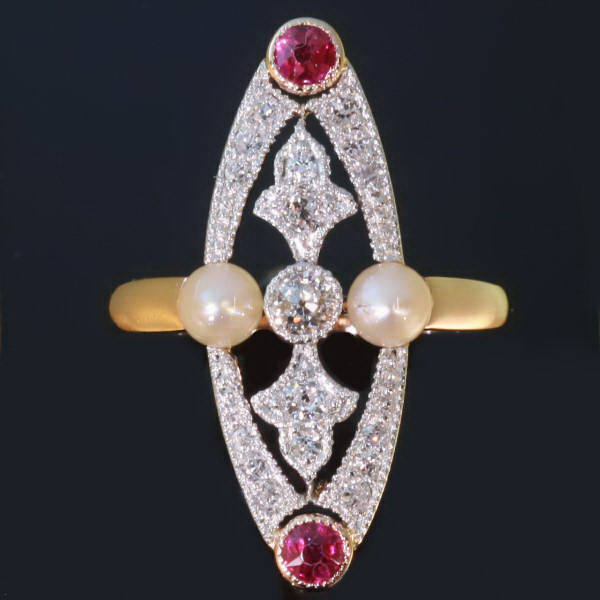 rings up to $2,000 |
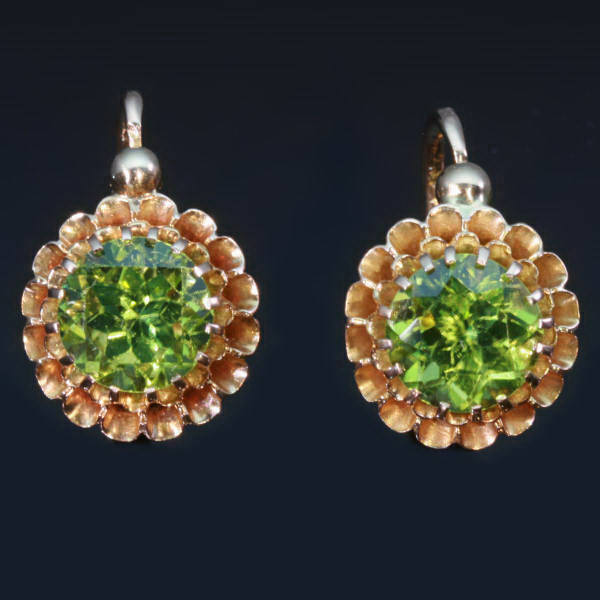 earrings up to $2,000 |
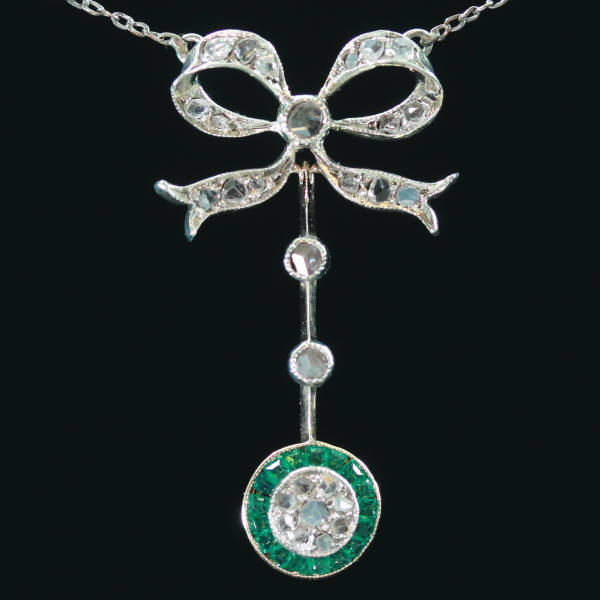 pendants up to $2,000 |
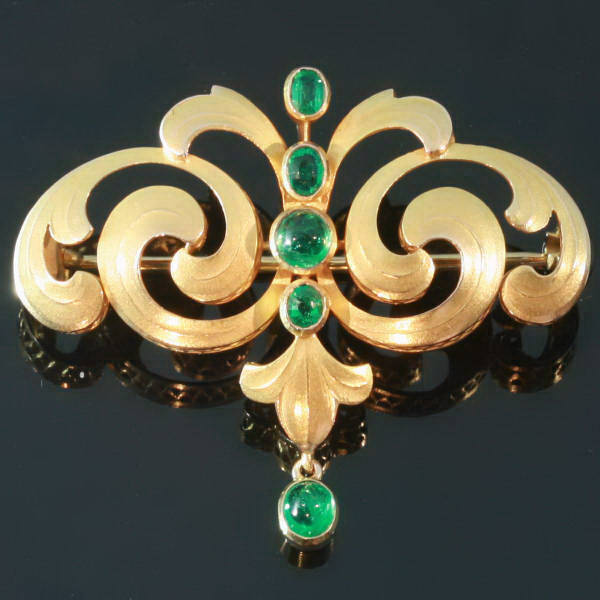 brooches up to $2,000 |
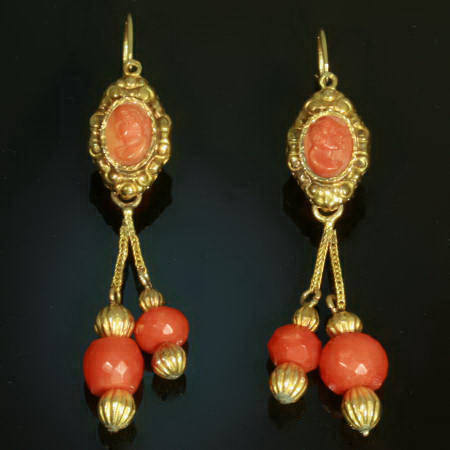 all jewelry up to $2,000 |
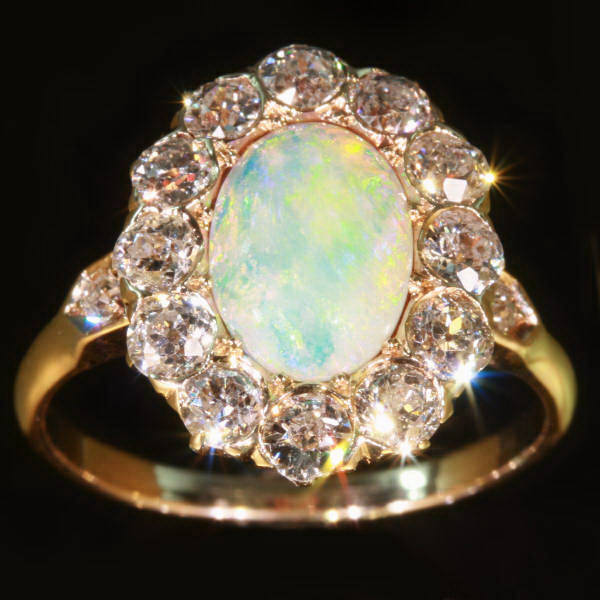 rings up to $7,000 |
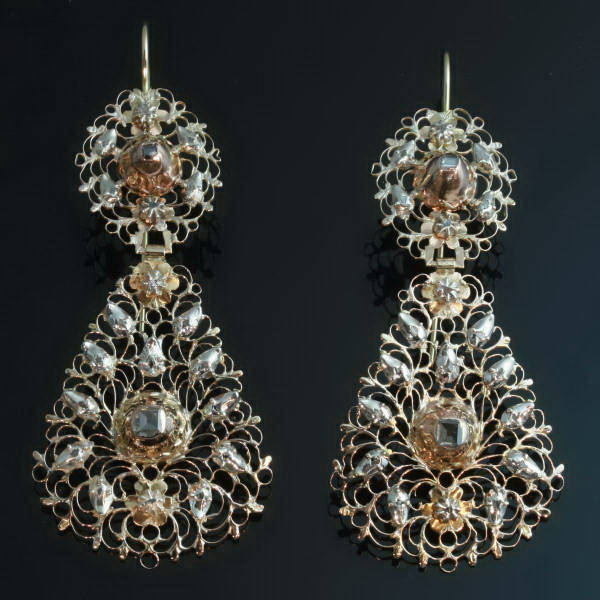 earrings up to $7,000 |
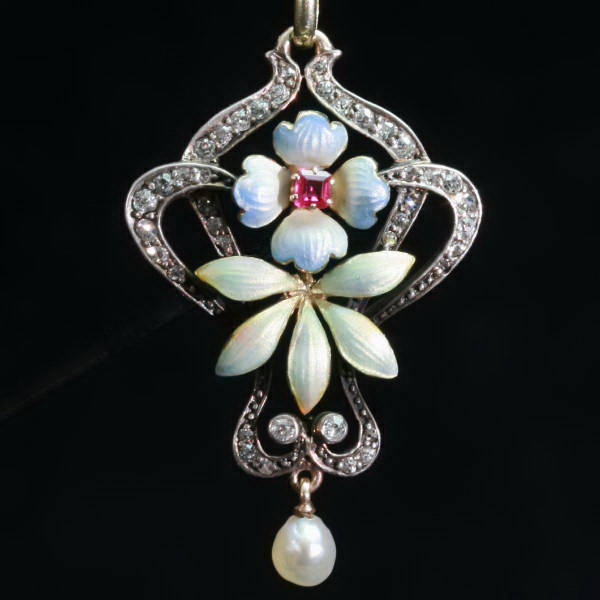 pendants up to $7,000 |
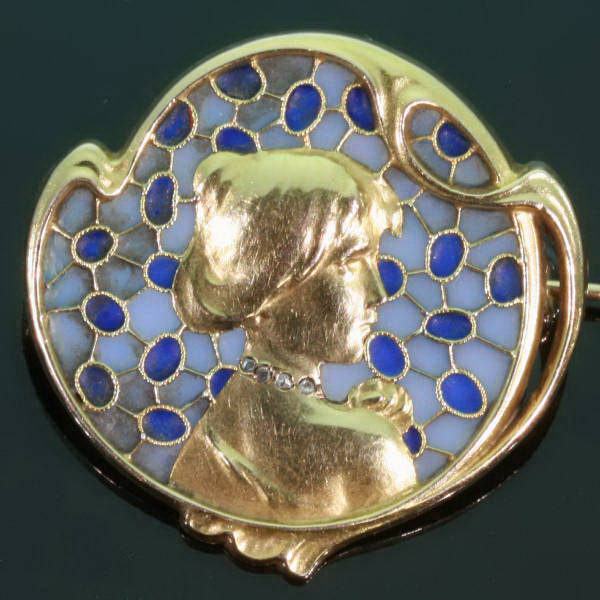 brooches up to $7,000 |
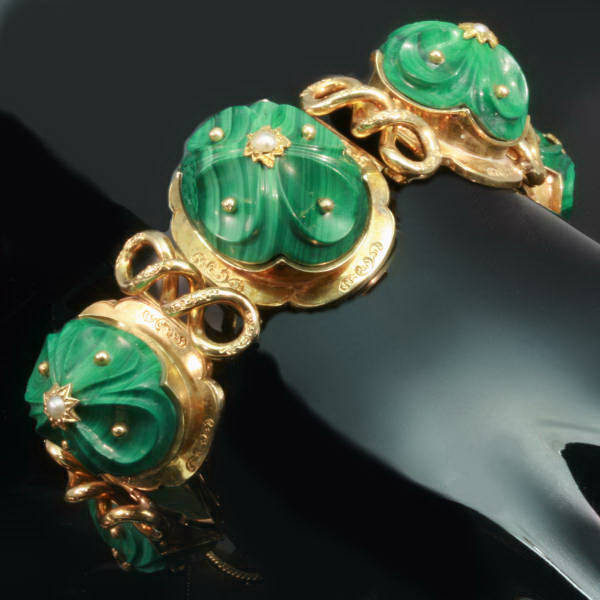 all jewelry up to $7,000 |
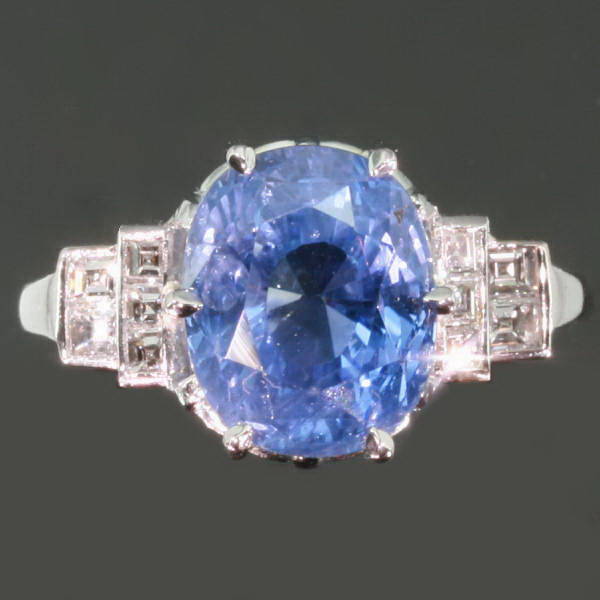 rings up to $15,000 |
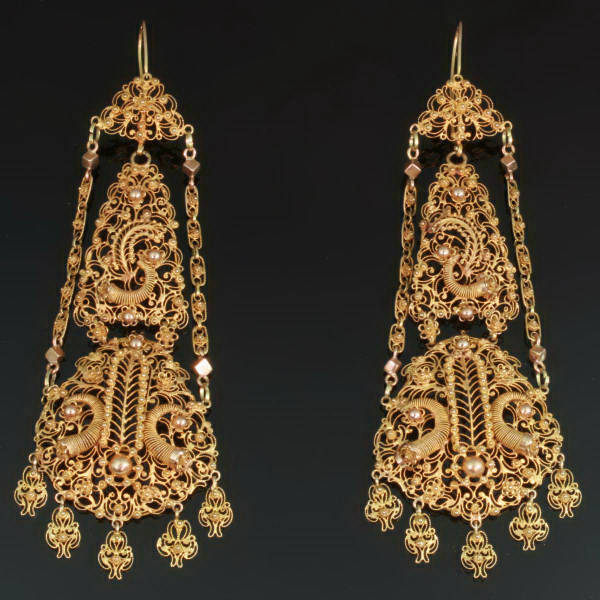 earrings up to $15,000 |
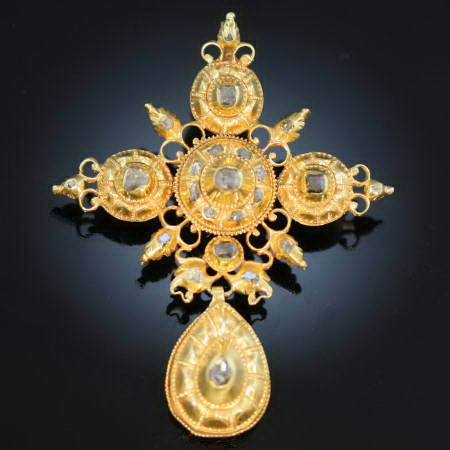 pendants up to $15,000 |
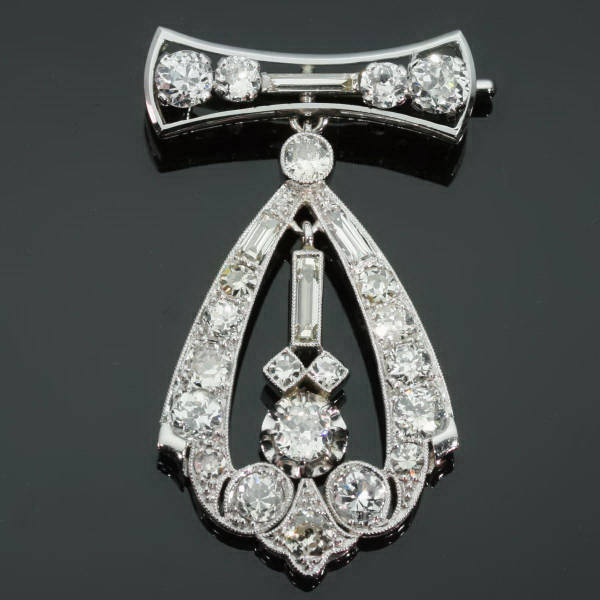 brooches up to $15,000 |
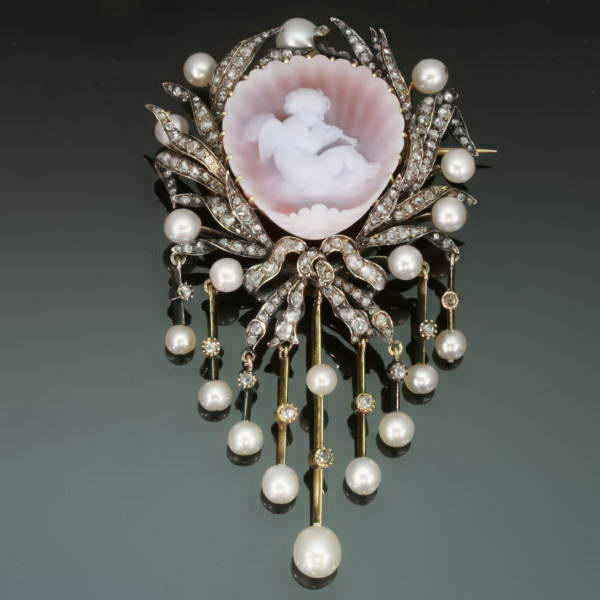 all jewelry up to $15,000 |
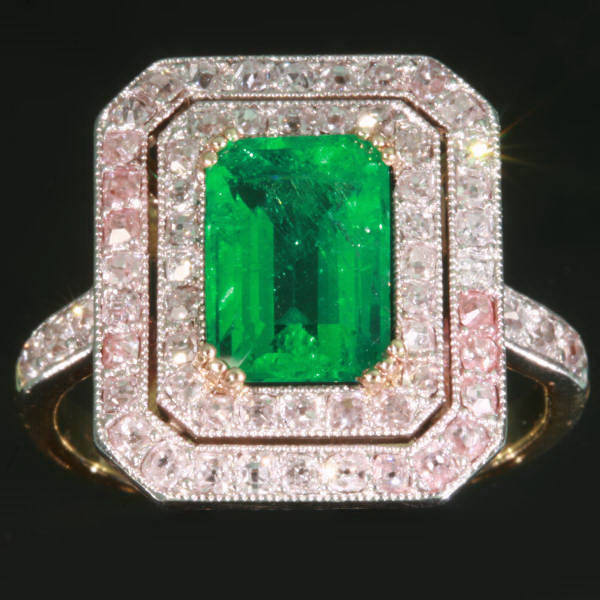 rings $15,000 + |
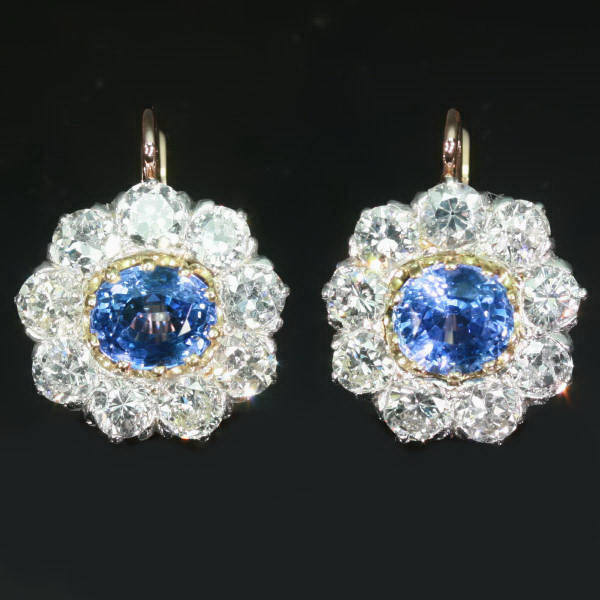 earrings $15,000 + |
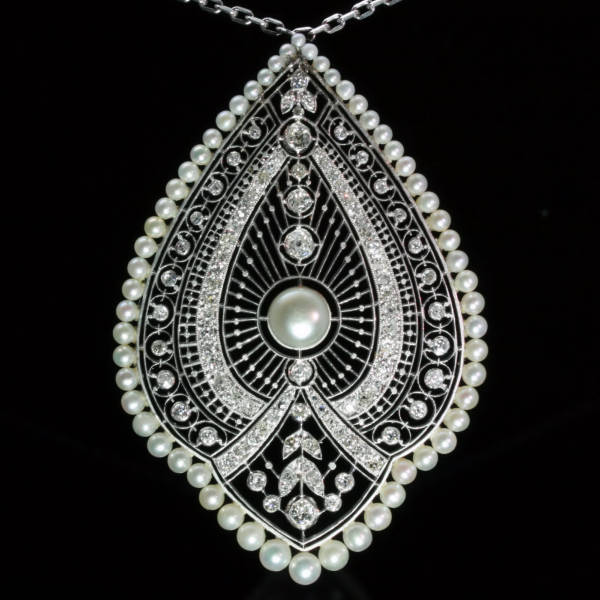 necklaces $15,000 + |
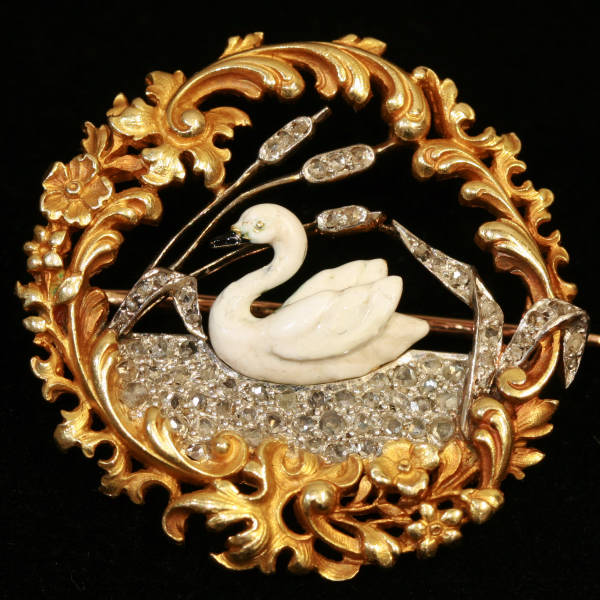 brooches $15,000 + |
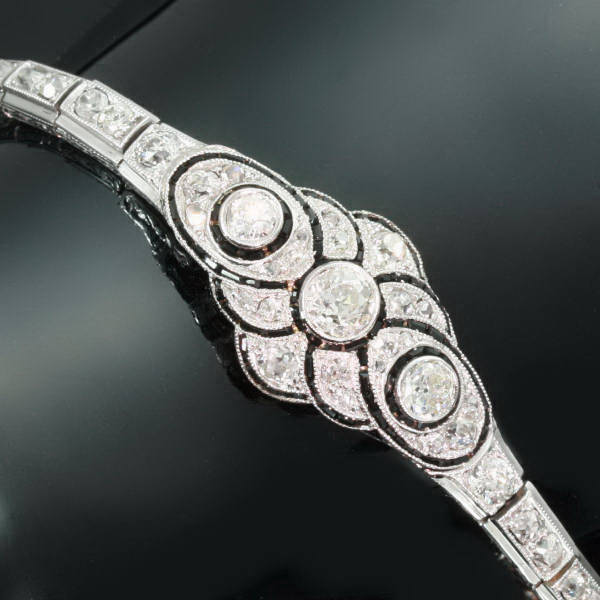 all jewelry $15,000 + |
Imagine this:
Wearing a Medieval 700 year old brooch!
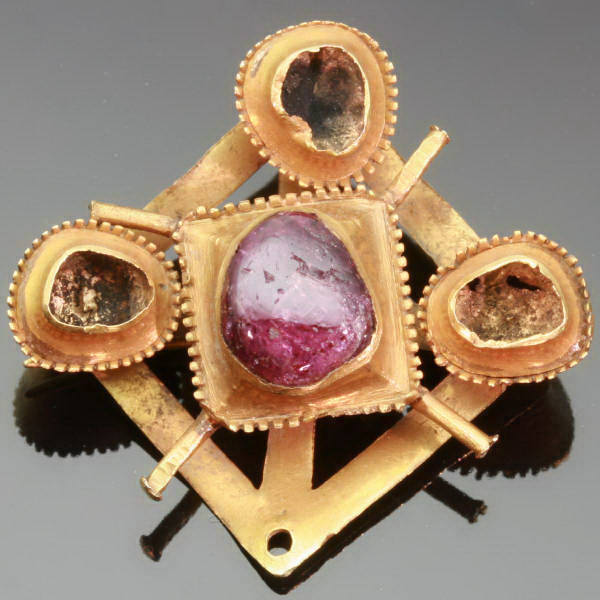 |
This brooch was offered to us in the shop in this condition. Made somewhere between 1300 and 1400 (always hard to pin-point exactly). We decided to leave it untouched as we think that any repair or alteration to this jewel won't do it justice as it will take away its genuine character.
What do we see? Born as a cross, with a center stone that is either ruby or spinel and three remaining settings, most likely for the same type of stone as in the center. Three remaining, as it is obvious that there was a fourth setting. The little pins sticking out of the center, where most likely meant to keep pearls in its place. We can still see the rubbed ends of the pins, showing a sort of riveting technique. We also think the brooch has been in the ground for a long time, long enough to have the pearls dissolved.
It still has its original stick pin and closure. Just imagine when people ask you "What strange thing are you wearing?" and you can say that it's a piece that is some 700 years old!
An extraordinary piece with true charisma!
Mistakes that can be made
with buying antique jewelry:
 |
Papal cross with hidden space!
(from the longest reigning pope in history)
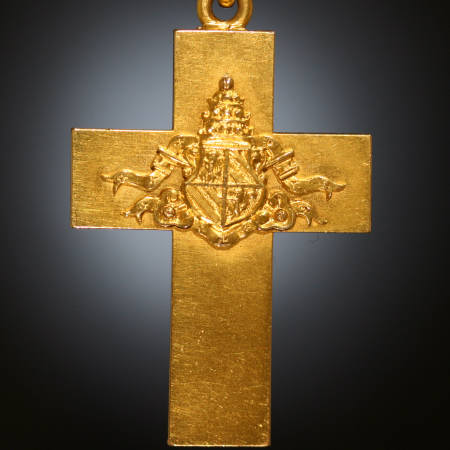 |
Two extraordinary characteristics in one piece of antique jewelry; a popal jewel and a hidden space!
To find an original piece of antique jewelry with papal arms is a very rare thing indeed, even for us. And then to find one which commemorates a unique situation in papal history is even more rare. The coat of arms on this cross belong to Pope Pius IX who was the longest reigning pope in history (31 years). This unique bishops cross is made in solid 18K warm yellow gold and bears on one side the papal coat of arms and on the other side a Latin text. This Latin text at the back explains that this cross was given to (arch)bishops at the pope's golden episcopal jubilee in 1877 (MDCCCLXXVII).
As the coat of arms is attached to the cross with little golden screws we decided to carefully open it and we found a secret place! With the closer examination of this well-hidden space we found that it was filled with some darker colored material (see picture in the describing page of this jewel). We did not want to touch it, so we do not know what it is but we wouldn't be surprised would it be some sort of relic. Normally we clean all jewelry before we offer it for sale but for obvious reasons we did not touch this jewel in order to leave it in its original condition.
MOOOOHAHAH HAPPY HALLOWEEN !!!!!!!
(this is as scary as we can be)
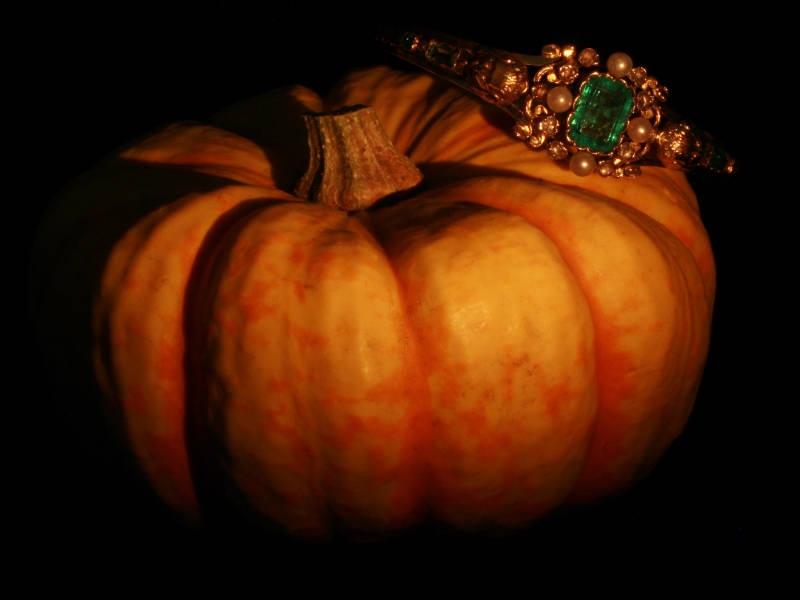 |
What an intriguing bangle we have here. Its center stone a truly nicely vivid green colored emerald and flanked by three-dimensional crafted human heads in gold. A typical product of the French Haute Joaillerie (highest quality jeweler's craftmanship) presented in a box by Bapst & Falize. Click the picture to read more about it.
Real Antique Rings
(enjoying jewelry with a history)
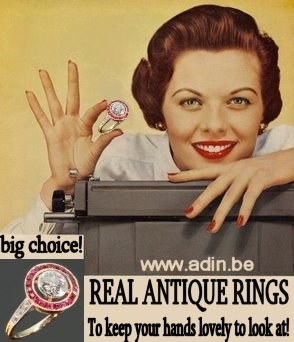 |
Stylish Women Prefer: Adin Antwerp - Next time you attend a smart house party, make this test: Ask every woman there where she bought the antique ring she is wearing. It is almost a certainty that the majority tells you “Adin in Antwerp”. But that is only natural. Adin was first to discover that an Antique Ring is no longer a mere cosmetic. It's a style accessory.
And so fashionable women everywhere look at Adin for their Antique Rings as surely as they look to Paris for styles in clothes. Adin Antique Rings retain their lustre longer. And as everyone knows, they sparkle and shine.
Try Adin Antique Rings. Continuously fresh stock coming in! Fashion right!
Natural orient pearl necklace
Rare!
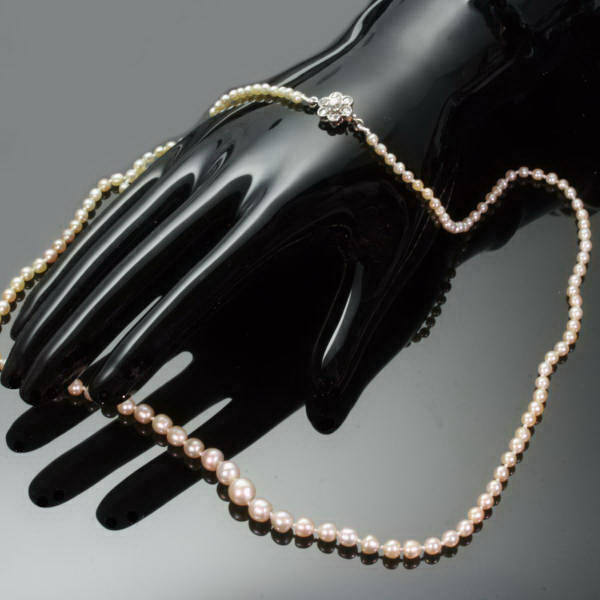 |
In contrary to cultured pearls, the most valuable pearls occur spontaneously in the wild, but they are extremely rare. These wild pearls are referred to as natural pearls.
The finest quality natural pearls have been highly valued as gemstones and objects of beauty for many centuries, and because of this, the word pearl has become a metaphor for something very rare, fine, admirable, and valuable.
We are proud to have some real natural pearl necklaces in our collection and we invite you to take a look at them.
BE HAPPY!
GO ADIN!
 |
Perfect customer service? You bet. Scientific tests, combined by three independent consulting laboratories (mothers from people of the Adin-team), prove that the folks at Adin are nicer than any other principal brand.
Rich taste en perfect quality? Yes, the full, rich taste of truly fine antique jewelry. Only fine antique jewelry gives you both real happiness and rich taste. And Adin means fine antique jewelry. So enjoy the happy blending that combines perfect happiness with a rich, true taste. Be Happy - Go Adin!
Garden of Adin's latest gossip:
Micromosaic Butterfly and Ladybug seen together!
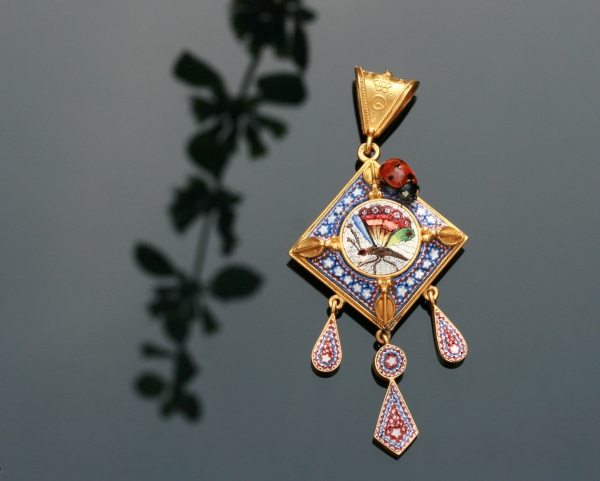 |
Micromosaic is made from many small adjacent pieces (tesserae) of inlaid varicoloured glass or stone arranged to form a picture or design. For articles of jewelry, the mosaic was usually made in the form of medallions set in brooches, pendants, necklaces, finger rings, ear-rings, parures, etc.
Such work has been done principally in Italy, some being executed with skill and artistry in the 19th century, but many pieces being made in recent years as tourist souvenirs, with large tesserae of stone or glass that are roughly set, and sometimes with some painted portions. Pieces of good quality were mounted in gold frames, including some made by the Casa Castellani in Rome. The fashion for mosaic jewelry in England was mainly in the period 1820-60.
Mosaic work in jewelry was of two types:
- Roman or Byzantine mosaic, with the tesserae made of glass, set into molten glass, and fused together
- Florentine mosaic. (Venetian mosaic) made of slices of coloured glass canes, usually making a millefiori pattern, was seldom used for pieces of jewelry.
In both types the decorative motifs were often pictorial views of ancient ruins or famous buildings, and in the 1820s Egyptian motifs, but by the mid-l9th century the usual subjects had become more sentimental, e.g. flowers and pet dogs. The Florentine mosaic was imitated in Derbyshire, England, in the late 18th to early 19 century, by using local black marble and feldspar.
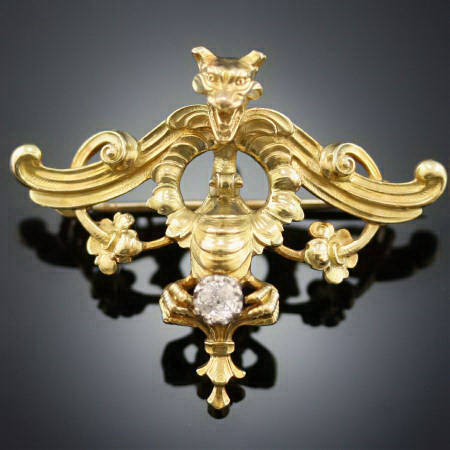
About griffins and dragons
September 10th, mark that day!
 |
Dear Friends,
Our apologies for not bringing our weekly email to your inbox for some weeks now. We have been very busy co-organizing the first dragon boat festival ever in Belgium.
The opening of the festival will be done by the Chief Executive of Hong Kong, the Honourable Donald Tsang!
In case you are in the position to be in Antwerp Saturday, September 10th, you are most welcome to visit the First Port of Antwerp Dragon Boat Festival. (www.antwerpdragons.com)
Even better: let us know you are planning to come and we'll supply you with a VIP-village entrance card!
Case solved!
(remember we were on the hunt for this man?)
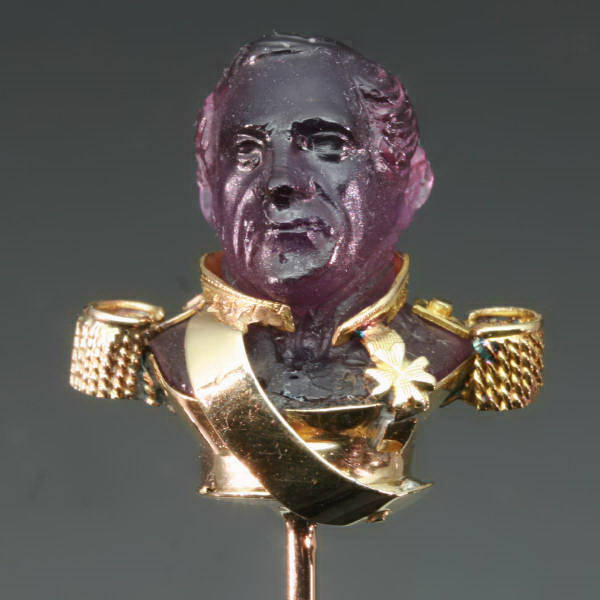 |
Another antique jewelry riddle we have here. We think that this man could be a French or English general from the Bonapartic era. But we have no clue which general it could be. We have been looking in the direction of Auguste de Marmont and Guy-Victor_Duperré but couldn't find any resemblance with our stickpin general. The cross our general is wearing here has four arms while the normal French order has five. Also the sash and epaulets could be of important indication.
Or does the haircut style indicates a British officer instead of a French one? Visitors of our site have already suggested this could be Lord Horatio Nelson or the Duke of Wellington. Something we don't support after comparing the the face of this pin with paintings of the two dignitaries.
Any help or information you might have that helps us in determining this person, is much appreciated.
Broadcasting our antique jewelry passion
 |
Did you know that ...
- ... Adin is online since 1994?
- ... you can find a complete lecture on antique jewelry at the Adin site?
- ... Adin has an antique jewelry glossary with over 1500 entries?
- ... Adin has a weekly antique jewelry related weblog?
- ... Adin offers you free wallpaper to personalize and spice up your desktop?
- ... Adin has a special section with its latest acquisitions?
- ... Adin offers you a comprehensive antique jewelry style overview?
- ... Adin can be followed on Twitter?
- ... Adin has a Facebook account?
- ... Adin has its own channel at YouTube?
Do you know this man?
(because we don't)
|
Another antique jewelry riddle we have here. We think that this man could be a French or English general from the Bonapartic era. But we have no clue which general it could be. We have been looking in the direction of Auguste de Marmont and Guy-Victor_Duperré but couldn't find any resemblance with our stickpin general. The cross our general is wearing here has four arms while the normal French order has five. Also the sash and epaulets could be of important indication.
Or does the haircut style indicates a British officer instead of a French one? Visitors of our site have already suggested this could be Lord Horatio Nelson or the Duke of Wellington. Something we don't support after comparing the the face of this pin with paintings of the two dignitaries.
Any help or information you might have that helps us in determining this person, is much appreciated.
Who says you "need" glasses?
 |
New flower species found
in The Garden of Adin
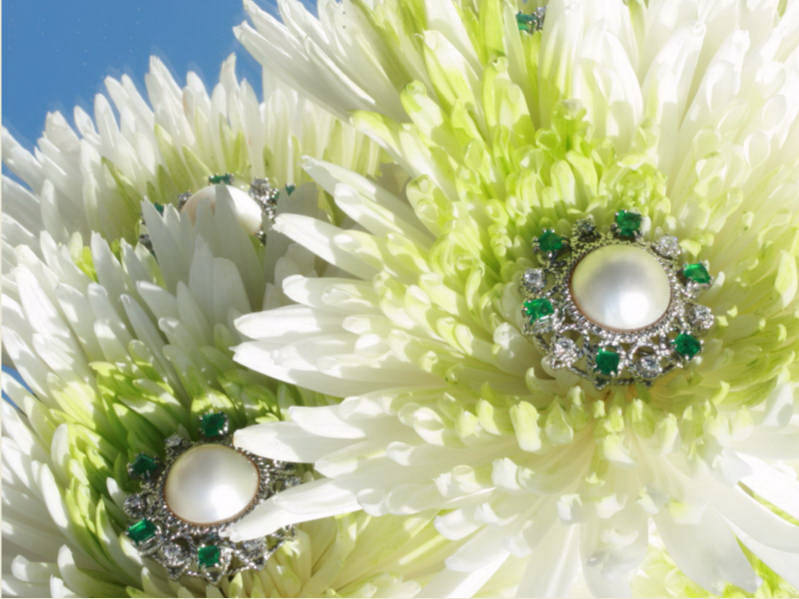 |
Antwerp, BELGIUM – A newly discovered flower species from the northernmost province of The Garden of Adin will be formally introduced here by local and international environmental groups.
Believed to be found only in The Garden of Adin, the flower species, called 'Chrysanthemum Narcissisticum Elkanum', was discovered recently in the province’s mountain area by noted Adin's botanist Elkan Wijnberg of The Adin Conservation International, after whom it is named.
Intense bird caring program
in The Garden of Adin
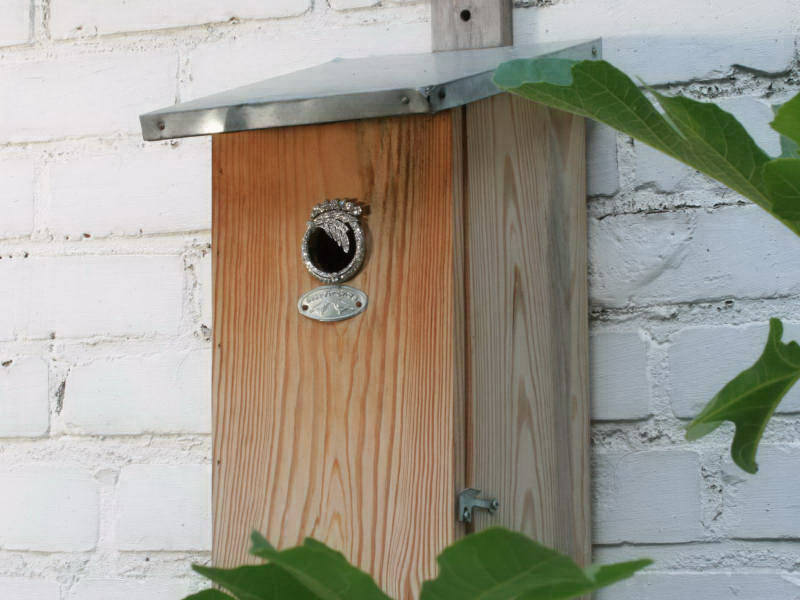 |
Antwerp, May 15 - In a recent study, Adin's Chief Ornithologist (bird expert) Mr. Elkan Wijnberg proposed several new approaches as how to attract more birds to The Garden of Adin. Discussions are still running about the effectiveness of some of his ideas.
Heavenly musician
in The Garden of Adin
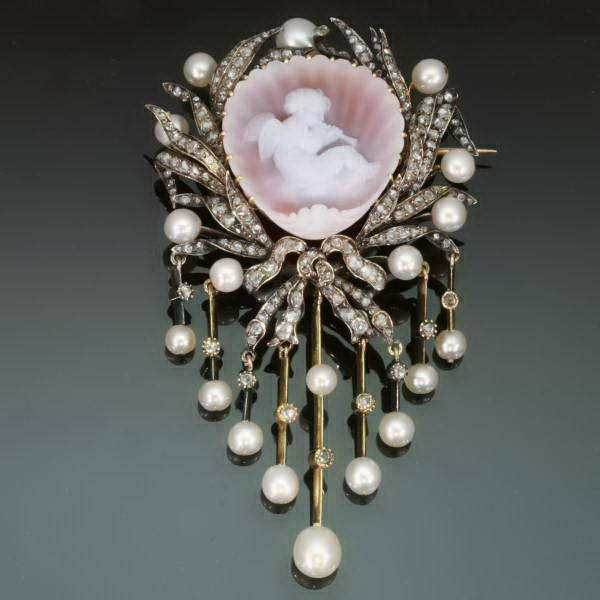 |
Antique Victorian jewelry brooch with stone cameo angel, diamonds and pearls.
A majestical piece of antique jewelry we have here. A skillful engraved sardonic hard stone cameo representing a cute little cupid in a shell on a cloud blowing the trumpet or whistling the flute. Surrounded by a wreath fully embellished with rose cut diamonds and natural pearls. A typical example of high-class jewelry made in the Victorian Grand Period.Victorian Grand Period Jewelry (1860 - 1885) is often dramatic and includes re-interpretations of many ancient patterns and styles. The use of cupids go back to the Greek who called them Erotes, winged gods of love. Their number was varied: Eros (Love) and Himeros (Desire), Pothos (Passion) and the twins Eros and Anteros (Love reciprocated).
But one cupid or the other.... this sure is a love-ly brooch.
A Royal Wedding with an antique ring...
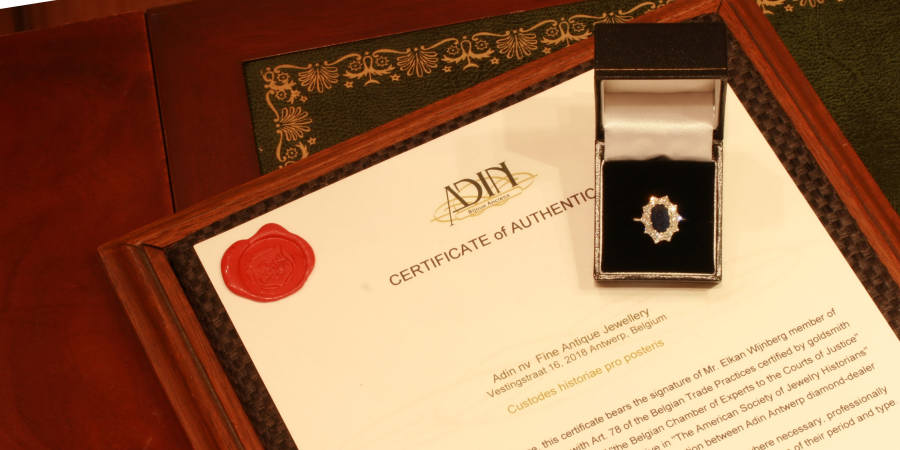 |
After seeing Kate and William's wedding celebration we could not resist to present you this sapphire diamonds cluster ring, known as a Lady Di ring. William proposed Kate with his parents engagement ring (an oval blue sapphire ring with diamonds), something that has been undoubtedly hugely emotional. Although the ring here is "just a tad" smaller than its royal compeer the ring has tremendous allure and just waiting for its princess to wear.
A tribute to French symbolic jewelry
A phoenix arising from the ashes
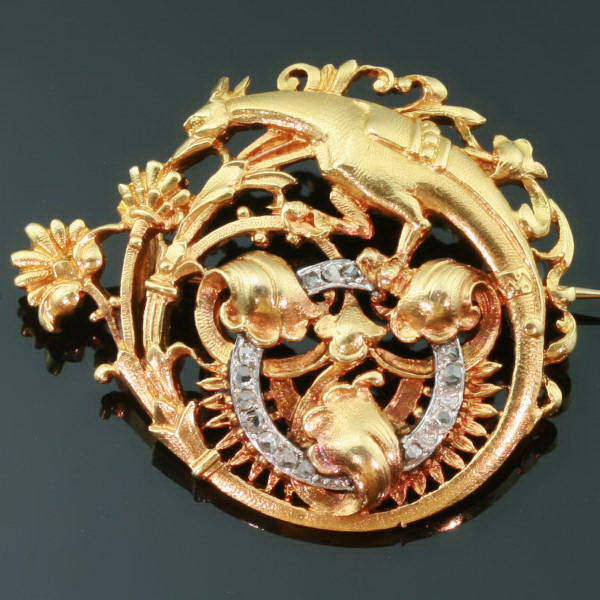 |
One of the reasons French antique jewelry is world-wide appreciated is the use of symbolism, giving the jewelry a deeper meaning. A nice example we show here. What we first thought to be a griffin turns out to be a phoenix, just based on the other symbol attributes in the brooch.
We recognize a circle (set with rose cut diamonds) with flames representing the Sun or Fire, symbols of creation and destruction. The phoenix has long been a symbol of rebirth, immortality, and renewal. The floral pattern breaking through the circle depicts the nest of aromatic branches and incense which the phoenix uses to set set himself on fire. From the ashes of that fire arises a new phoenix ...
This brooch could symbolize the transition from an old to a new era in one's life.
Precious white dew berries
too good to pass over in The Garden of Adin
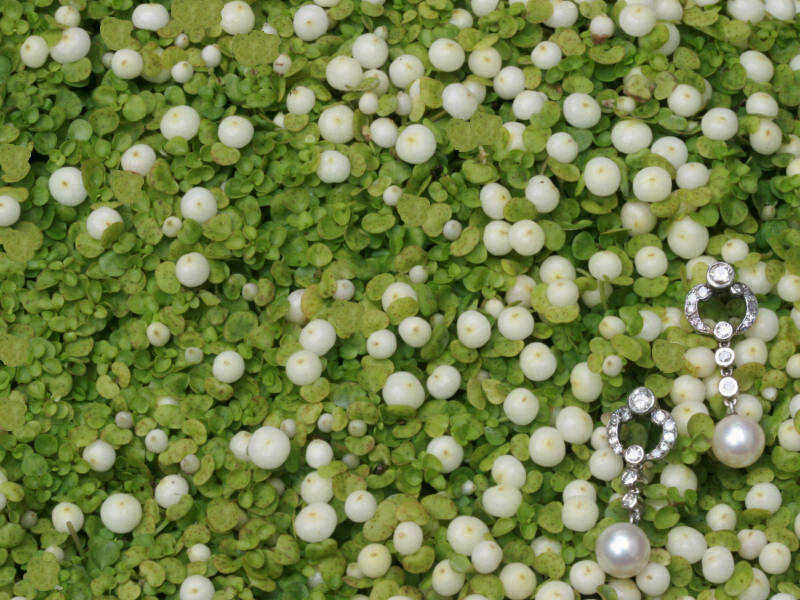 |
(Click the picture to get to these charming fifties earrings)
Why are these berries different from all other berries?
... and when the Gardener's followers saw it, they said to one another, what are these, because they did not know what it was and where it came from, and the Gardener said to them, These are earrings that are meant to be worn.
Get your kicks at Adin 26!
Celebrating 26 years of Adin
with our 26th spring discount week
 |
(Click the picture to get to our complete collection of antique historic jewelry)
Just this week !!!
5% cash-back on all your purchases! (*)
In sincere appreciation for making Adin your antique jewelry destination we gladly offer you 5% cash back on your entire Adin purchase made between April 10 and April 17, 2011. (*)
Religious discoveries
in The Garden of Adin
We would like to explain a little bit about the variations in our collection of antique French provincial jewelry. Most of these are inspired by religion, which is not so unexpected given the might of the church in the last centuries. Every province of France had a different type of dress code with specific jewelry for each one. The quality of our collection is truly museum-worthy and yet eminently wearable. Just imagine wearing a piece of jewelry that has seen two or even three turns of centuries.
Croix Boulonnaise
Circa 1770
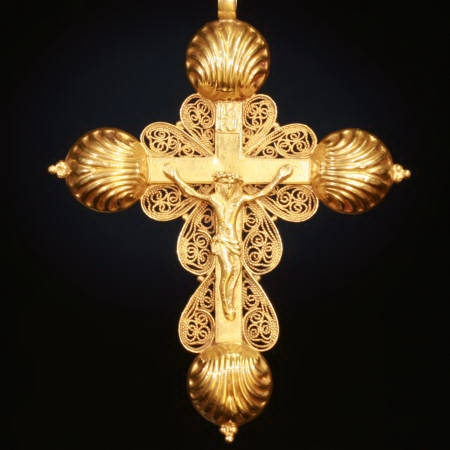 |
Click on the picture to get to this antique cross.
This type of cross is part of the adornment of wealthy married women along the coast between Boulogne and Dunkirk in France. They are recognised by the shell motifs that evoke pilgrimage to Saint Jacques de Compostelle. The filigree work harks back to it's distant Spanish origin.
- - -
Croix Normande
Circa 1819-1830
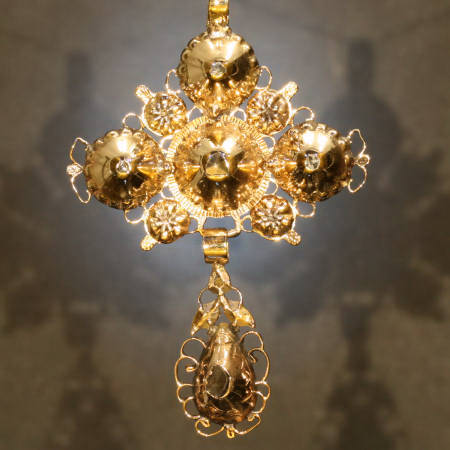 |
Click on the picture to get to this antique cross.
This cross pendant is both a religious symbol and a tool for regional identification. Together with a specific costume it denotes social status too. Size and abundance of materials that compose it reflect the wealth of its wearer.
- - -
Croix Viroles
Circa 1750-1790
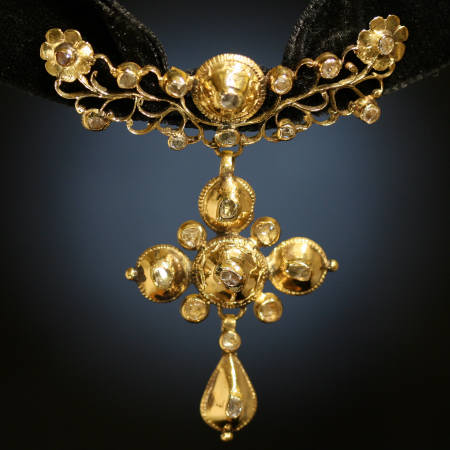 |
Click on the picture to get to this antique cross.
This cross belongs to the rare group of French Provincial gold cross pendants that were made at the end of the 18th Century (around 1790). It was bought and worn by wealthy provincial French women. These jewels rarely contained diamonds which were mostly used by jewellers for the nobility. This very cross from our collection is depicted in the famous book "Georgian Jewellery 1714-1830" page 152.
- - -
Croix Badinne
Circa 1838-1850
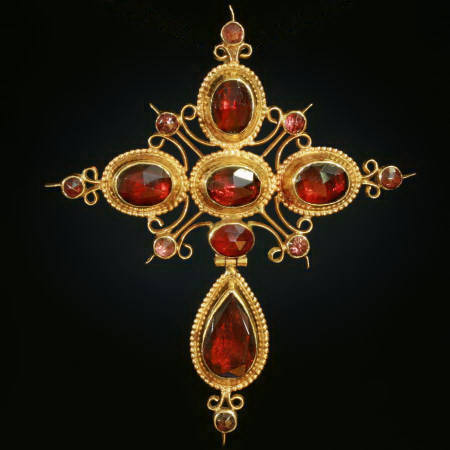 |
Click on the picture to get to this antique cross.
This cross was the most typical and traditional cross made in Roussillon in France. Usually tied around the neck with a silk or velvet ribbon. The shape of this jewel was developed by Catalan goldsmiths in the late 17th Century. It was worn in the Empire and Restoration periods, and depicted on the portrait of Elizabeth Campagnac.
- - -
Today, French regional crosses are very rare unlike the variety that existed in the old days. Most of these crosses are now kept in musea or in private collections.
Spring sprung
In The Garden of Adin
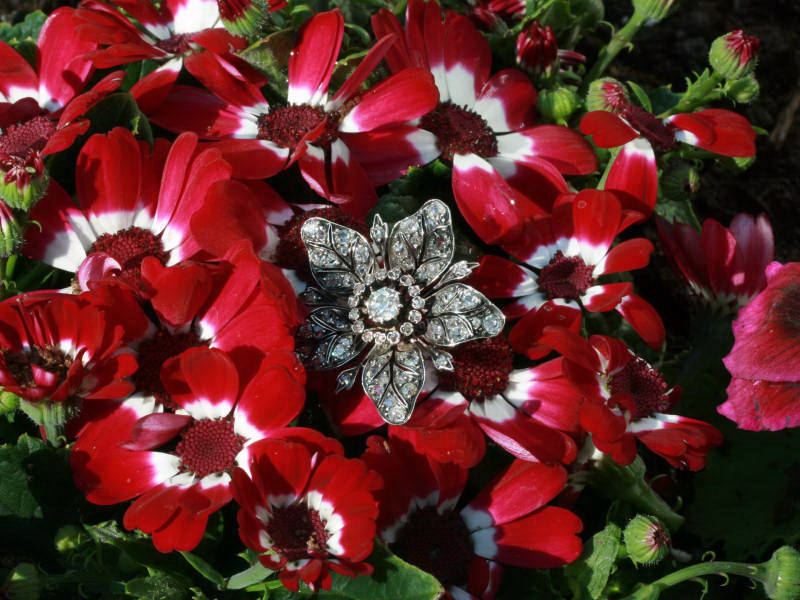 |
(Click the picture to get to this Victorian flower brooch and pendant)
Any idea how often spring has sprung over this flower?
.... at least 150 times!
Recipes d'Amour
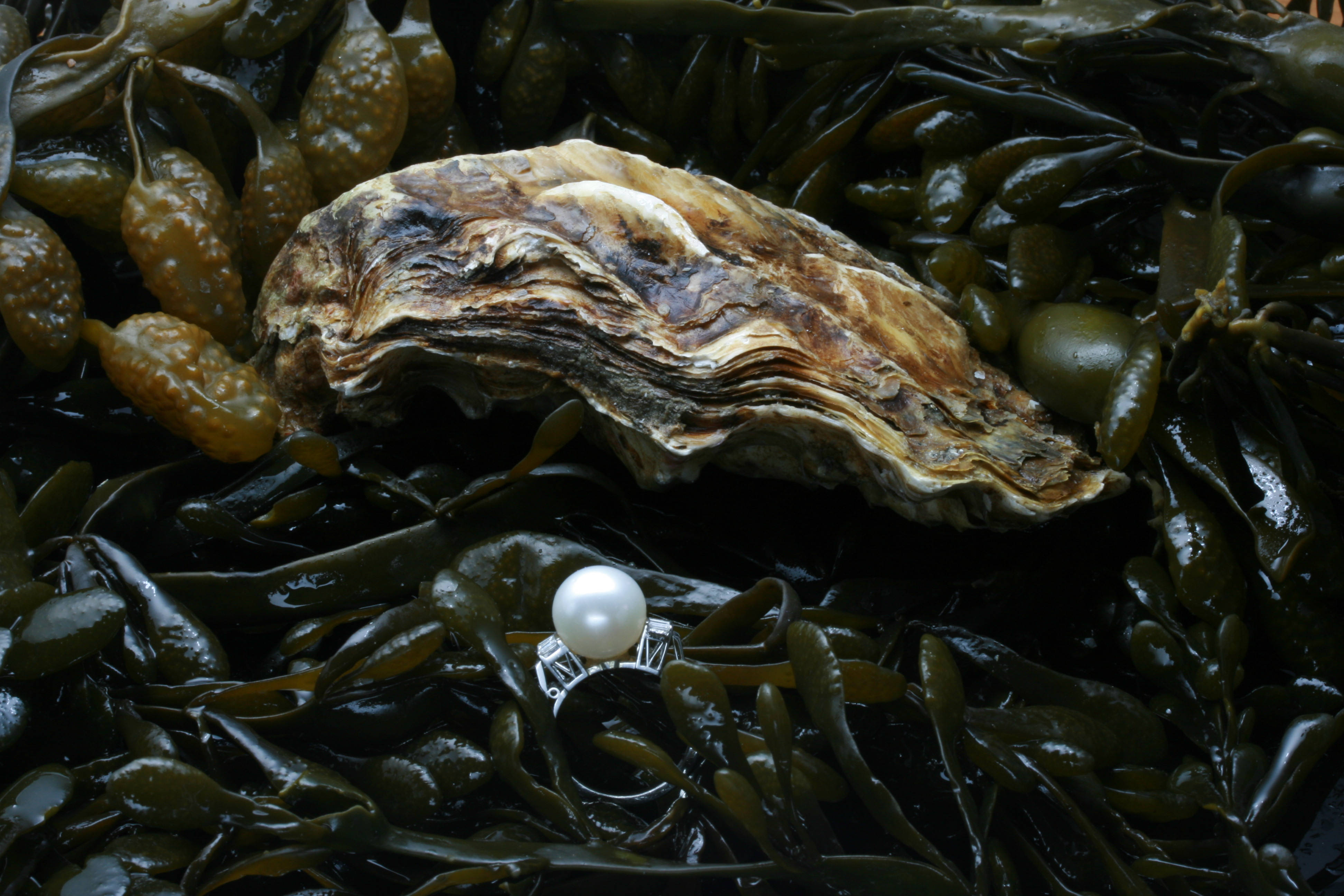
Gratiné Oysters with antique pearl jewelry
 |
"La nouvelle cuisine d'Adin"
proudly presents:
Crusted Oysters
Preparation time: 90 minutes
Ingredients:
24 fresh oysters
1 leek
1 tablespoon oil
1 dl Champagne
1 dl whipped cream
300 grams grated cheese
One piece of antique pearl jewelry (can even be the Art Deco ring as pictured too)
Method
- Open the shells and take the oysters out.
- Collect and sift the moisture and separate the deeper half of the shells.
- Cut the leek in small rectangles, wash them and let them drain.
- Rinse the deeper halfs of the shells and pat them dry.
- Sauté the leek in the oil and add the whipped cream, the collected oyster-moisture, the Champagne and some grated cheese.
- Boil this down to a third and season to taste.
- Fill the deeper half of the shells with a bed of the leek substance and put an oyster on top.
- Sprinkle some grated cheese on top of this.
- Place under a grill till the cheese is melted and slightly crusted.
Serve with Champagne.
Present the antique jewel after degustation of oysters and Champagne.
Success guaranteed.
A tribute to French naturalistic jewelry
(Swan on Garden of Adin's Diamond Lake)
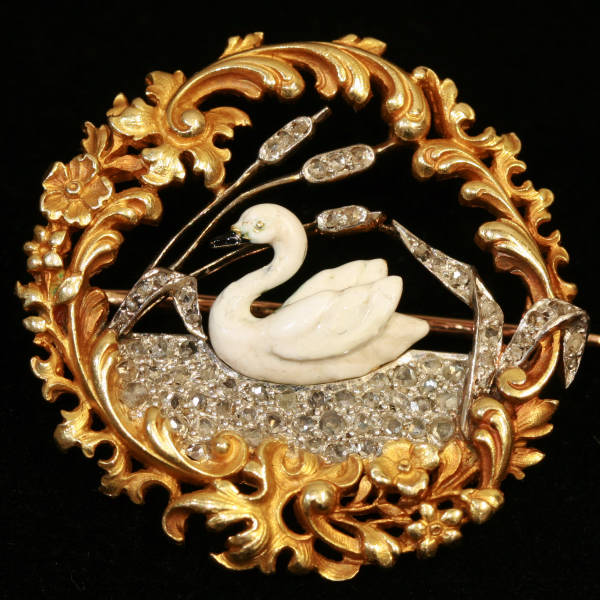 |
At the end of the 19th Century jewelers used nature as inspiration for their designs. Their interpretations of animals in jewels are based on a realistic view of the colours and lines in naturalistic detail. The French were undoubtedly unrivalled in the design of jewelry during this period with a deep understanding for the gems and materials used. It is in French jewelry that the most stunning naturalistic motifs can be found. This 19th Century naturalistic jewelry in diamonds, of course, can be very expensive. With careful and imaginative taste, the flowers (reedmace or cattail) and swan act as a romantic and fascinating theme of this decorative jewel.
We think that this beauty is made at the end of the Victorian and beginning of the Art Nouveau era.
The Victorian era (the period of Queen Victoria's reign from June 1837 until her death on 22 January 1901) is known for its eclectic revival and interpretation of historic styles and the introduction of cross-cultural influences from the middle east and Asia in furniture, fittings, and interior decoration. Victorian design is widely viewed as having indulged in an excess of ornament. The Victorian period can roughly be divided into 3 distinct periods; the Romantic (1837 - 1860), Grand (1861 - 1885), and Late or Aesthetic Period (1880 - 1901). The jewelry of the late Victorian period once again returned to romanticism with more delicate and whimsical motifs such as stars, crescent moons, reptiles, animals, birds and insects. The discovery of the diamond mines in South Africa led to the use of mine, rose and cushion cut diamond stones.
The Art Nouveau style has its beginning in the late Victorian era. Art Nouveau (French for New Style) is an international movement and style of art, architecture and applied art - especially the decorative arts - that peaked in popularity at the turn of the 20th century (1890–1905). The name "Art Nouveau" is French for "new art". It is also known as "Jugendstil", German for "youth style", named after the magazine Jugend, which promoted it, and in Italy, Stile Liberty from the department store in London, Liberty & Co., which popularised the style. A reaction to academic art of the 19th century, it is characterized by organic, especially floral and other plant-inspired motifs, as well as highly stylized, flowing curvilinear forms. Art Nouveau is an approach to design according to which artists should work on everything from architecture to furniture, making art part of everyday life.
But all this info aside: What a beautiful brooch! Upon the sight of this brooch we all turned instantly happy. What a pretty piece of Applied Art. Charming, touching, cute, top notch work and design... One of the very nicest pieces we have had in many many years. And it stays nice... everytime we look at it we are in awe of the quality and its positive impact to our mood :-) .
Click the following link to see all our Animalistic jewelry.
ADIN
Now, with a new improved formula!
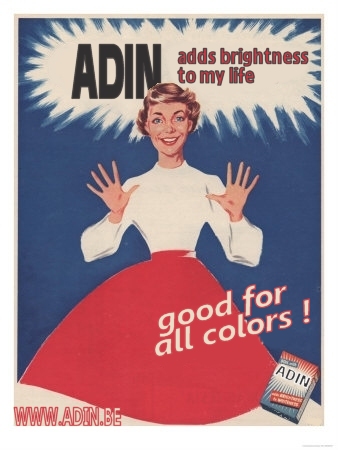 |
The new improved Adin formula allows effective wearing of antique jewelry at all temperatures. Furthermore it allows women to improve the impact on the environment by wearing antique jewelry in a specific color to their own choice, like antique jewelry with the color white, blue, red, yellow, purple and/or even black. Inspired on color and mineral based ideas, this latest antique jewelry formula is virtually biodegradable and has a good environmental profile that exceeds European Union and American legislation.
Adin, King of the Blues
Latest release: The thrill is back!
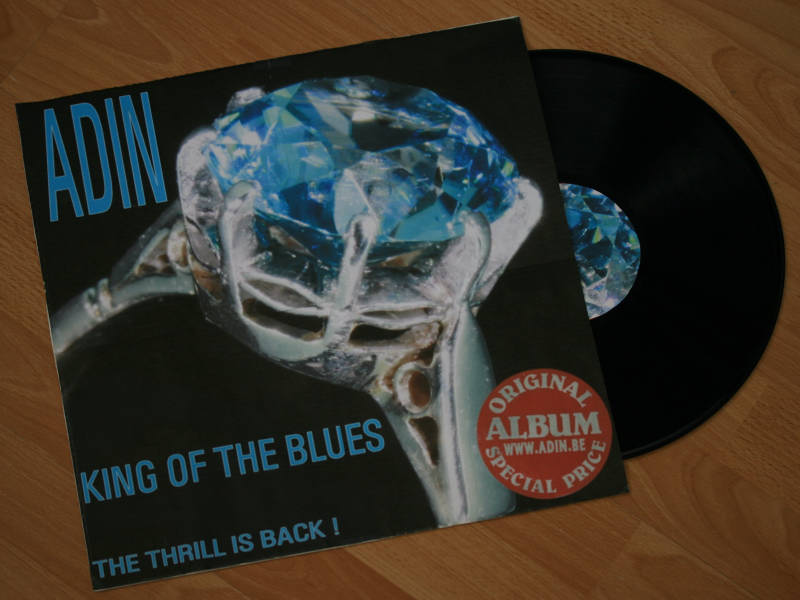 |
The Adin Blues genre is rather based on color then on a musical form or genre. Adin Blues can be subdivided into several subgenres ranging from Nineteenth Century Light Blues to Vintage Urban Blues that were more or less popular during different periods of the 20th century. Best known are the Sapphire, Lapis Lazuli, Turquoise and Starlite Blues styles.
Victorian jewelry
(some background info)
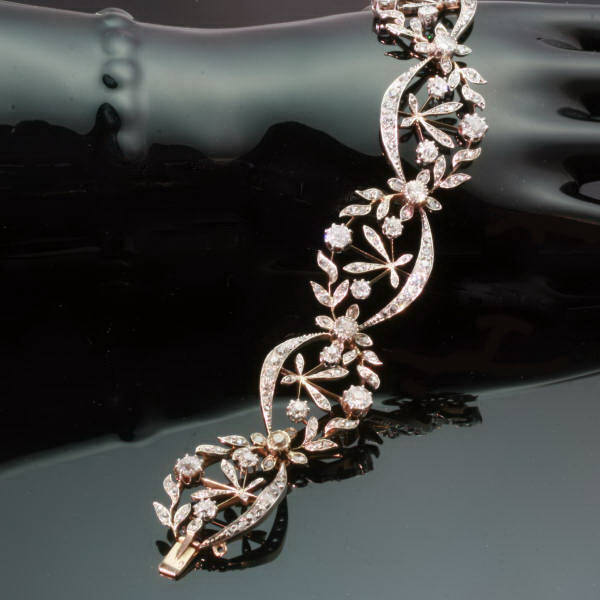 |
Victorian Decorative Arts refers to the style of decorative arts during the Victorian era (the period of Queen Victoria's reign from June 1837 until her death on 22 January 1901). The Victorian era is known for its eclectic revival and interpretation of historic styles and the introduction of cross-cultural influences from the middle east and Asia in furniture, fittings, and interior decoration. Victorian design is widely viewed as having indulged in an excess of ornament. The Victorian period can roughly be divided into 3 distinct periods; the Romantic (1837 - 1860), Grand (1861 - 1885), and Late or Aesthetic Period (1880 - 1901).
We consider this beautiful bracelet to be of the Grand Period. Jewelry from this period was often a re-interpretation of ancient, Renaissance and Gothic patterns and styles. The most important (ancient) ornament in this bracelet is the wreath, an ornament with much history and symbolism associated to it - most of it goes back to the Greek mythology.
The Romans use of laurel wreaths echo the Greek traditions. The wreath was a symbol in the arts, literature, government and education in Roman society. In the arts, it expressed that one was valued and respected with a laurel wreath resting atop one’s head. Kings in both Greece and Rome donned the laurel wreath to illustrate sovereignty. Julius Caesar for example, proclaimed the laurel wreath "to be a symbol of the supreme ruler." The wreaths worn by kings were reminiscent of the traditional laurel wreath by the shape and its connotation yet were embellished with gold and gems. (This eventually led to the modern day crown.)
But all this info aside: it's a sheer joy, looking how the wreath elegantly drapes itself around the wrist, in a fluent line of diamonds. And yet, it does not scream out loud, a refined piece of French craftsmanship so typically for the what the French call "Haute Joaillerie" (high class/high standards jewelers).
Click the following link to see all our Victorian jewelry.
Newsflash
from The Garden of Adin
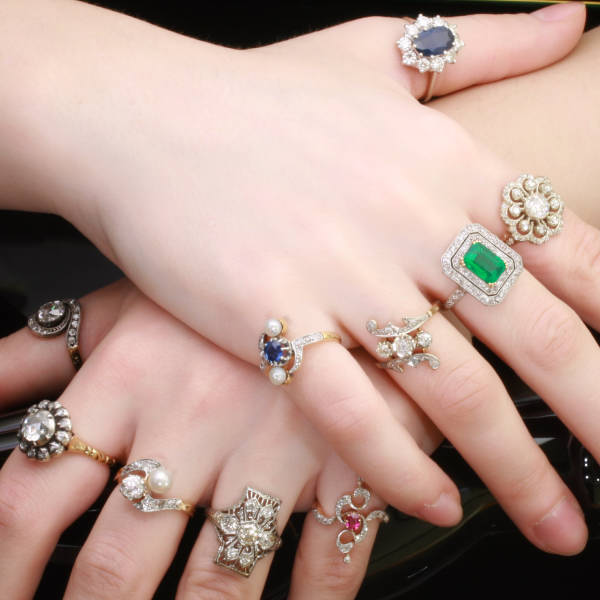 |
ANTWERP, February 13 - In an attempt to stimulate the sales of their antique rings, The Adin Research Center for Antique Jewelry Commercialisation has set up a Human Genetic Engineering Team. The aim of this team will be to see if women can have more than five fingers on each hand.
The first results are promising. We'll keep you updated!
- - -
Adin goes green!
(driven by its environmental conciousness, Adin is setting the trend again)
 |
As the eloquent experts would say:
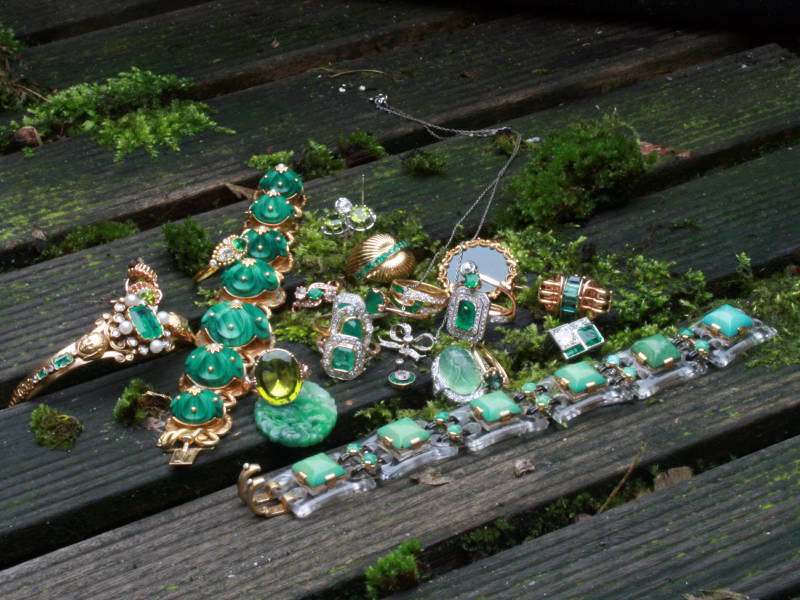
"With the presence of green being ubiquitous in The Garden of Adin and dedicated to finding solutions for the Garden's sustainability, the Gardener won a key endorsement for his proposal to focus on green sales."
But it boils down to the fact that we just would like you to take a look and be greenish and environmentally bedazzled. Go green and let your friends turn green of jealousy on the beautiful green antique jewelry you can find with us!
P.s. Perhaps you know someone who might be interested in receiving our mails? Forward them this mail so they can subscribe themselves at: our subscription page
P.s.2 No need to consider the environment before printing this email because we used a green font.
jewelry with movies
latest acquisitions
complete inventory
free antique jewelry wallpapers for your desktop
or read our explanations on:
extensive antique jewelry glossary
antique jewelry style overview
...in other words,
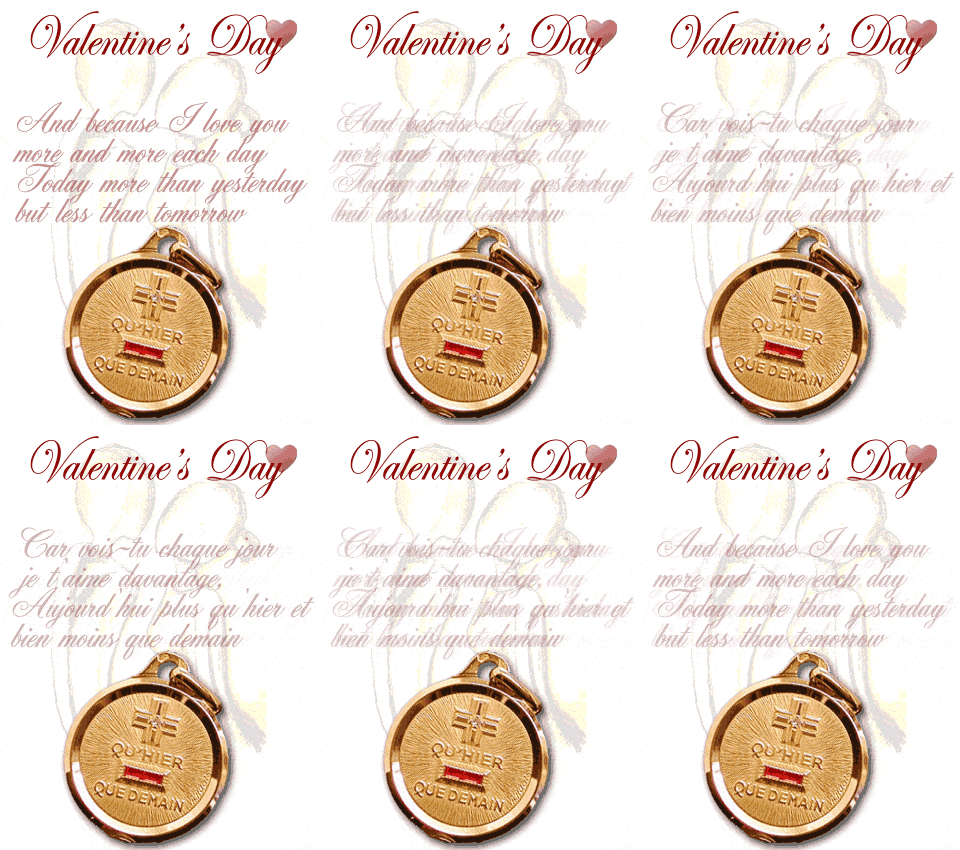
 It's yours (hearts) |
 |
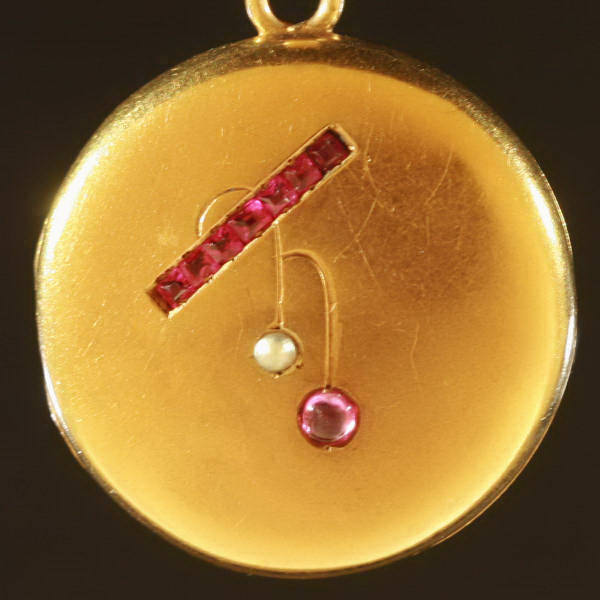 Always with you (lockets) |
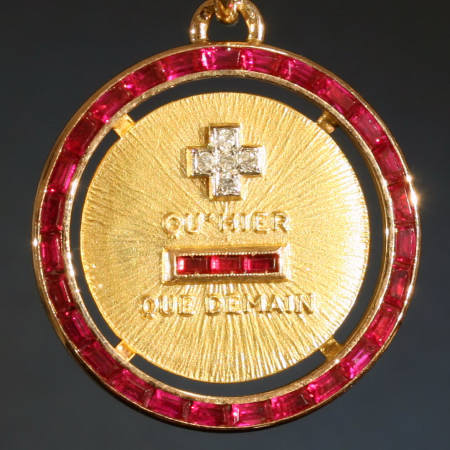 Je t'aime (pendants) |
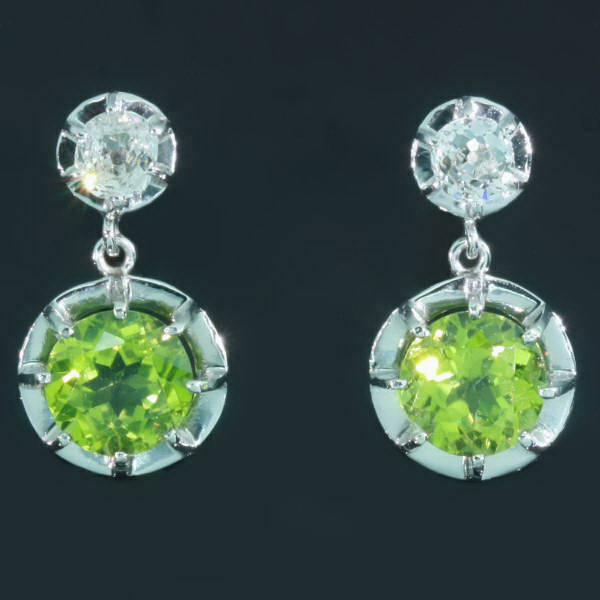 Shine forever (earrings) |
|
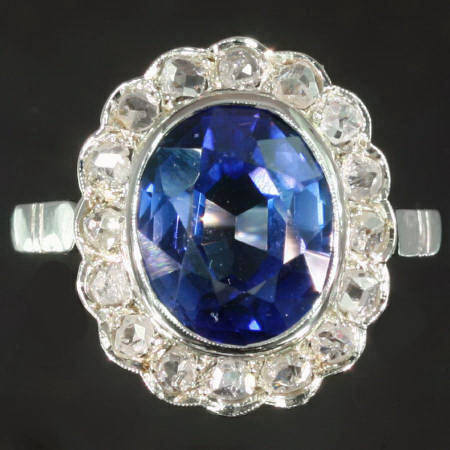 Marry me (engagement rings) |
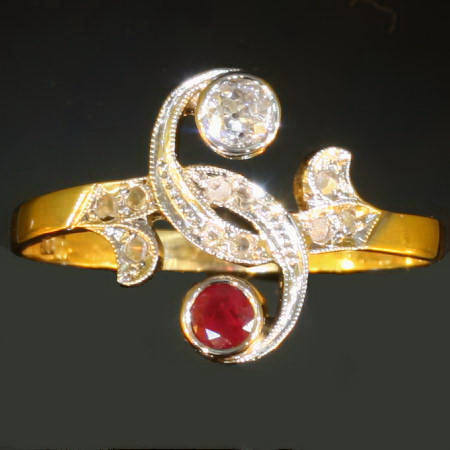 You & Me (toi et moi rings) |
Instant Antique Earrings
in handy blister pack
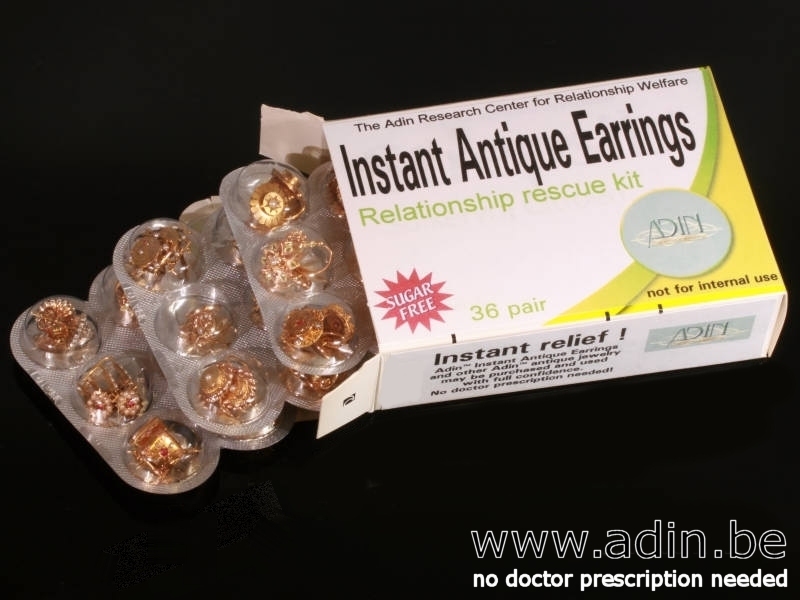 |
ANTWERP, January 23 - Along with instant chicken soup, instant coffee, instant oven cleaners, instant pain relief, it was only a matter of time before instant antique earrings made their international debut. Researchers at "The Adin™ Research Center for Relationship Welfare" came out with this brand new invention in a handy blister pack.
According to Adin's Chief researcher Elkan Wijnberg, non-clinical testing show promising results and although still in testing phase, "Adin™ Instant Antique Earrings" will be launched in the near future. Till then, antique earrings have to be bought per pair at www.adin.be.
- - -
Discovery of love vitamin
in
The Adin Research Center for Relationship Welfare
 |
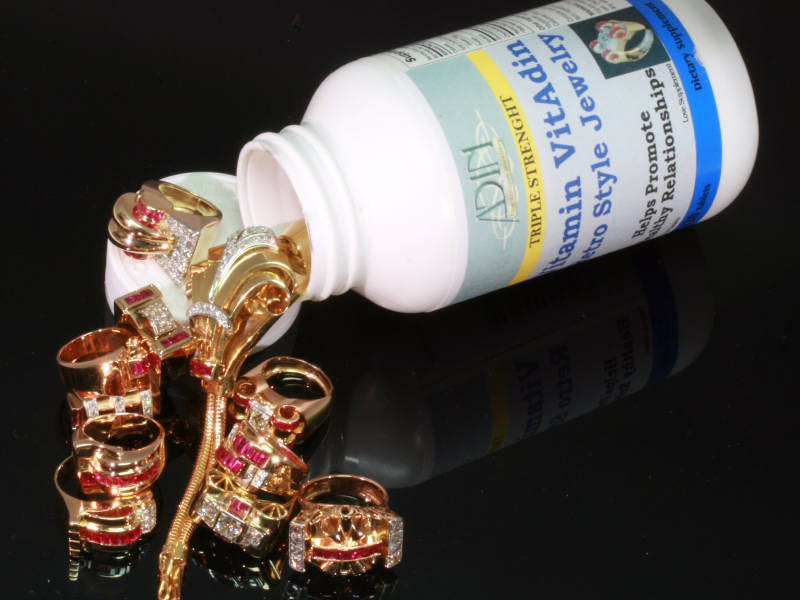 |
ANTWERP, January 16 (Reuters) - Recent studies in "The Adin Research Center for Relationship Welfare" have shown that the non-nutrient Retro Style Jewelry (RSJ) --long viewed as a nonessential-- has now been established as the first new vitamin discovered since a long time. The new vitamin can positively affect relationship dips and is named vitadin. According to Adin's Chief researcher Elkan Wijnberg, a regular dose will benefit relationships.
Retro style jewelry - The Retro style was strongly influenced by its predecessor: the Art Deco style. Using the same type and language of geometrical shapes but with bolder heavier lines, shapes and stones. Typical for the Retro style is its imitation of three dimensional folds of fabric with the ribbon bow as its most popular motif, often highlighted in the center with a calibré cut ruby or sapphire knot (mostly lab-produced stones were used) and diamonds in various cuts as white accents.
That gold regained its popularity during the Retro period was due to the fact that platinum was not available to the goldsmiths and jewellers since this was being used for the war effort. This was the main reason that during the Retro period different colors of gold became popular - yellow gold was combined with rose gold and green gold in striking combinations. In France goldsmiths worked with no less then 27 shades of colors of gold!
The most popular gemstones seen in the Retro style are aquamarine, citrine, topaz, large cabochon-cut rubies and sapphires (including star stones), golden beryl, peridots and tourmaline. Not uncommonly, gems used were exceptionally large in order to reflect the scale of the jewelry.
Recipes d'Amour
How to make her Queen of the Day
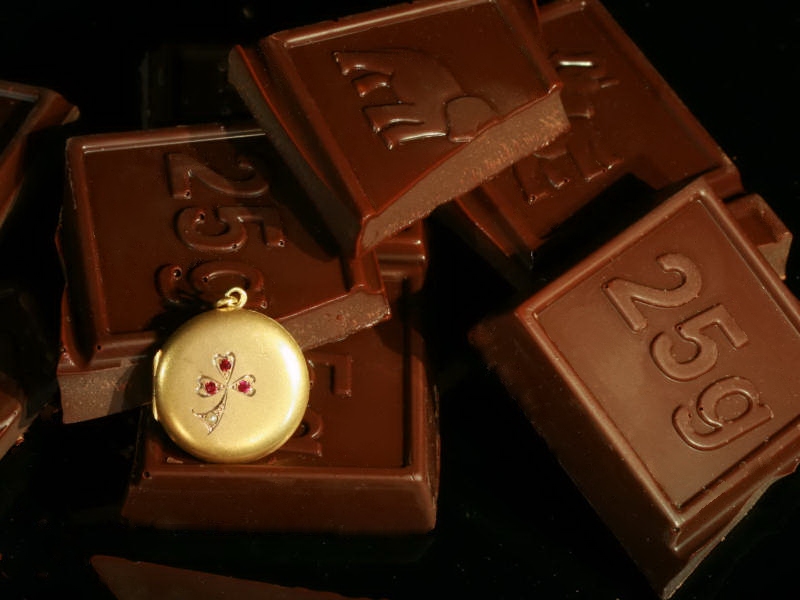
La nouvelle cuisine d'Adin
proudly presents:
Adin's Epiphany Present Pie
One of the customs for the 6th of January (also called “Epiphany” or “Twelfth Night”) is to bake a cake and hide something in it. The one who gets the piece of the pie with the hidden object can call himself King or Queen for that Day.
This folkloric practice was already used by the old Romans as a ritual at the Festival of Saturn. It was a time of celebration, visits to friends, and gift-giving, particularly of wax candles, and earthenware figurines.
Depending on the place one is in, the hidden object can be a bean (England), almond (Belgium), a little porcelain doll (France), and obviously a piece of antique jewelry when having been in The Garden of Adin.
Ingredients for a 6 - 8 portions pie:
-
- 200 grams butter at room temperature -
-
- (plus a little bit of butter for buttering the baking tin) -
-
- 200 grams ground almonds -
-
- 200 grams sugar -
-
- 4 eggs -
-
- 7 tablespoons self raising flower -
-
- 100 grams dark chocolate -
-
- 1 piece of antique jewelry -
-
Method:
-
Stir up the butter, almond powder and sugar
till smooth and creamy.
-
Add the eggs one by one.
-
Add 6 spoons of flower with a wooden spoon.
-
Divide the dough in two.
-
Melt the chocolate (2 minutes in microwave).
-
Stir the melted chocolate in one half of the dough.
-
Butter the cake tin (diameter ± 26 cm or 10 inch)
and disperse with the remaining flower.
-
Randomly scoop the dough without the chocolate
into the cake tin.
-
Add the chocolate dough.
-
Shovel the two from bottom to top
without really mixing the two colors.
-
Add the antique piece of jewelry (if heath-resistant)
and smoothen the top.
-
If the piece of antique jewelry is not heath-resistant
than hide it in pie when pie is cooled off after baking.
-
Bake the pie within 35 to 45 min.
in a prewarmed oven at 170°C (or 340° F).
-
The pie is ready when a knife (or knitting needle)
that you insert is dry when taken out.
-
Serve:
Best secretly mark the part of the pie with the jewel.
So you are sure to give your loved one the right piece.
Preparation time: ca. 15 minutes
Baking time: 35 - 45 minutes
Grade of difficulty: medium to easy
| Nutrition Facts | |
| Serving Size 1 piece | |
| Amount Per Serving | |
| Calories more than enough | Calories from Fat 190 |
| % Daily Value * | |
| Total Fat 34g | 35% |
| Saturated Fat 28g | 30% |
| Trans Fat | |
| Cholesterol 15mg | 6% |
| Sodium 150mg | 6% |
| Total Carbohydrate 40g | 15% |
| Dietary Fiber 2g | 8% |
| Sugars 21g | |
| Protein 2g | |
| Vitamin A | 0% |
| Vitamin C | 0% |
| Calcium | 4% |
| Antique Jewelry | 100% |
| Aesthetics | 100% |
| Good Taste | 100% |
| Romantics | 100% |
| * Percent Daily Values are based on an average diet. Your daily values may be higher or lower depending on your antique jewelry needs. | |
Click here for all our jewelry that might be used (but check with us first for heath-resistance).
The entire Adin team wishes you:
Happy New Year!
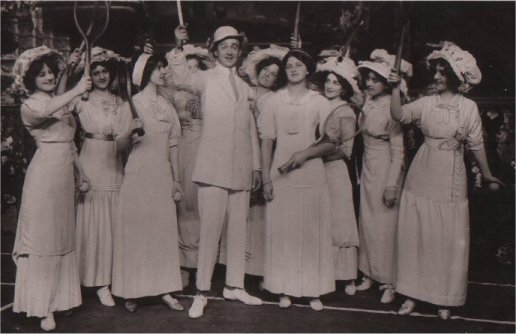
(Click the picture to see the antique jewelry our team has gathered)
Snowball fight !!!
in The Garden of Adin
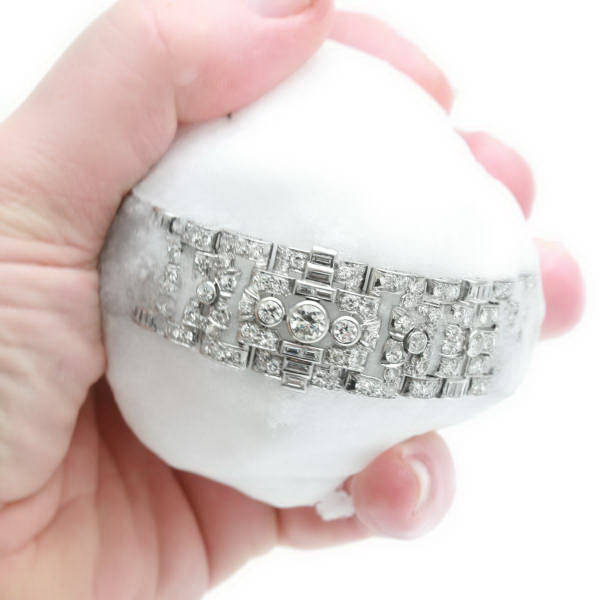
Don't you just hope to get hit sometimes?
Sorry dear...
it's going to be a frugal Christmas this year

"I spent all our Christmas decoration budget
on these beautiful earrings for you...
I hope you don't mind?"
Rubies are red my love,
sapphires are blue-hue-hue
Dear fellow antique and estate jewelry afficionado,
This will be the last mail of a serie of three without the usual weekly cute special picture or back-ground information. Don't worry this will be as much "hard marketing" as you can expect from us in a whole year. Rest assured that it will take another year before we will brag again about all those beautiful pieces of antique and estate jewelry that can be bought online from us and that it will take only about 2 or 3 working days from the moment of buying to the moment it is delivered at your doorstep.
This week's theme is to draw your attention to the fact that you can choose by color on our site. No more "What's that blue stone called again?" or "What can I wear that matches my red dress?" ... now, in the header of our site, you can simply choose the color you are looking for and you'll be shown all our jewelry with that specific color in it.
We also would like to inform you that all orders till December 22nd are still in time to be delivered before Christmas and that all orders will be specially packed in a free gift wrapping.
antiqually yours,
The Adin team
Antique and estate jewelry with something red
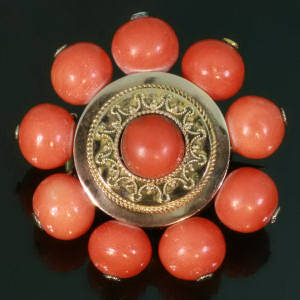 with red up to $1,500 |
 with red up to $5,000 |
 with red up to $10,000 |
 with red $10,000 + |
 all red jewelry |
Antique and estate jewelry with something blue
 with blue up to $1,500 |
 with blue up to $5,000 |
 with blue up to $10,000 |
 with blue $10,000 + |
 all blue jewelry |
Antique and estate jewelry with something green
 with green up to $1,500 |
 with green up to $5,000 |
 with green up to $10,000 |
 with green $10,000 + |
 all green jewelry |
Antique and estate jewelry with something yellow
 with yellow up to $1,500 |
 with yellow up to $5,000 |
 with yellow up to $10,000 |
 with yellow $10,000 + |
 all yellow jewelry |
Antique and estate jewelry with something black
 with black up to $1,500 |
 with black up to $5,000 |
 with black up to $10,000 |
 with black $10,000 + |
 all black jewelry |
Adin goes Dutch!
(with these top notch Dutch gold filigree earrings)
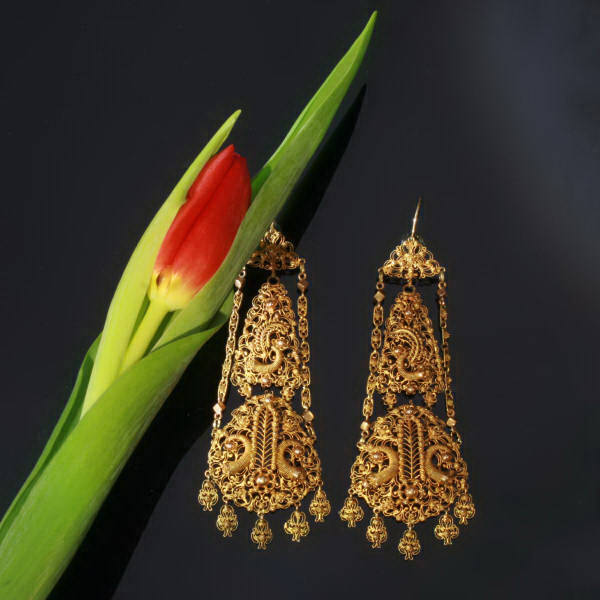 |
Without a doubt this must be the nicest pair of filigree earrings we ever had. Hard to tell exactly when they were made but we think somewhere between 1861 and 1886. We do think so because we found some hallmarks that most probably are from the master goldsmith A.Friederichs, who worked between 1861 and 1886 in Oudenbosch, the Netherlands. Clearly visible we see several motives like the Cornucopia (horn of plenty), bird's feathers and per earring five dangling motives that with some imagination could be hanging birds.
The combination of the quality of the craftmanship, the extraordinary length, the splendour of design, and their prestine condition make these earrings so special. Look and enjoy!
We also would like to inform you that all orders till December 22nd are still in time to be delivered before Christmas and that all orders will be specially packed in a free gift wrapping.
Exclusive Victorian Jewelry (1830-1900)
present suggestions part two
This time we would like to get your attention for an era that everybody heard about but perhaps would like to know a little bit more about: The Victorian era. Originally the term "Victorian jewelry" was designated for articles of jewelry made in the United Kingdom during the reign of Queen Victoria, but not all of the many varieties produced during her long reign, 1837-1901, are now generally classified as Victorian jewelry.
 rings up to $500 |
 earrings up to $500 |
 pendants up to $500 |
 brooches up to $500 |
 all jewelry up to $500 |
These days in the international antique jewelry trade the pieces now called Victorian jewelry are not necessarily made in the United Kingdom. The term "Victorian Jewelry" became a term used for European jewelry made in the 19th century rather then the description of a certain style-movement in a specific country.
 rings up to $1,500 |
 earrings up to $1,500 |
 pendants up to $1,500 |
 brooches up to $1,500 |
 all jewelry up to $1,500 |
The Victorian era began in 1837 when a young Victoria ascended the throne of England. It ended over sixty years later when Queen Victoria died in 1901. During the early years of Victoria's reign, some jewelry was made in Gothic and Renaissance styles. The jewels of the period were often accented with seed pearls and coral. The middle period saw the vogue for ostentatious jewels decorated with the greatly increased supply of pearls and South African diamonds.
 rings up to $5,000 |
 earrings up to $5,000 |
 pendants up to $5,000 |
 brooches up to $5,000 |
 all jewelry up to $5,000 |
After the death of Prince Albert, 1861, mourning jewelry came greatly in fashion. Jewelry became darker with more somber tones. Dark onyx and deep red garnets set in gold jewels with black enamel tracery are a typical example of this period.
 rings up to $10,000 |
 earrings up to $10,000 |
 pendants up to $10,000 |
 brooches up to $10,000 |
 all jewelry up to $10,000 |
The 19th century saw a revival of interest in archaeological and historical jewelry, influenced by the excavations at Pompeii and the high-quality reproductions made by the Castellanis, Carlo Guiliano,and Gicinto Melillo, and the work of John Brogden. Much Jewelry was brought back by travellers as souvenirs, especially from India and Japan from c. 1850, and this was imitated in England during the 1860s to the 1880s.
 Victorian $10,000 + |
 Art-Nouveau $10,000 + |
 Art-Deco $10,000 + |
 Estate $10,000 + |
 all jewelry $10,000 + |
It doesn't always have to be a turkey!
Ever thought of a parrot?
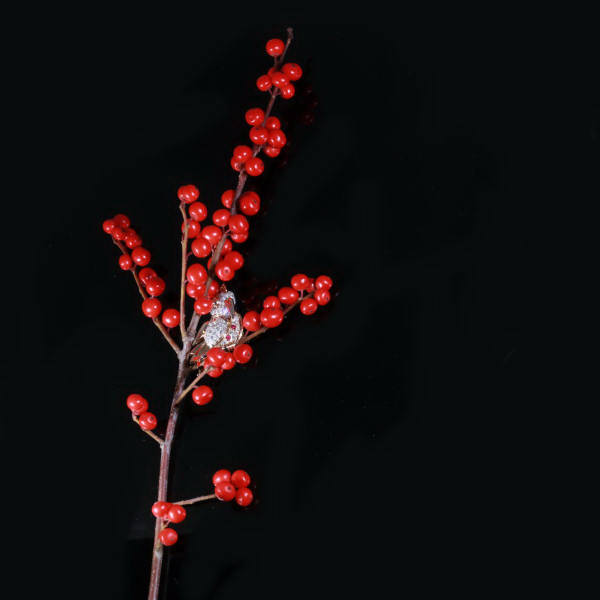
Parrots have featured in human writings, story, art, humor, religion and music for thousands of years. From the Roman poet Ovid's "The Dead Parrot" to Monty Python's Dead Parrot Sketch millennia later, parrots have existed in the consciousness of many cultures and have also been a source of inspiration for goldsmiths and jewelers all over the world. And although not hallmarked but just by the quality of the craftsmanship we believe this bejeweled birdie to be made by (or for) one of the better Haute Joaillerie Houses (high class jewelers) in France or Belgium.
"Modern Times"
now showing in The Garden of Adin

This time we present you a ring where, besides the country it was made, we even know the town it was made in. And to be even more precise we think this ring was made in the year 1679.
In many countries in Europe guilds guaranteed the integrity of the jewelry trades. They appointed assay-masters to control the objects made of precious metals checking if the right alloy was used. It is by the hallmarks that we can "read" that the ring was made in Amsterdam in the Netherlands (Holland) some 331 years ago.
Magnificent Art Nouveau Sunset
in The Garden of Adin
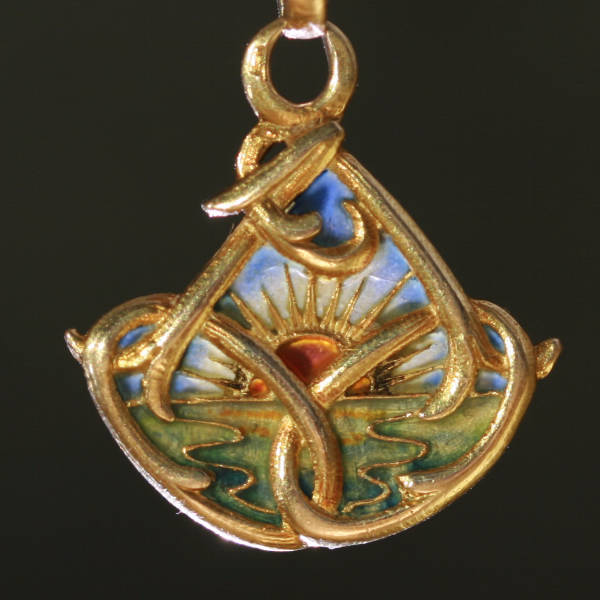
One of the nicest little pendants with plique a jour enamel we have ever seen. French Art Nouveau (ca. 1895-1905) as only the French can make it, refined, tasteful and of superb quality. Too bad we couldn't decipher the remains of the mastermark but we wouldn't be surprised if this beauty was made by one of the famous French jewelers.
Plique-à-jour, (French for "braid letting in daylight") is a vitreous enamelling technique where the enamel is applied in cells, similar to cloisonné, but with no backing in the final product, so light can shine through the transparent or translucent enamel. It has a stained-glass like appearance and is considered very challanging technically.
Find the differences
(picture hunt game by Adin)
 |
 |
(Click on either picture to get to its descriptive page)
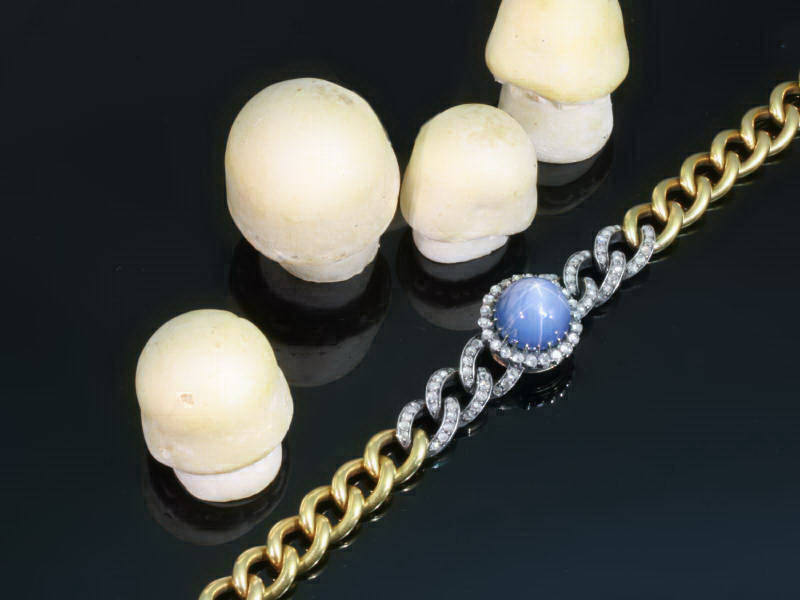
Two "Haute Joaillerie" bracelets made by Léon Gariod. This company was established by Gaucher and Tonnelier in 1859. Gaucher became the sole owner in 1869 and started a partnership with Gariod in 1875 who took over the company in 1884. The company with its address in Rue St. Augustin 29 in Paris became specialized in articulated bracelets and mat gold chains with precious stones.
Giving candy as treat is not cool
(better go to Adin to satisfy the Halloween ghoul)
HAPPY HALLOWEEN !
Conspiracy hunters of all countries, unite!
 |
 |
Before you start reading we apologize for a longer mail than normal but we think it's worth it. So make yourself comfortable, read and enjoy!
"To Whom It May Concern,
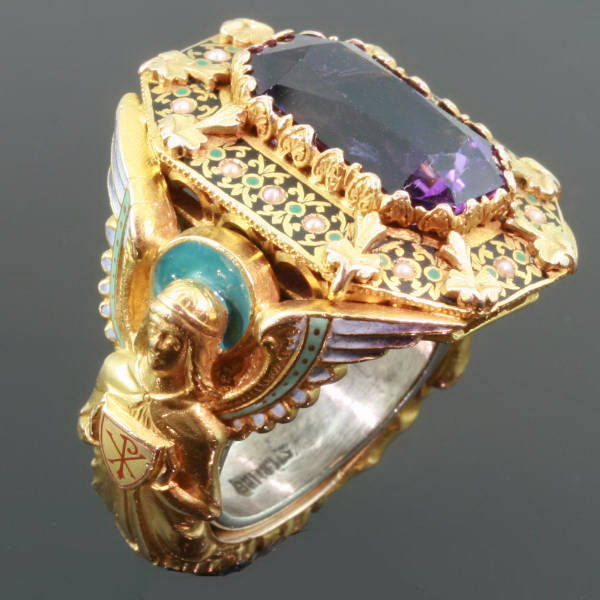
I am writing in reference to the Gold Victorian Bishops Ring (Reference Nº: 09360-4341 ) you have shown on your website. From the lack of information you have on the ring I assume you know little of it? I on the other hand do know the significant provenance of the ring.
The ring was commisioned for my great grandfather in 1869 by, the then Roman Catholic Bishop of Paris, Georges Darboy. My great grandfather, I will not disclose his name for personal reasons, was both a member of Dutch and English aristocracy. Dutch by birth and English through marriage. Georges Darboy is one of the most prominent of all the Bishops of Paris, he was an ostentatious man and held his differences with the Pope as to hid infallibility. My great grandfather and Darboy were close friends, often visiting and hunting with one another.
The ring was made during the Franco-Prussian war as a gift to my great grandfather for funding the rebuild of a significant church or chapel (I am unsure of which) in the Paris region after it is was devastated by fire years before. My great grandfather also gifted a number of relics from his private collection to the Bishop over the years before his death.
When the ring was originally made the stone it housed was a Sapphire. By all the accounts the stone was an exception example - nearly flawless and of magnificant colour. Queen Victoria herself admired the stone in a letter to my great grandmother. Unfortunately the sapphire was accidentaly broken some years later and replaced by the current stone. We still have three rather large stones that were cut from the original broken sapphire. We also have a portrait of my great grandfather wearing the ring in 1887 with the original sapphire.
Georges Darboy was killed in Paris by the Communards during their takeover of Paris in 1871.
The ring passed to my grandfather and then onto my father. It was left accidentally in the Netherlands upon my fathers escape to England upon the Nazi invasion of the Netherlands. The ring was never seen again. It is great to see that it survived the war and subsequent years.
Unto the ring itself, the Chi-Rho is indeed a Chir-Rho but also the representation of the latin word PAX, meaning 'peace'. Darboy expressed this as his wish for peace between France and Prussia. The initials are that of my great grandfather. The inner ring with the wolf does not have any connection to the Jesuits. Neither Darboy or my great grandfather had a connection to the Jesuits. The wolf ring was made shortly after the main ring to fit my great grandfathers finger without gloves - this way he could wear it to mass. The wolf itself represents the nickname of my great grandfather.
Sadly, I am not in a position to purchase the ring but I would appreciate that the provenance of the ring be passed onto the person that does purchase the stone. I do not mind you providing this information on your website as long as no reference to myself or family are made with it.
Kind regards, *******"
We thought so too, but to make this long and interesting story even more interesting, we invite you to visit the describing page of this ring, where we pasted the same story but added a link that will please the conspiracy hunters among our customers.
Enjoy!
Traces of noble peacock
in the Garden of Adin
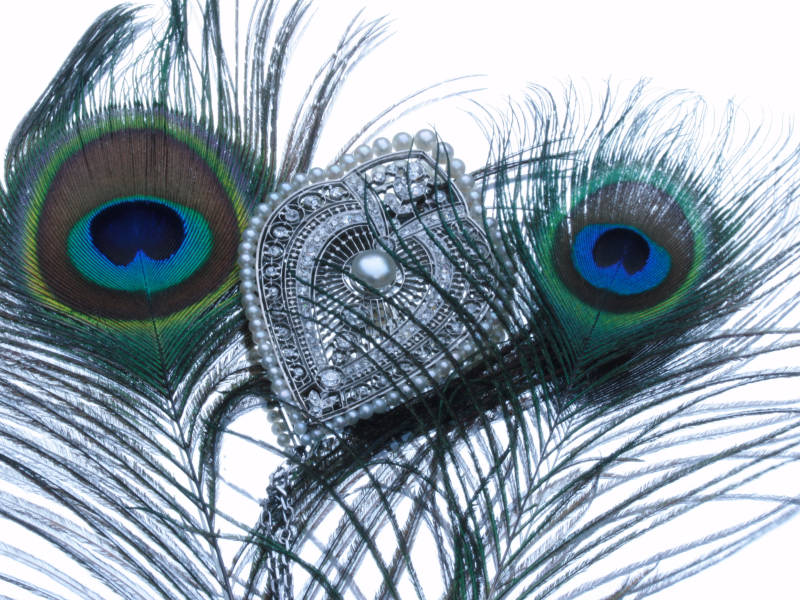 |
Early this week, while prowling the fairylike Garden of Adin in Antwerp, Belgium, the Gardener found a bejeweled feather. Although not proven by hard facts yet the Gardener suspects this to be of a new peacock species. We'll keep you updated!
A true miracle
in the Garden of Adin!
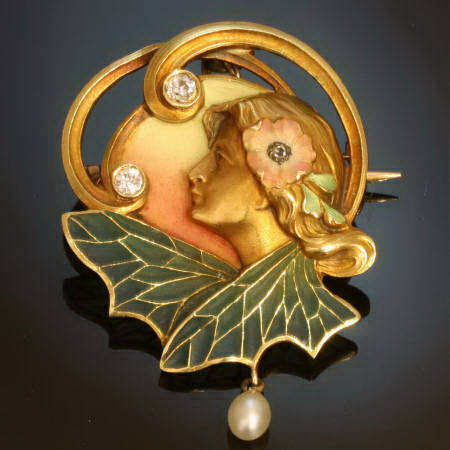 |
Last Thursday around noon, while studying jewelry books on Art Nouveau jewelry, we discussed a piece that was pictured in it. Then, out of the blue, about half an hour later, a couple walked into our store and offered us that specific jewel! We didn't have to think twice to add this beauty to our collection. A real Garden of Adin miracle!
Bacchus spotted
in the Garden of Adin!
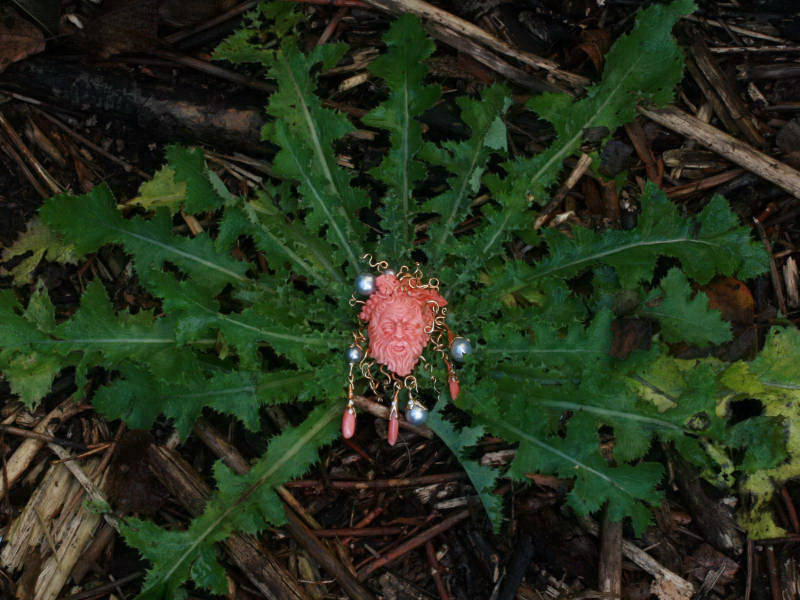 |
Antwerp, October 03 (Reuters) — Botanists at Adin, Antwerp - Belgium have just announced the discovery of a new plant species in a remote area in The Garden of Adin. They say this underscores the importance of conservation efforts in the ancient tropical forests of the region. Lead author and researcher Elkan Wijnberg at Adin Antique Jewelry suggested that it will be named “Runco Adinus Solis Viridis Bacchus”
According to Adin experts, the species is at risk from extraction. However, local authorities -- in particular the Garden of Adin Forest Protection Department -- have committed to conserve and sustainably manage this valuable plant (and will only sell it to the true collector).
Fairylike Elf Couches
in the Garden of Adin
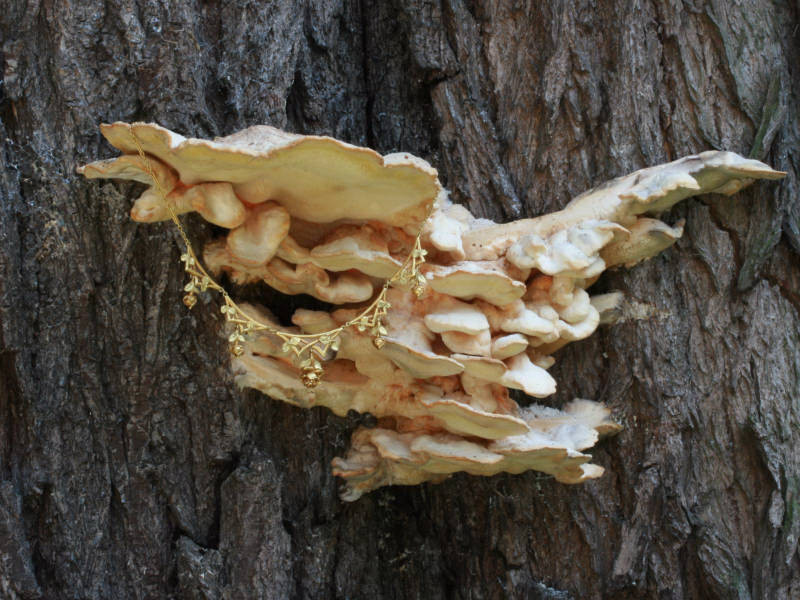 |
Turkey tails (in Latin: "Trametes versicolor" and in Dutch "Elfenbankje" which means "Couch for elfs") is an extremely common polypore mushroom which can be found throughout the world and thus also in The Garden of Adin.
Versicolor means 'of several colours' and it is true that this mushroom is found in a wide variety of different colours and shapes. Therefor to local experts it was no surprise that the Gardener of Adin came upon this beauty here. A picture was taken to share the true beauty of this miracle of Mother Nature with you.
Look and enjoy!
Recipes d'Amour
Nuts for Antique Jewelry
 |
La nouvelle cuisine d'Adin
proudly presents:
Adin Coconut Soup
Ingredients
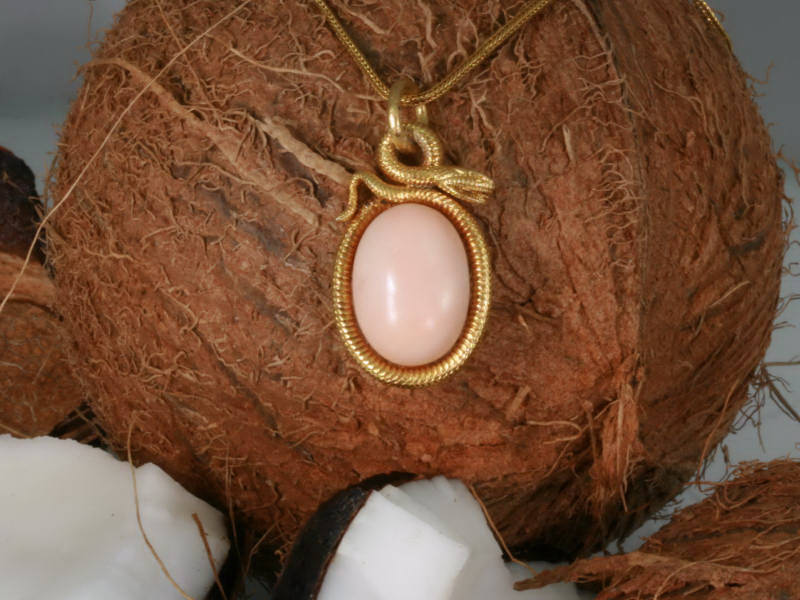
* 1 piece of Adin antique jewelry
* one onion
* 2½ cup vegetable stock
* 400ml coconut milk
* 2 tablespoons fresh lemon juice
* 2 tablespoons tamari
* 2 tablespoons brown sugar
* ¼ cup fresh grated ginger
* juice and zest of 1 lime
* chilli paste to taste
Method:
Cut up the onion and fry in olive oil in a large saucepan.
Add the stock, ginger, lime juice, lime zest, lemon juice, tamari, brown sugar, and chili paste.
Bring it to boil.
Reduce heat, dissolving sugar (2 to 3 minutes).
Add coconut milk and simmer for 5 minutes.
Serve:
Serve hot.
Eat and only then give the piece of Adin Antique Jewelry as present to your beloved one.
(Hence the name of this recipe: "Nuts for Antique Jewelry".)
Preparation time: ca. 30 min
Grade of difficulty: easy
Grade of success with your present: immeasurable
Recipes d'Amour
Sweet, Sour and Beautiful
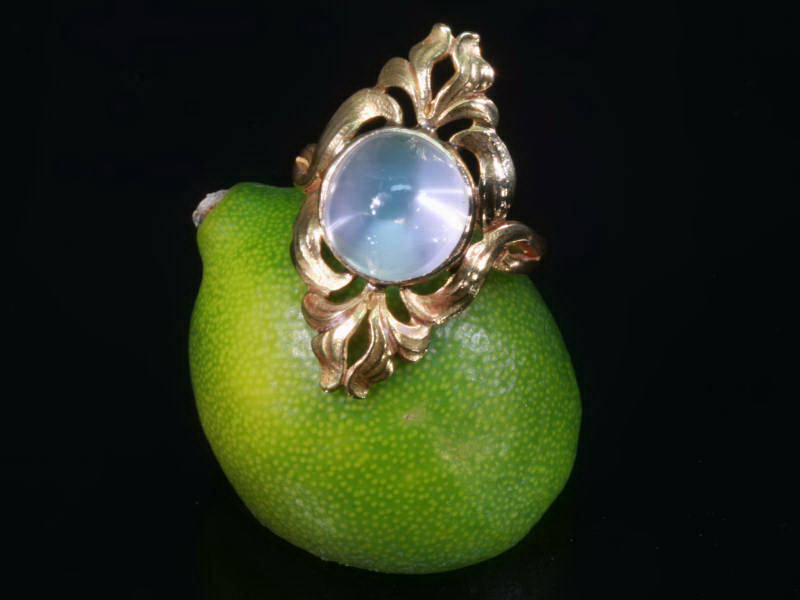 |
La nouvelle cuisine d'Adin
proudly presents:
Cumquat Marmelade
Ingredients
* 1 Adin antique ring
* 24 green cumquats
* 2 oranges
* ca. 2kg (10 cups) sugar
* juice of 2 lemons
* ca. 2 litres (8 cups) water
Method
Take the Adin antique ring from your finger.
Remove pips from cumquats and oranges, chop them and combine together in a bowl. Using a mug, measure them into a large saucepan. Add 3 mugs of water per each mug of fruit. Let stand in a cool place for 12 hours (or overnight)
Bring the fruit mixture to the boil, reduce heat and simmer until the rind is very tender. Remove from heat and measure cooked fruit. Add one mug of sugar to the pan for every mug of the fruit mixture. Mix in the lemon juice, about 3 tablespoons.
Return the fruit to the pan, and bring to the boil once again. Boil, stirring occasionally, until the gel stage is reached (the temperature of the marmalade should be about 105 C when checked with a kitchen thermometer.) Remove from heat, and skim foam from the surface.
Transfer the mixture to sterile jars, leaving a bit of headspace, and seal immediately. Process any unsealed jars in a water bath. Refrigerate after seal has been broken.
Put the Adin antique ring back on your finger.
Preparation time: ca. 75 min
Grade of difficulty: easy
Calories per portion: absolutely
If I had a rose,
for every time I thought of you...
I'd be picking roses for a lifetime.
 |
Art Deco bracelet
Antique jewelry object group: bracelets
Country of origin: Although it does not carry any legible control marks we believe this to be of Belgian origin.
Style: Art Deco
Style specifics: Abstract motives and geometrical forms are quite typical for the Art Deco period.
Period: ca. 1920
Material: platinum
Diamonds: Three old mine brilliant cut diamonds with a total estimated weight of approx. 0.85 crt. , 54 old mine brilliant cut diamonds with a total estimated weight of approx. 3.50 crt.
and 12 rose cut diamonds. We do not have the weight of the diamonds which is normal in our trade when it comes to rose cuts.
Note: All diamond weights, color grades and clarity are approximate since the stones were not removed from their mounts to preserve the integrity of the setting.
Total diamond weight: approx. 4.35 crt. (without the rose cut diamonds)
Precious stones: Many little carre and baguette cut onyx stones
Birthstones: Diamond is the birthstone (or month stone) for April and onyx for July.
Hallmarks: No trace
Condition: excellent condition
Dimensions: length 17.80 cm (7.01 inch)
Weight: 12.40 gram (7.97 dwt)
Reference Nº: 10103-4295
Let's write it in the book of love!
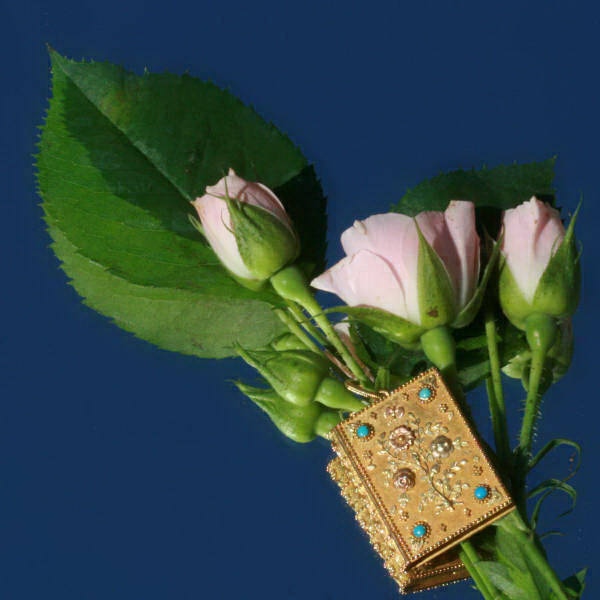 |
Georgian gold love pendant
Look what we found! A truly magnificent Georgian (the era before the Victorian period) gold love pendant with forget-me-nots and roses in the shape of a book. Inside there is a compartment where still a lock of hair is kept. On the outside of the locket on both sides we see a little bouquet of flowers, roses and forget-me-nots and when looking close we can even recognize a little butterfly.
Antique jewelry object group: lockets and pendants
Country of origin: France
Style: Georgian
Period: ca. 1820
Source of inspiration: Mother nature (see also flower symbolism)
Theme: book
Material: 18K tri-color (red, yellow, green) gold
Technique: Granulation is a technique where the goldsmith uses very small balls (granules) of metal, which are not soldered to the piece but welded. This technique demand very high skills and precision from the maker.
Extra information: Although not certain, the light blue color used in this jewel could refer to the color of the forget-me-not flower, a popular color used among lovers.
Precious stones: eight turquoises
Birthstones: Turquoise is the birthstone (or month stone) for December.
Hallmarks: The French control mark representing an ram's head that was in use in France from about 1817.
Condition: excellent condition
Dimensions: 3.04 cm (1.20 inch) x 2.42 cm (0.95 inch)
Weight: 19.80 gram (12.73 dwt)
Reference Nº: 10165-0470
Heavenly tranquilizer
from the Garden of Adin
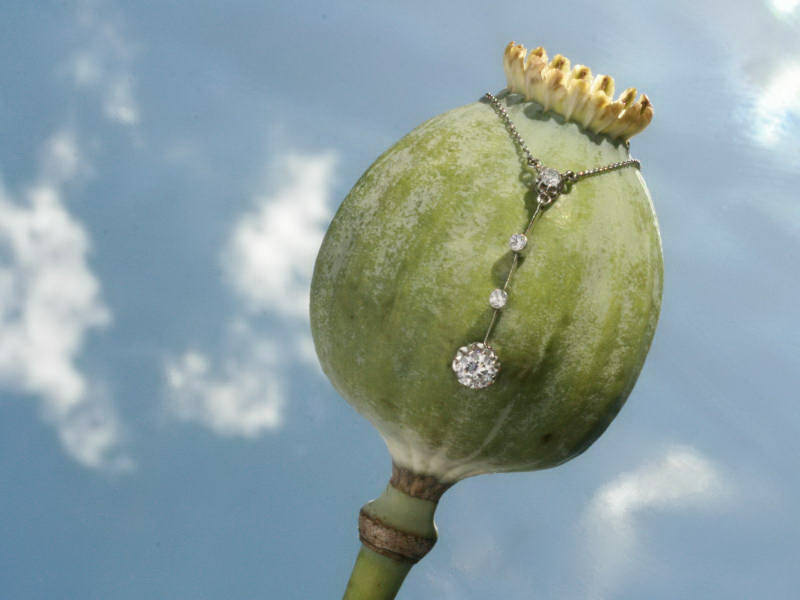 |
Charming Art Deco diamond platinum pendant
Antique jewelry object group: pendants
Country of origin: Although it does not carry any legible control marks we believe this to be of Belgian origin.
Style: Art Deco
Period: ca. 1920
Material: platinum
Diamonds: One old brilliant cut diamond with an estimated weight of approx. 0.50 crt. and three old mine brilliant cut diamonds with a total estimated weight of approx. 0.22 crt.
Total diamond weight: approx. 0.72 crt.
Birthstones: Diamond is the birthstone (or month stone) for April.
Condition: excellent condition
Dimensions: height pendant 3.57 cm (1.41 inch), length necklace 33.00 cm (12.99 inch)
Weight: 3.50 gram (2.25 dwt)
Reference Nº: 09306-4275
Recipes d'Amour
The "oh la la" soup
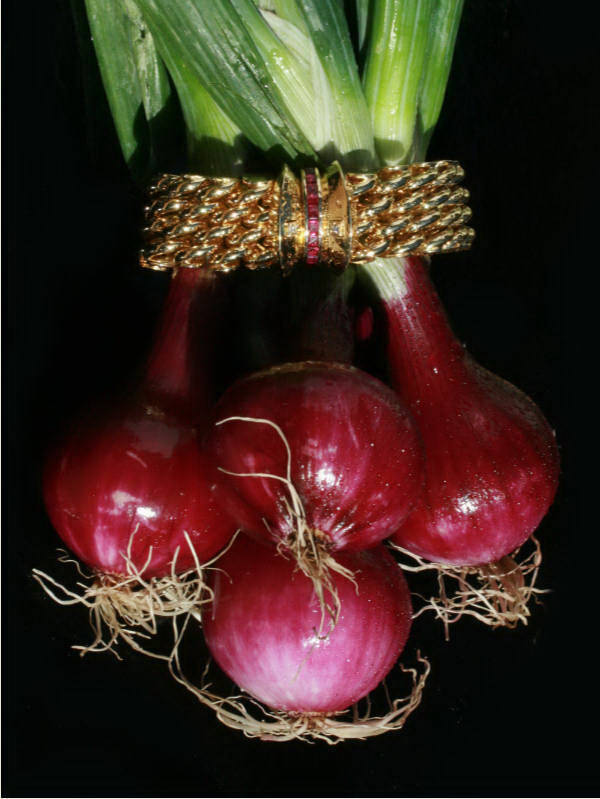 |
La nouvelle cuisine d'Adin
proudly presents:
Onion Summer Bracelet Soup
The secret trick to the great Adin French Onion Summer Bracelet Soup is starting with good beef stock. Another important point of attention is the proper caramelization of the onions. Caramelizing onions take at least half an hour of slow cooking the onions over medium high heat. The browning (or caramelizing) of the onions brings out the sweetness in them.
Ingredients
* 6 large red (or yellow) onions, peeled and thinly sliced.
* Olive oil
* 1/4 teaspoon of sugar
* 2 cloves garlic, minced
* 8 cups of beef stock, chicken stock, or a combination of the two
* 1/2 cup of dry vermouth or dry white wine
* 1 bay leaf
* 1/4 teaspoon of dry thyme
* Salt and pepper
* 8 slices of toasted French bread
* 1 1/2 cups of grated Swiss Gruyere with a little grated Parmesan cheese
* one antique bracelet (a nice estate or vintage bracelet can do too)
Method
1) Put on the bracelet before you start cooking.
2) Sauté the onions in the olive oil in a large saucepan on medium high heat until well browned (not burned!) about half an hour (or longer). Add the sugar about 10 minutes into the process to help with the carmelization.
3) Add garlic and sauté for 1 minute. Then add the stock, vermouth (or wine), bay leaf, and thyme. Cover partially and simmer until the flavors are well blended, for another 30 minutes. Season to taste with salt and pepper and take out
the bay leaf.
4) Serve either in individual oven-proof soup bowls or one large casserole dish. Ladle the soup into the bowls or casserole dish, cover with the toast and sprinkle with cheese.
Put under the broiler for 10 minutes at 180 degrees Celcius (350 degrees Fahrenheit), or until the cheese bubbles and is slightly browned. Serve immediately.
Reason for the bracelet in this recipe?
Why not? Any reason to wear antique and estate jewelry is a good one.
Preparation time: ca. 75 min
Grade of difficulty: easy
Calories per portion: definitely
Click here for all our antique jewelry that can be worn during cooking.
Recipes d'Amour
How do you like your eggs in the morning?
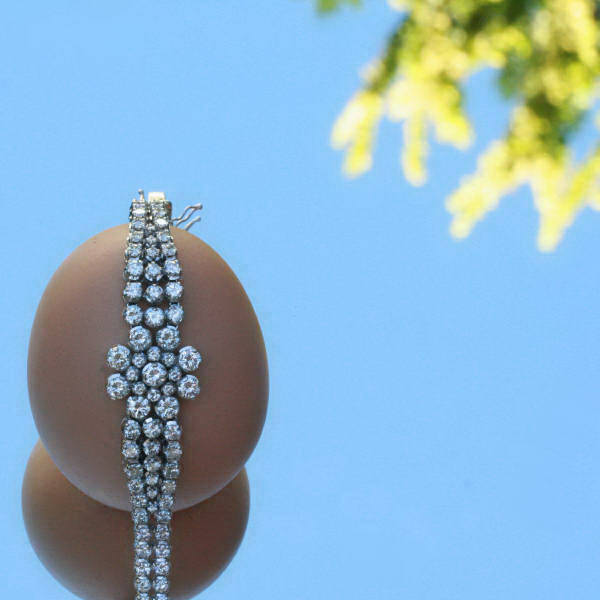 |
"La nouvelle cuisine d'Adin"
proudly presents:
A successful egg recipe
Ingredients:
1 egg
1 estate bracelet
Method:
boil egg for 3 to 5 minutes
Serve:
Hot or cold with bracelet decorated around it.
Preparation time: ca. 5 min
Grade of difficulty: easy
| Nutrition Facts | |
| Serving Size 1 large | |
| Amount Per Serving | |
| Calories 77 | Calories from Fat 48 |
| % Daily Value * | |
| Total Fat 5.28g | 8% |
| Saturated Fat 1.627g | 8% |
| Polyunsaturated Fat 0.704g | |
| Monounsaturated Fat 2.03g | |
| Cholesterol 211mg | 70% |
| Sodium 139mg | 6% |
| Total Carbohydrate 0.56g | 0% |
| Sugars 0.56g | |
| Protein 6.26g | |
| Vitamin A | 0% |
| Vitamin C | 0% |
| Calcium | 2% |
| White Gold 27.1g | 75% |
| Diamonds 245 pcs | 10.34 crt |
| Aesthetics | 100% |
| * Percent Daily Values are based on an average diet. Your daily values may be higher or lower depending on your jewelry needs. | |
Click here for all our bracelets that can be used as decoration.
Recipes d'Amour
Broche à l'orange
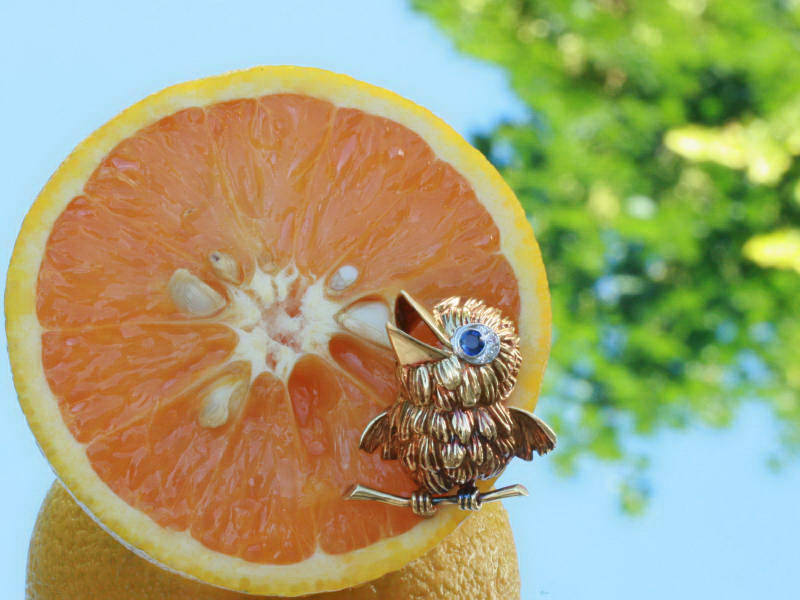 |
"La nouvelle cuisine d'Adin"
proudly presents:
Brooch with freshly squeezed orange juice
Ingredients:
some oranges
1 Adin estate brooch (can be antique too)
Method:
cut oranges in half
squeeze oranges until all juice is drained out
Serve:
Best cold in glas with brooch in gift box aside.
Preparation time: ca. 5 min
Grade of difficulty: easy
| Nutrition Facts | |
| Serving Size 249 g | |
| Amount Per Serving | |
| Calories 112 | Calories from Fat 1 |
| % Daily Value * | |
| Total Fat 0g | 0% |
| Saturated Fat 0g | 0% |
| Trans Fat | |
| Cholesterol 0mg | 0% |
| Sodium 2mg | 0% |
| Total Carbohydrate 27g | 9% |
| Dietary Fiber 0g | 0% |
| Sugars 21g | |
| Protein 2g | |
| Vitamin A | 5% |
| Vitamin C | 161% |
| Calcium | 2% |
| Gold | 75% |
| Diamonds | 6% |
| Aesthetics | 100% |
| * Percent Daily Values are based on an average diet. Your daily values may be higher or lower depending on your jewelry needs. | |
Click here for all our bird brooches that can be used to decorate your orange juice.
So sorry dear,
I couldn't get you nicer flowers!
(but I think the wrapping band makes up for it a bit)
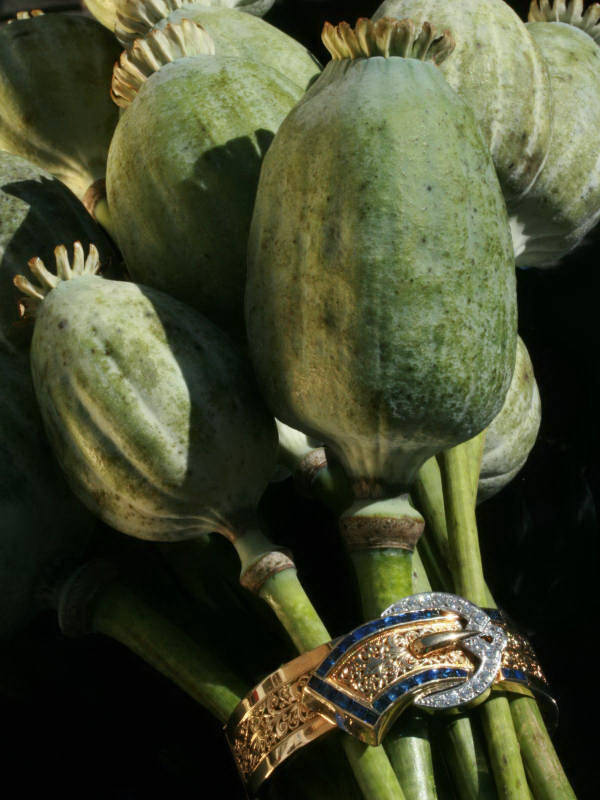 |
Decorative Art Retro/Fifties gold bangle
set with diamonds and sapphires.
Country of origin: Belgium
Style: Something between Art Retro and Fifties (of the twentieth century)
Style specifics: Retro Style is a recent designation for the period in the forties when large scale, stylized geometric forms, drapes, bows or ribbons were all the rage. Pink Gold, set with colored stones, sometimes in
floral forms was common. But this type of jewelry is also very specific for the fifties of the twenthieth century.
Period: ca. 1950
Theme: belt
Material: platinum and 18K yellow gold
Diamonds: 16 semi-modern brilliant cut diamonds with a total estimated weight of approx. 1.28 crt. Their cut is semi-modern as the stones are polished around 1950 which means that although to today's standards they are
considered to be modern brilliant cuts, their cullet (the point at the bottom) are still polished flat. Three single brilliant cut diamonds (also called 8/8) with a total estimated weight of approx. 0.12 crt.
Note: All diamond weights, color grades and clarity are approximate since the stones were not removed from their mounts to preserve the integrity of the setting.
Total diamond weight: approx. 1.40 crt.
Precious stones: 25 sapphires
Birthstones: Diamond is the birthstone (or month stone) for April and sapphire for September.
Hallmarks: "950pt" indicating a platinum alloy of 95%, 750 indicating 18K gold and the outer shape of the master mark is in the shape of a barrel and was taken in use in Belgium since 1952.
Condition: excellent condition
Dimensions: inner circumference 19.50 cm (7.68 inch)
Weight: 52.00 gram (33.44 dwt)
Reference Nº: 10105-4294
Recipes d'Amour
with vitamin boosters from the Garden of Adin
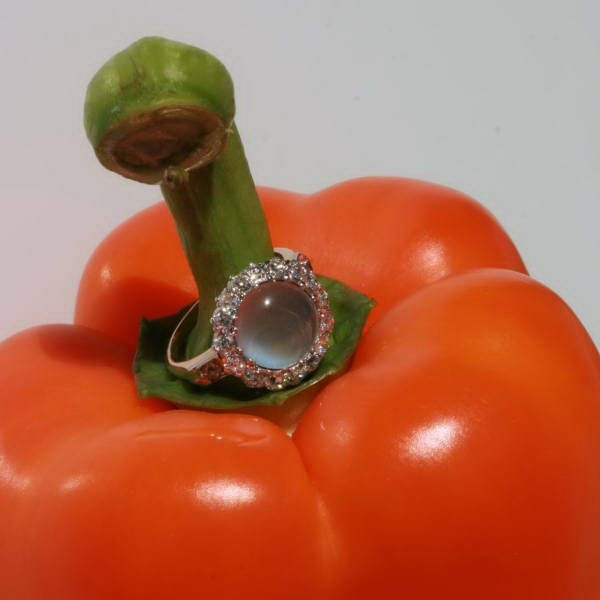 |
Orange Paprika Summer Soup
Ingredients:
1 kilo orange paprika's
½ kilo carrots
little bulb fresh ginger
one onion
poultry stock
For decoration:
sour cream
fresh chervil
as many antique rings as you wish
Method:
process the paprika, carrots and ginger through a juice extractor
cut up the onion and fry in olive oil
add the juice and stock
(no need to add water)
boil for a bit
spice up with salt, pepper and a pinch of cayenne pepper
Serve:
Hot or cold with sour cream and chervil on top and antique ring(s) aside.
Enjoy!
Preparation time: ca. 45 min
Grade of difficulty: easy
Calories per portion: probably
Click here for all our antique rings that can be used as decoration.
Summer in the Garden of Adin
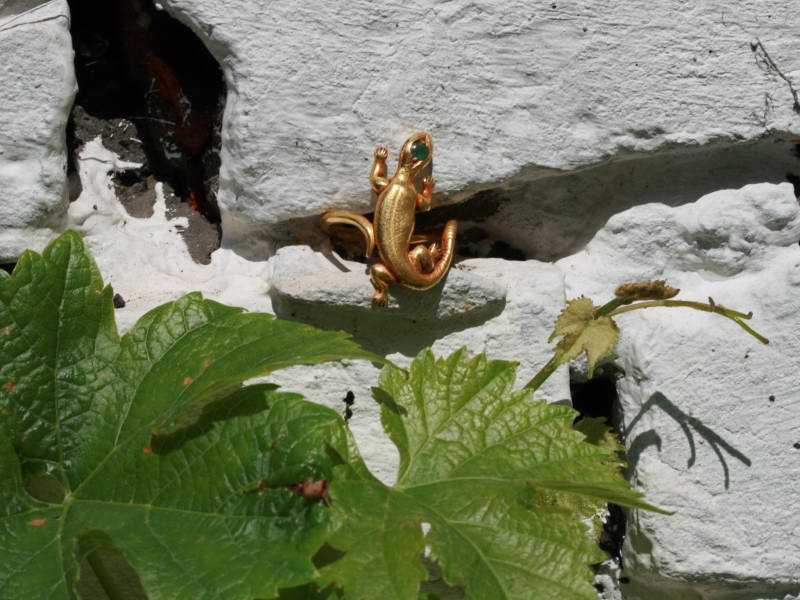 |
“Precisely the least, the softest, lightest,
a lizard's rustling,
a breath, a flash, a moment...
a little makes the way of the best happiness.”
(Friedrich Nietzsche 1844-1900)
Art Deco jewelry at Adin
 |
At Adin you will find many nice examples of Art Deco jewelry like this platinum, diamond and sapphire ring. The Art Deco style is a very famous and popular art movement that had a lot influence in the world of jewelry. Art Deco was introduced in the 1920s and ended in the 1930s.
The style emphasized a very abstract design with geometric patterns. The carre, baguette and emerald-cuts, which had been developed in the nineteenth century, where very popular in the 1920s because they blended so much with the geometrical lines of the Art Deco style. Most of the Art Deco jewelry has a very luxury design. Nowadays you can see that Art Deco style has still great influence on our designing in all kind of branches.
High tech antique jewelry dealers
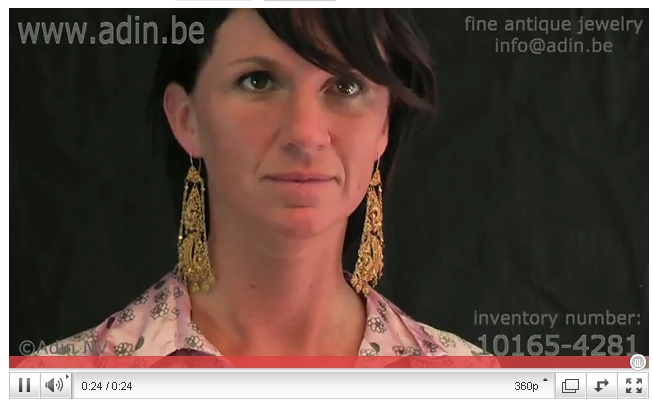 |
Many of our dear customers who are into antique jewelry are not necessarily high tech gadget aficionados. It is for them that this mailing is meant. We would like to explain just a little bit what you can do with the movies you will find more and more on the www.adin.be website.
Movies are available in several resolutions up to HD (High Definition). Default we will show the lowest resolution (360p).
You can change the resolution yourself to a higher by just clicking on this button:
 that you will find in the right down corner of the place of the movie.
You can also choose to make the movie screen filling by using this button:
that you will find in the right down corner of the place of the movie.
You can also choose to make the movie screen filling by using this button:
 that you will also find in the right lower corner.
And of course you can play the movies over and over for as many times as you like.
that you will also find in the right lower corner.
And of course you can play the movies over and over for as many times as you like.
Click here for all the antique jewelry we already have movies from.
Garden of Adin's pollen count forecast
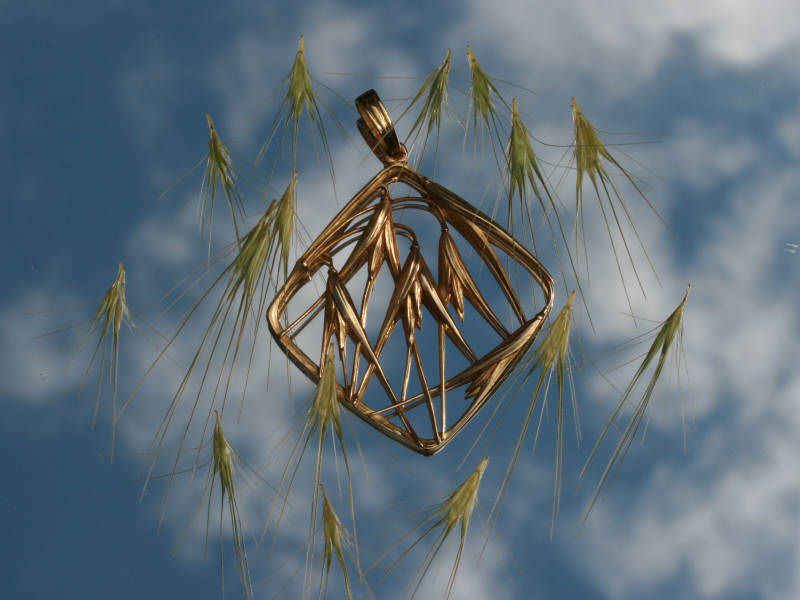 |
Pollen count begins to rise and the eyes will have it.
The quantity of pollen grains in the air of the Garden of Adin will be on the increase in the higher range. The cause for the rising pollen levels is unclear but an increase of this magnitude could make it more difficult for those with allergies to extreme nice estate jewelry.
Click here or the picture to go to the descriptive pages of this beauty.
Blooming beauties in the Garden of Adin
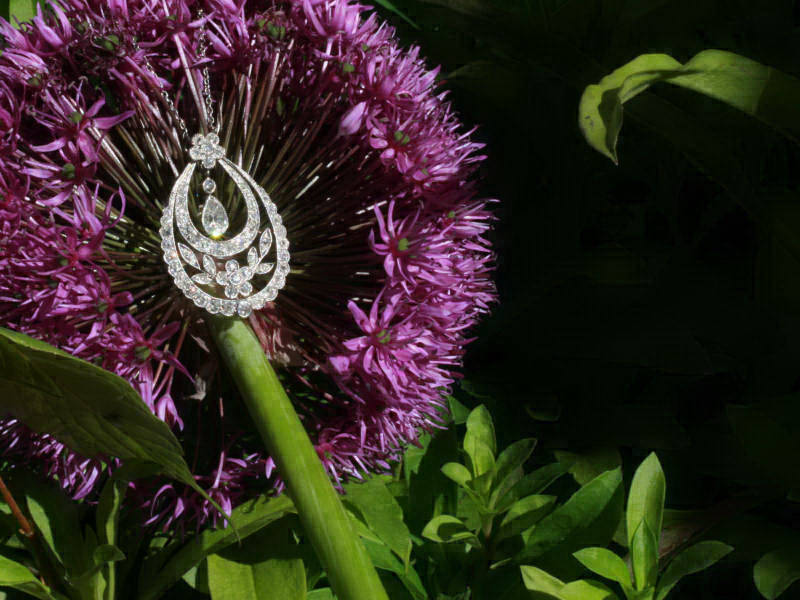 |
Platinum pendant with pear shaped diamond
Once upon a time,
in the Garden of Adin,
there was a flower so sublime,
shining with diamonds,
truly the Garderner's prime.
Proudly he acclaimed:
"This beauty can't stay unnamed!"
So he called it "Adin's beauty", unashamed.
We are sorry!
we can only make a few fathers happy this fathers day
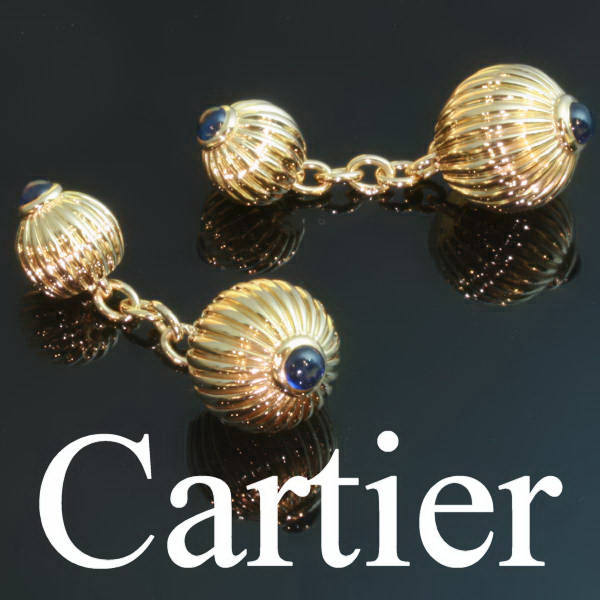 |
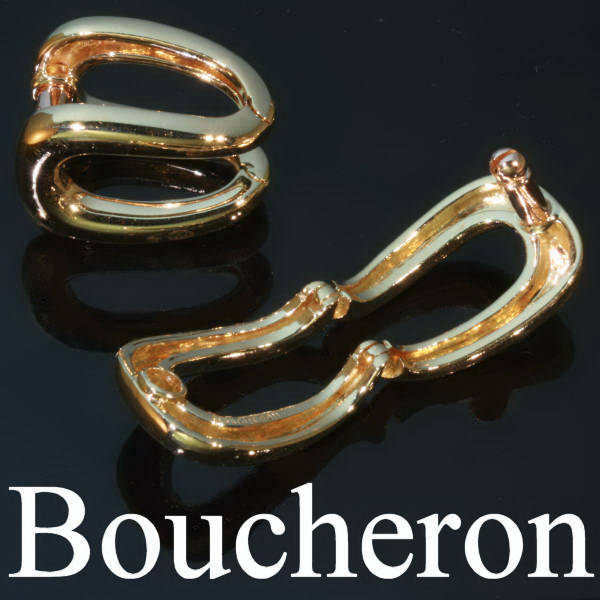 |
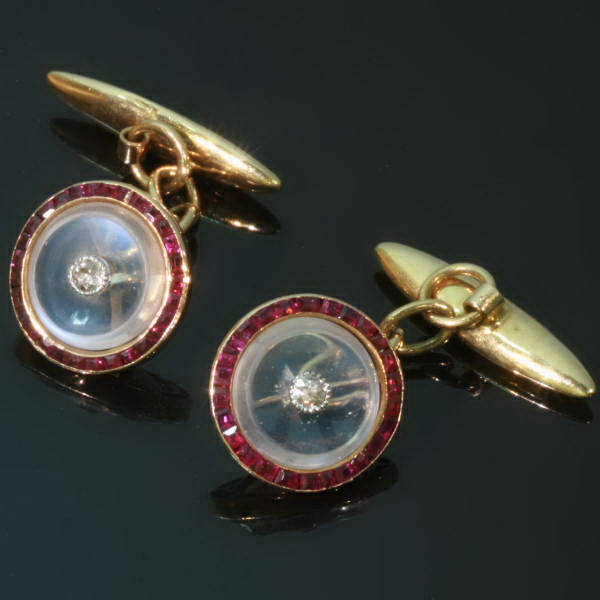 |
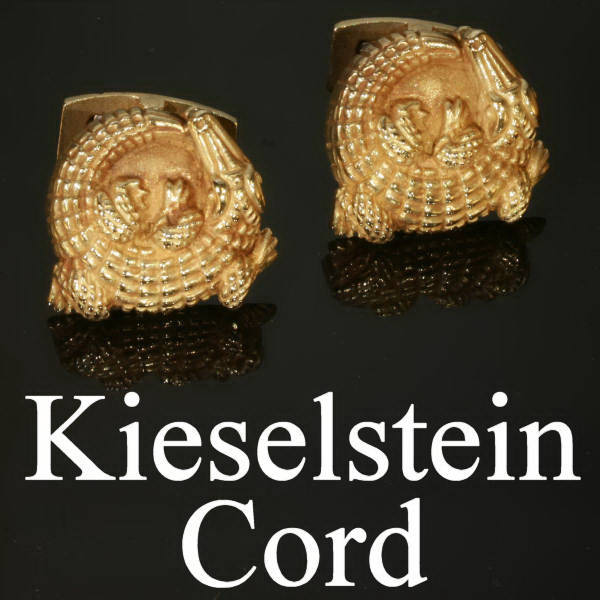 |
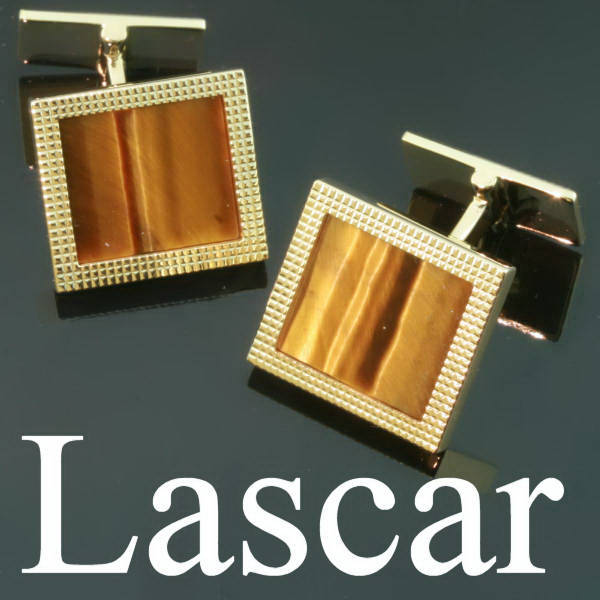 |
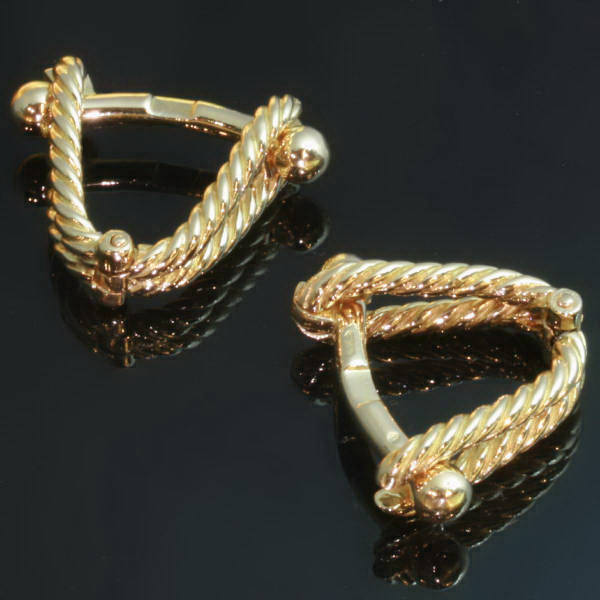 |
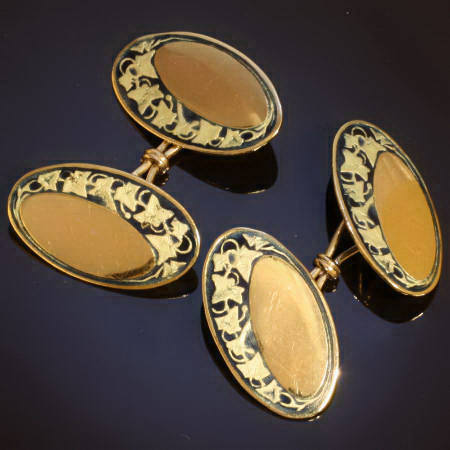 |
Happy |
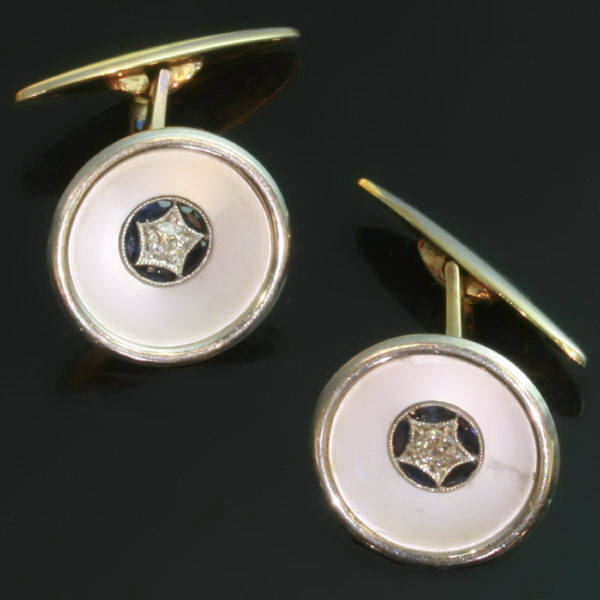 |
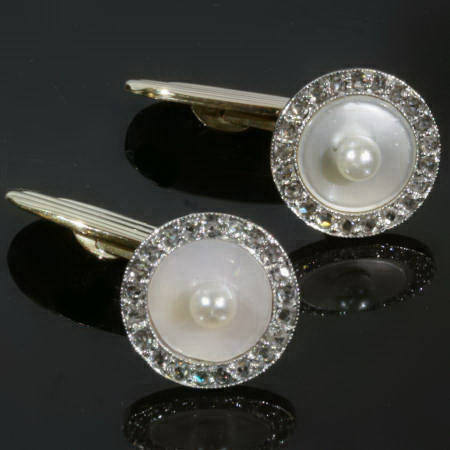 |
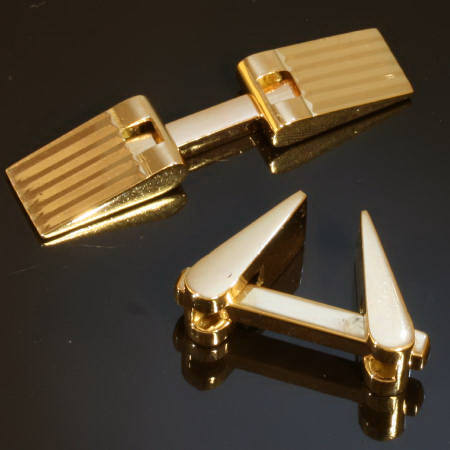 |
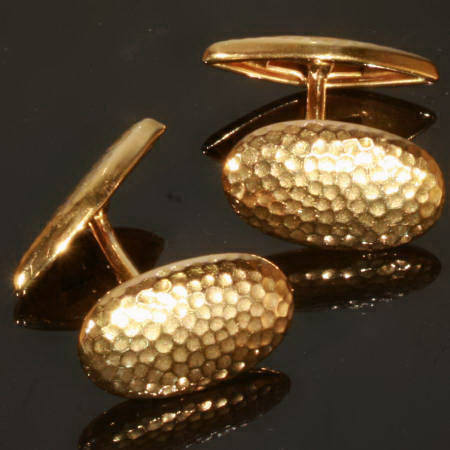 |
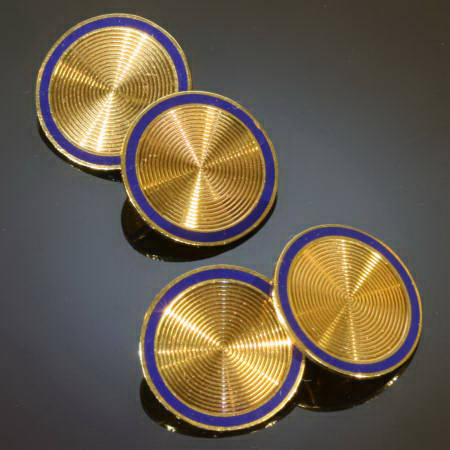 |
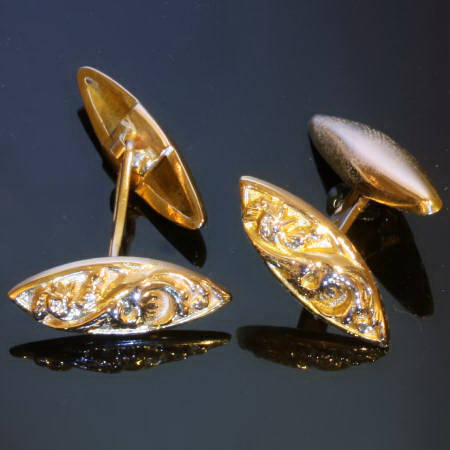 |
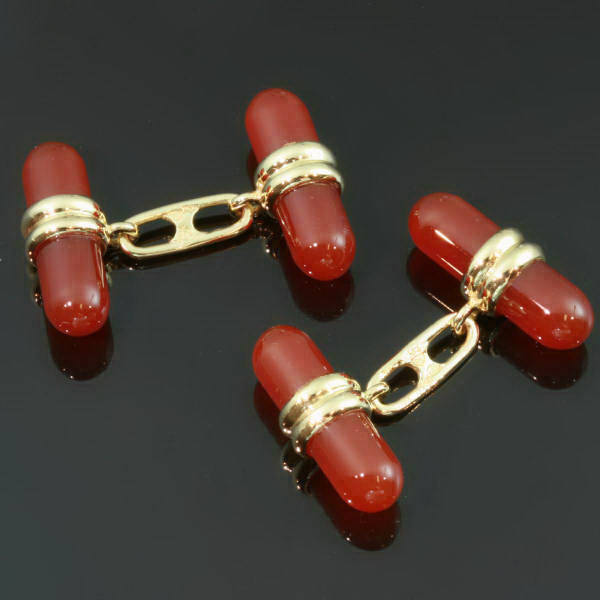 |
Click the pictures to go to the descriptive pages of the depicted cufflinks.
Adin goes Hollywood!
 |
 |
 |
 |
 |
 |
 |
Now |
 |
 |
 |
 |
 |
 |
 |
We have been busy updating our system so in the near future we will be able to present you movies of all our pieces. We are almost out of the testing phase but we already wanted to share our enthusiasm with you by sending you the URL's of the articles we already did.
Enjoy!
Click one of the images above to be directed to their describing pages with movie.
Original early Georg Jensen Jewelry!
 |
design Nº 54
Since Georg Jensen (1866-1935) founded his silversmith workshop in 1904, jewellery from the workshop has adhered to his motto: "Do not follow fashion, but be guided by the present if you want to stay young in the struggle". Ever since then, Georg Jensen's jewellery has reflected the period in which it was created. Just as the last century was distinguished by different periods, Georg Jensen's jewellery represents the different styles that appeared over the years.
Appearances can be deceptive
 |
 |
 |
Take these pieces of antique jewelry, nothing special you would say. And we would be the first to agree. But they do have something special, they are so called poison rings and bangle. Jewelry like this (mostly rings) have been used throughout history to carry perfume, locks of hair, devotional relics, messages and other keepsakes and even in a very rare occasion, poison.
It is thought that this type of jewelry originated in ancient days of the Far East and India where it replaced the practice of wearing keepsakes, talismans and other items in pouches around the neck. The wearing of these poison rings was so practical that it spread to other parts of Asia, the Middle East and the Mediterranean before reaching Western Europe in the Middle Ages. By then the rings were also part of the “holy relic trade.”
 |
 |
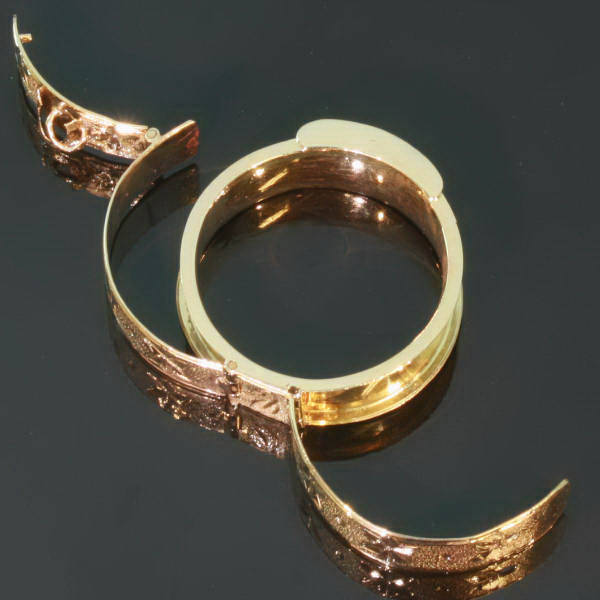 |
Click the pictures or here to see our jewelry with hidden spaces.
Pure Art Nouveau
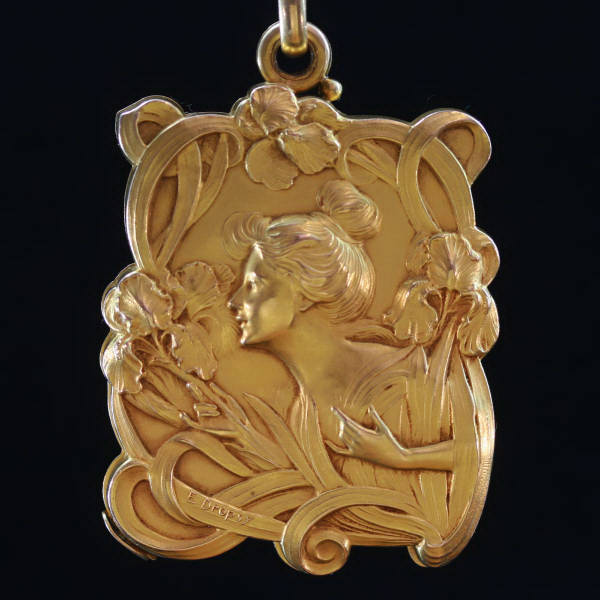 |
 |
 |
nothing more, nothing less
The name Art Nouveau most of us know but depending on the country the style has some different names. In Germany it was called "Jugendstil", after a magazine called Die Jugend (The Youth), in Holland "Slaoliestijl" (salad oil style) after an advertising for salad oil and in Italy "Floreale" or "Stile Liberty" (after the London store that featured it).
One of the joys of our métier is that every now and then we stumble upon a piece of absolute beauty. As was the case this week when the depicted Art Nouveau pendant was being offered to us. It's a sort of locket except there is no place for pictures because the original mirrors are still inside. Pure Art Nouveau, made in France, bigger then it appears on the picture (height 6.10 cm or 2.40 inch), fully signed E.Dropsy and of a quality that we hardly see. Look and enjoy!
Click the picture to read more about this fabulous piece of jewelry.
Museum director finds treasure
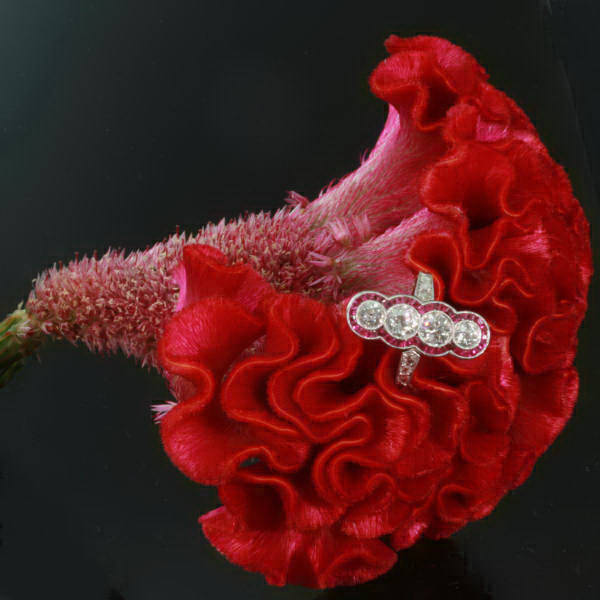 |
The “Four in a Row” dream ring
Once upon a time... in the Garden of Adin, a game was being played. The players, a gnome and a pixie, had several precious stones each, distinguished by color. They took turns in dropping these stones in one of the non-filled places by granting wishes that people dreamed. The pixie won by placing four brilliant cut diamonds consecutively in a line, which ended the game.
A recent American study has irrefutable concluded that the source of the so called "Four in a row" game has to be found in this Garden of Adin story.
When the ring was being offered, Mr. Elkan Wijnberg, conservator of the Adin Museum of Fairy Tale Artifacts, was there in a flash to preserve this “four in a row” dream ring for his museum where it is being offered in the museum-shop to its clientele.
Click the picture to read more about this fabulous "four in a row" dream ring.
New : Adin Wallpaper Gallery
 |
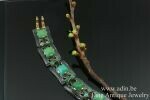 |
 |
 |
 |
 |
Because every desktop deserves a beautiful jewel
The Adin team is kindly offering you free wallpapers for your computer's desktop as a token of appreciation for your interest in our company.
Click one of the images above to be directed to our Wallpaper gallery.
The bird with the golden eggs
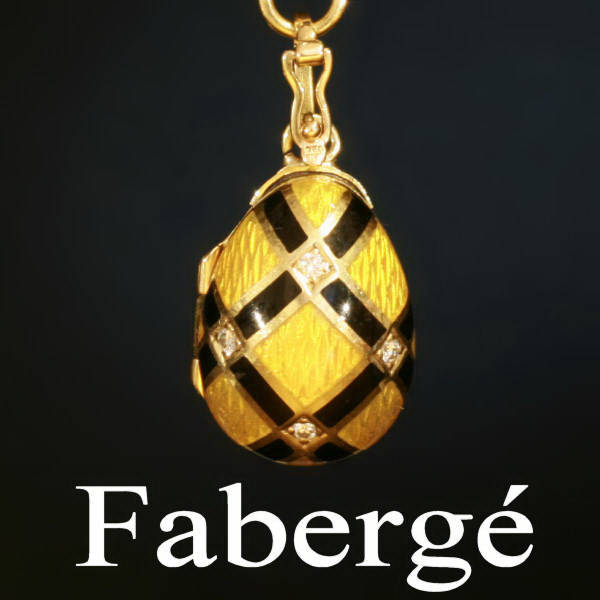 |
Easter in Garden of Adin
One day a countryman going to the nest of his goose found there an egg of pure gold. Every morning the same thing occurred, and he soon became rich by selling his eggs. As he grew rich he grew greedy; and thinking to get at once all the gold the goose could give, he killed it and opened it only to find, — nothing. (Æsop's fables, Sixth century B.C.)
The Gardener of Adin also has the good fortune to possess a bird which lays a golden egg every now and then. Lucky as he is, he read Æsop's fable which prevents him from being greedy and keeps him satisfied with what he has and hasn't. And any other farmer alike, the Gardener presents his eggs on the market where the Adin-followers have the possibility to purchase it.
First Plover's Egg found!
(in the Garden of Adin)
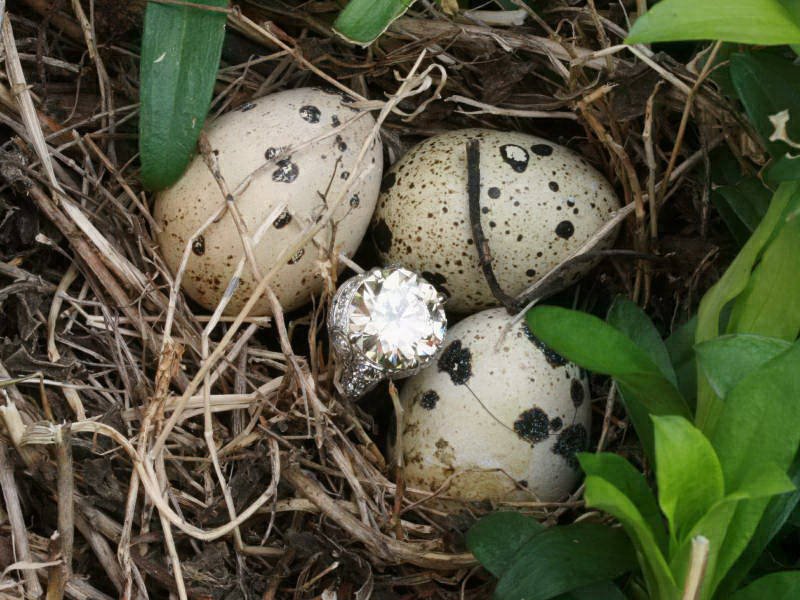 |
The sign of springtime!
ANTWERP, March 28 (Reuters) - In Friesland, the Northern part of Holland, it is an old tradition to offer the first found plover's egg in the springtime to the Queen. This first found egg (called in Dutch: "eerste kievitsei") is a symbol for the beginning of the springtime. So, still today although forbidden in the rest of Europe but allowed in Friesland on cultural historical grounds, people hunt for the first egg.
The Gardener of Adin, not aware of this yearly contest, stumbled upon a nest full of eggs when weeding the Garden of Adin, becoming the unintentional winner of this folkloric event.
The Adin Museum Of Fairy Tale Artifacts
proudly presents:
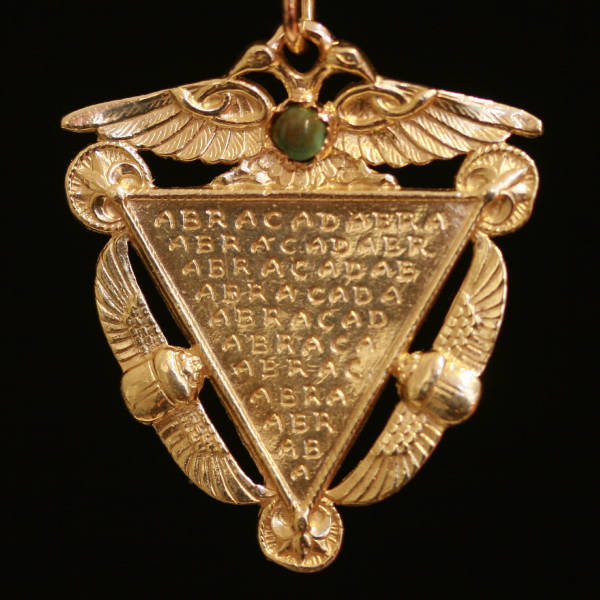 |
"The Magical Abracadabra pendant"
Once upon a time... a long long time ago, people used to hang a piece of parchment around their neck with the word Abracadabra written down in a triangular pattern to be protected from various diseases and to be cured of fever to lead the evil energy to the ground.
The first known mention of the word ABRACADABRA was in the 2nd century AD in a Roman poem called "De Medicina Praecepta". Abracadabra sounds as the Aramaic word “Abrahadabra” which roughly translates into "I will create as I speak." it could also derive from the Hebrew “Abreg ad hãbra” meaning “strike dead with thy lightning”.
On the other side of the pendant we can read "De vos mains grossières, Parmi des poussières, Écrivez, sorcières : Abracadabra" which translates to “Witches with your raugh hands, write in the dust : Abracadabra”. This is from a text from Victor Hugo's “Odes et ballades 14”. Victor Hugo is also the author of the famous “Les Miserables”.
This pendant is simply loaded with symbolism. We also can recognize a double headed bird and two flying scarabs. Not that we know the symbolic link with the turquoise that is used but we are pretty sure it has been used for some symbolic reason too.
The Adin Museum Of Fairy Tale Artifacts
proudly presents:
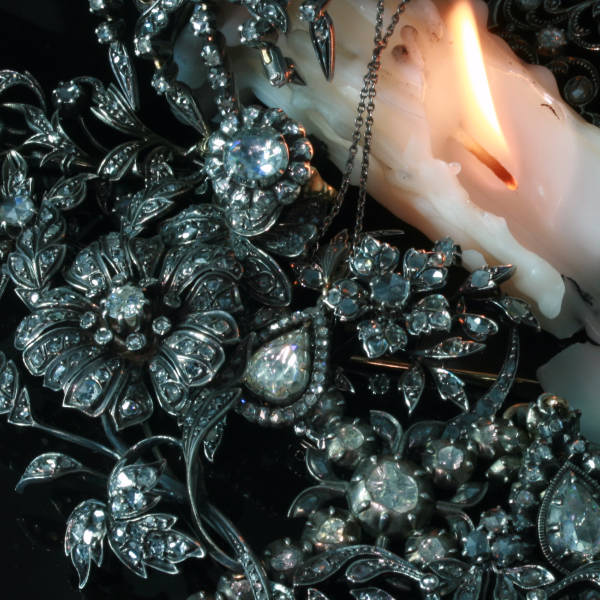 |
"Shining and glittering in the candlelight"
Once upon a time... a long long time ago, soirées (French for... "soirees") were illuminated by romantic glimmering candlelight, smelly oil lamps and asphyxiating smothering torches. And all the people were happy (deep sigh) and their pieces of jewelry set with rose cut diamonds were shining and sparkling as beautiful as can be...
To many antique jewelry experts, this is the reason why goldsmiths of those days used rose cut diamonds; so the jewels would sparkle better in the candle light. To prove this, the Adin Museum of Fairy Tale Artifacts is showcasing some of their rose cut diamond jewelry in a candlelight environment. There remains the question that in what other than the light of candles, oil lamps and torches rose cut diamonds had to sparkle, since there wasn't any electricity yet.
Click the picture to get to the Museum's collection of rose cut diamond jewelry.
The Adin Museum Of Fairy Tale Artifacts
proudly presents:
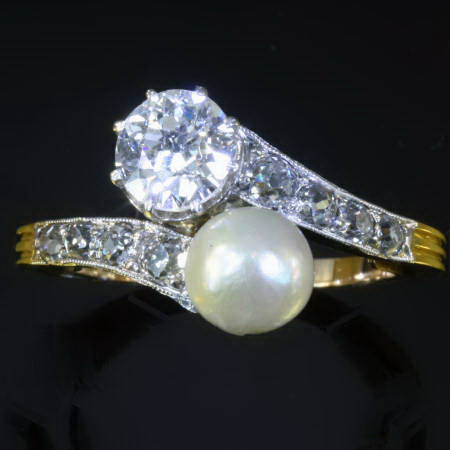 |
"The Romantic French"
Once upon a time... in the center of the world, in the center of the universe there was a country that, just for this story sake, we will call France. The people who lived there were romantic as can be. All the things they did had a certain “je ne sais quoi”. For example “love” they wouldn't simply call it “love” but they called it “amour”....awwwhhhh they were so romantic !
From this romantic perspective they invented a special shaped ring, reflecting the intense relationship between two people and they called this ring the “Toi et Moi”... (You and Me). It is not surprising that the Adin Museum of Fairy Tale Artifacts has been on the hunt to get these rings into its collection. And it is with great pride that we can show you this collection by clicking on the above depicted “Toi et Moi” ring.
Click the picture to get to the Museum's collection of "Toi and Moi" rings.
The Adin Museum Of Fairy Tale Artifacts
proudly presents:
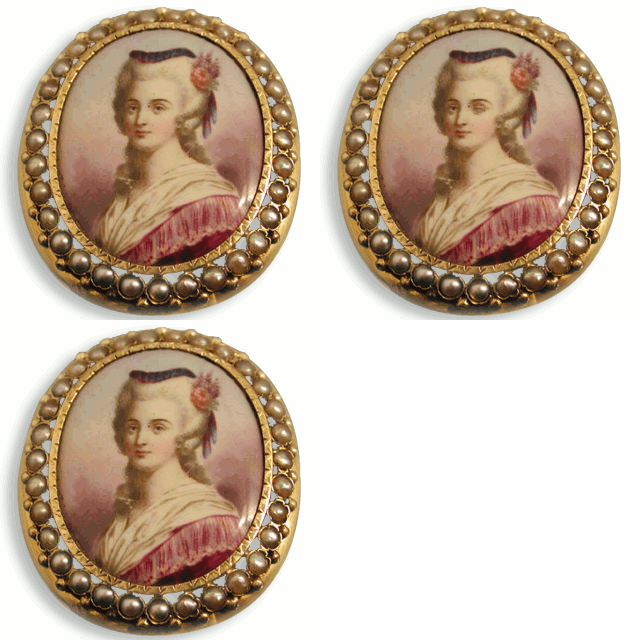 |
"The winking portrait brooch"
Once upon a time... there was a princess who couldn't stop winking. The best doctors in the land were consulted but nobody could cure the princess. Then it was ordained that the man who could cure the princess would marry her. Needless to say, this attracted hundreds and hundreds of fortune seekers but no one could help the winking princess.
Till one day a poor painter came in. He told the king he could trap the wink in a painting. The king, not knowing what else to do decided to let the painter have his way. The painter did as he promissed, then married the princess and they lived on happily ever after.
It is only recently that Adin Museum of Fairy Tale Artifacts discovered this painting in a brooch. When watching really closely you might still see her wink. Chief conservator of the Museum, Mr. Elkan Wijnberg told us that strangely enough once out of the museum the brooch stops winking.
The brooch might still be available for purchase in the museum for a fairy price.
Click the picture for more information on this
Pre Victorian painted portait brooch
(With many thanks to Chaïm for his creative contribution.)
The Adin Museum Of Fairy Tale Artifacts
proudly presents:
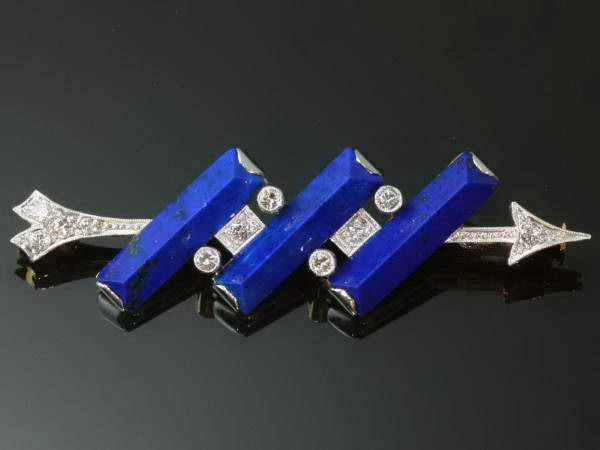 |
"Life is a struggle but your love is my force"
Our latest theme, the “once upon a time” sequence seems to be stirring up romantic inspiration among our readers. One of them had himself inspired by the pictured brooch to write the following romantic fairy tale...
Once upon a time... there was a poor paladin with a pure heart who's name is forgotten long time ago but the memories to him remain intact. The poor paladin loved and was loved in secret by the princess of seas and lands. To reach her kingdom and be blessed by her beauty forever, 3 massive walls had to be conquered. Trust, Faith and Loyalty were their names. The paladin overtook these obstacles with persistence and finally reached the princess to spend the rest of their lives together in loving harmony. This brooch immortalizes the paladin's journey.
With many thanks to François!
Click the picture for more information on this
Diamond arrow brooch perforating three solid bars of lapis lazuli.
The Adin Museum Of Fairy Tale Artifacts
proudly presents:
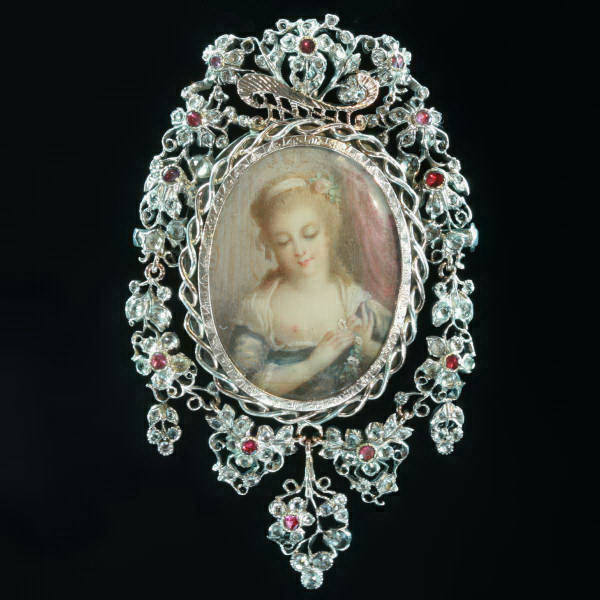 |
The link between jewelry and food
Once upon a time... long long time ago, somewhere in the 15th Century, there was a woman at the French court who introduced a trend that some 600 years later would bring Janet Jackson legal trouble.
True, but we only have one charming reason to believe that the woman depicted in this 19th Century brooch/pendant is Agnès Sorel (1422 – 1450). Agnès Sorel was twenty years old when she was first introduced to King Charles. At that time, she was holding a position in the household of Rene I of Naples, Charles' brother-in-law. As reflected in art of the day, she was an extraordinarily beautiful young woman, and was also extremely intelligent. The French king was immediately smitten by her charms and took her as his mistress; he even gave her the Château de Loches (where he had been persuaded by Joan of Arc to be crowned King of France) as her private residence. She entered the French court in 1444 and introduced the single bare-breasted decolletage becoming a real trendsetter for many noble ladies following her example.
For reasons we do not know of, several dishes are named after her (a real attacker is the Agnès Sorel Cream Soup). She really got noticed; not a bad achievement for a woman who lived so long ago for such a short period of time.
Click the picture for more information on this
Victorian romantic brooch pendant with painted miniature on ivory and paste stones.
The Adin Museum Of Fairy Tale Artifacts
proudly presents:
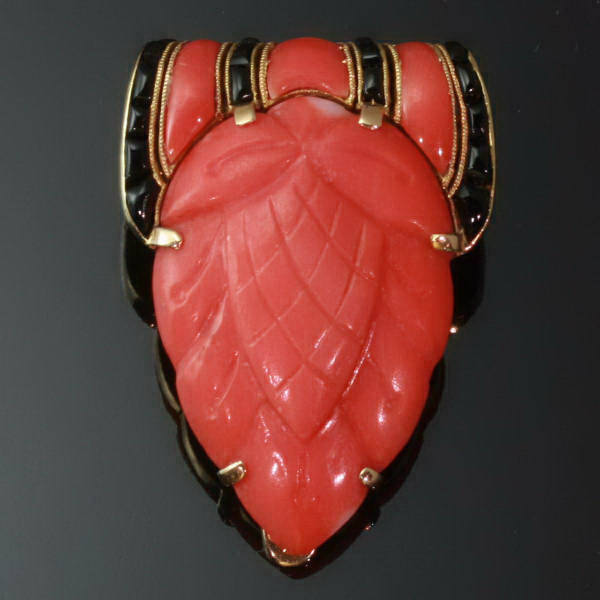 |
How to tell a True Princess?
Once upon a time... there was a queen-mother that wanted to check if her future daughter-in-law was the real princess she claimed to be.
She went into the bed-room and hid there a beautiful Art Deco clip. In the morning the princess was asked how she had slept. "Oh, very badly!" said she. "I hardly closed my eyes all night. I felt a presence of sheer beauty."
Nobody but a real princess could be as sensitive as that.
So the prince took her for his wife, for now he knew that he had a 'real' princess; and the clip was put in the Adin Museum of Fairy Tale Artifacts, where it may still be seen, provided no one has bought it!
Click the picture for more information on this magnificent Art-Deco clip.
The Adin Museum Of Fairy Tale Artifacts
reveals historic secret:
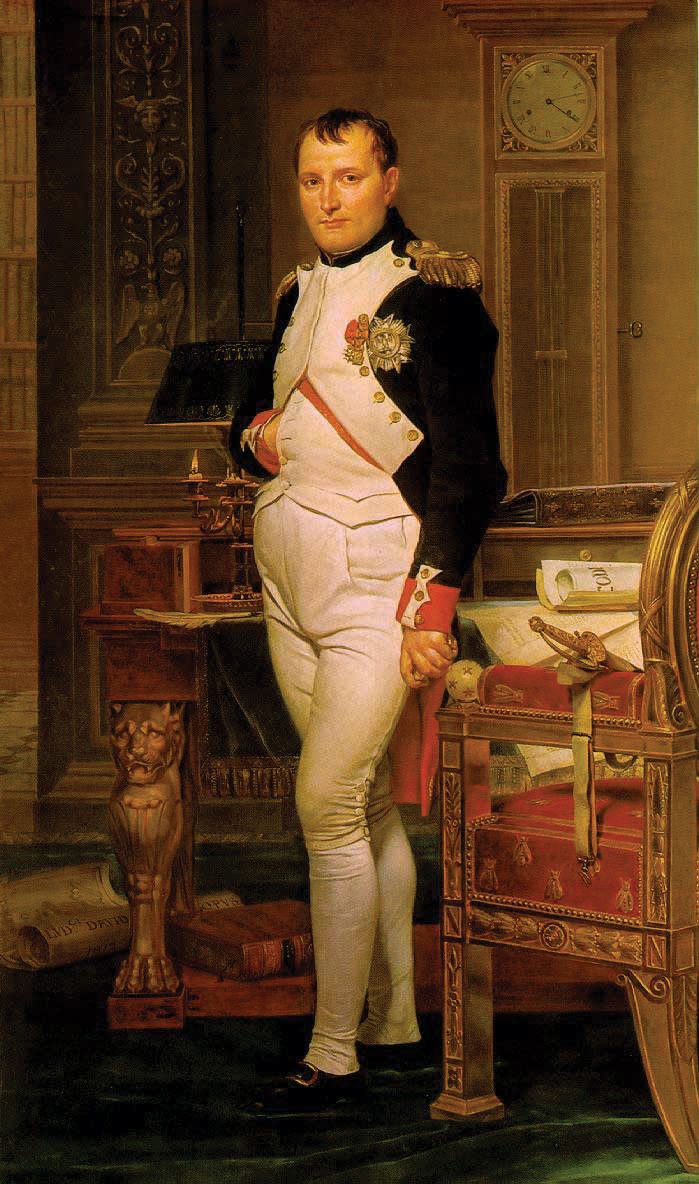 |
What was Nappy holding in his right hand?
Once upon a time... it must have been shortly before Valentine's day when Napoleon's court painter took an instant snapshot of the emperor when he was on his way to the woman he loved. Napoleon with the jewel in his right hand, in a reflex, hid the jewel under his waistcoat.
For a long time the existence of this jewel has been a source of dispute between jewelry historians around the world. It's only shortly that Mr. Elkan Wijnberg, chief conservator of the Adin Antique Jewelry Museum of Fairy Tale Artifacts revealed what it was.
Mr. Wijnberg told us: "Napoleon, being way ahead of his time, loved jewelry from the 1950's. And what was better then to express his emotions to the woman of his dreams then by offering her a pendant with the romantic text: 'Because I love you more and more each day, today more than yesterday but less than tomorrow'. It is not a public secret that Napoleon, a man of little words, prefered to speak French above English thus the text was translated into '+ qu'hier et - que demain'."
Now it is with great pride and ultimate joy that the Adin Antique Jewelry Museum of Fairy Tale Artifacts exibits the actual piece of jewelry that Napoleon held in his right hand on this picture.
Click the picture for more information on this antique jewelry love token.
The Adin Museum Of Fairy Tale Artifacts
proudly presents:
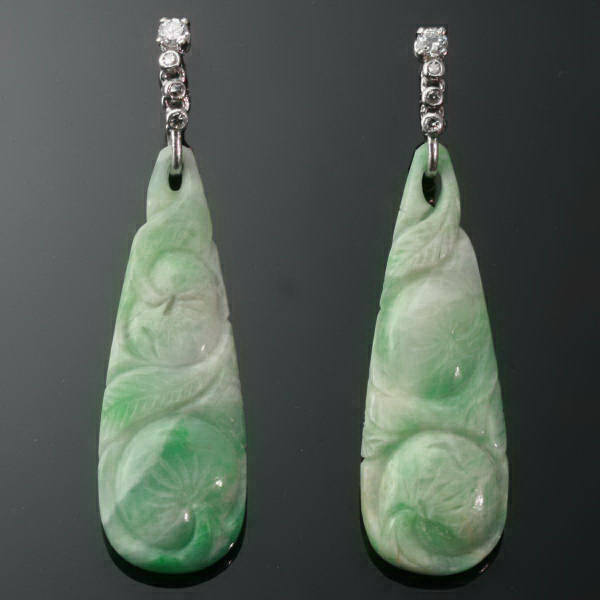 |
Art Deco jade eardrops.
Once upon a time... long, long ago, there was a snow-white Jade Dragon, living in a rock cave on the east bank of the Celestial River. In the great forest across the river lived a beautiful Golden Phoenix.
Leaving their home every morning, the dragon and the phoenix met each other before going their different ways. One flew in the sky, while the other swam in the Celestial River. One day, both came to a fairy island. There they found two shining pebbles and were fascinated by their beauty.
"Look, how beautiful these pebbles are!" Golden Phoenix said to Jade Dragon.
"Let's carve them into pendants," said Jade Dragon.
Golden Phoenix nodded in agreement. Then they started working on it, Jade Dragon using his claws and Golden Phoenix her beak. They carved the pebbles day after day, month after month, until they finally made them into perfect pendants. In high spirits Golden Phoenix flew to the sacred mountain to gather diamonds and Jade Dragon carried a lot of clear platinum from the Celestial River. They sprinkled and washed the pendants with diamonds and platinum. Gradually the pendants turned into dazzling eardrops.
It is with great pride that the curator of the Adin Museum of Fairy Tale Artifacts presents these dazzling eardrops in his collection.
Click the picture for more information on these beautiful pebbles.
The Adin Museum Of Fairy Tale Artefacts
proudly presents:
 |
 |
 |
A royal seal!
Once upon a time... there were three kings that went on a relic-quest to the Holy Land. Their remains were transported to Cologne by Frederick Barbarossa where they rest today. As a reminiscence to this quest the family de Grammont intergrated the three heads in their family crest.
The family de Grammont are among the five most noble families in France and come from the family of the barons de Granges, barons of the county of Bourgogne in France. This family had many great officers at the court and armies of the Dukes of Bourgogne, and three archbishops of Besançon. Four Grammonts were lieutenant generals in the armies of the King of France in the eighteenth century. The family crest of de Grammont bears also the crosses of Bourgogne.
The Adin Museum Of Fairy Tale Artefacts
proudly presents:
 |
The original Cinderella gold sewing kit!
ANTWERP, Januari 17 (Reuters) – A master plan released today will dramatically overhaul the Garden of Adin, incorporating the innovative feature of "The Adin Museum Of Fairy Tale Artefacts”. Garden of Adin Education Commissioner Elkan Wijnberg released the master plan today after presenting it Friday to the Board of Regents, where it was enthusiastically received.
He also announced the first exciting donation to the Museum and gave us the story behind it: Once upon a time there was a princess that we will call Cinderella. Cinderella had an exciting life covered well by all the glossy magazines. For old time sake she repaired the clothes of the rest of the noble family but as privilege entails responsibility she did so with this gold set.
Bishops ring with intriguing mystery!
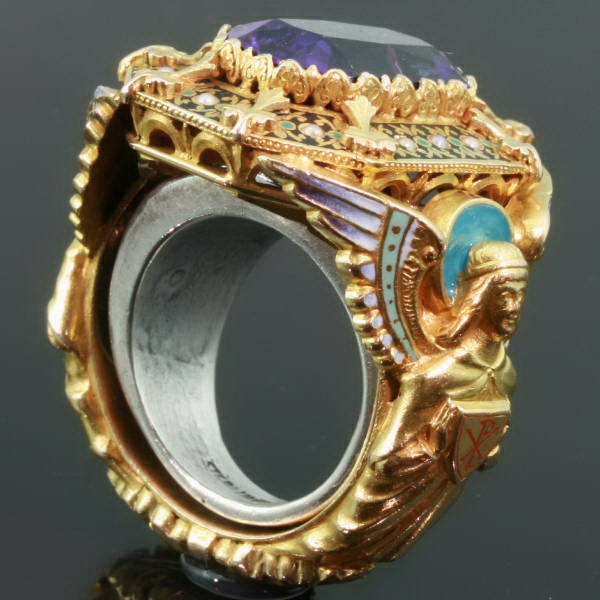 |
Top notch quality!
A bishops ring is not an every day object in our inventory. In the almost 30 years of experience in the antique jewelry trade we can recall to have purchased only two before. (One of them was used in the movie "The Da Vinci code" based on the best seller by Dan Brown. It was worn by Alfred Molino playing the role of Bishop Aringarosa.)
There is something odd about this ring. Not the bishops ring itself but the ring that comes with it. Inside the bishops ring we found a silver ring hidden with in relief a gold wolf. Bishops rings are normally worn on gloves so their size is "a bit larger then normal". But to find another ring hidden into such ring puzzles us. A hidden ring with a non-Christian motif. What could be the story behind this? Why would a person wearing such ring find it important to hide an extra symbol to this high profile ring and hide it?
Merry whatever-you-celebrate
and peace for all!!!
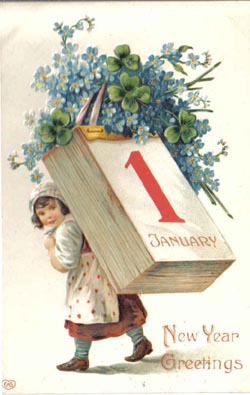 |
Thank you
for having the good taste
to call upon our expertise.
From Elkan Wijnberg, CEO
and the entire Adin-team
Don't sit under the Christmas tree
with anything else but me
 |
Victorian locket with rose cut diamond star motif
It could be well possible that this locket was made to celebrate the passage of Halley's comet. The passage of Halley inspired jewellers to make jewels in the shape of celestial bodies. This comet appears every 76 years. In 1705 Edmond Halley predicted, using Newton's newly formulated laws of motion, that the comet seen in 1531, 1607, and 1682 would return in 1758 (which was, alas, after his death). The comet did indeed return as redicted and was later named in his honor.
Or the maker of this beauty was just into stars.... who will tell after so many years?
Click the picture for more information on this beauty.
Flowery icicles discovered
in the Garden of Adin
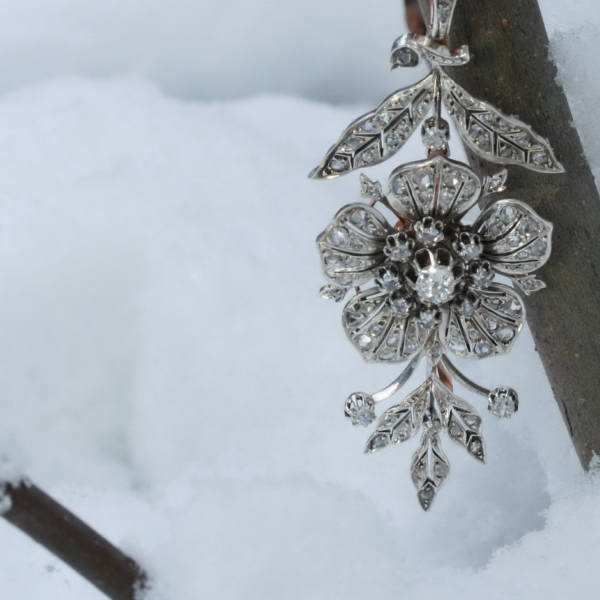 |
So it was that blizzard came up at evening and covered the Garden of Adin, and in the morning the snow lay all around the camp. And when the layer of mist lifted, there, on the surface of the wilderness, was a small sparkling substance, as fine as frost on the ground. And the Gardener picked it up and he was happy.
Click the picture for more information on this beauty.
Winter merriment in the Garden of Adin
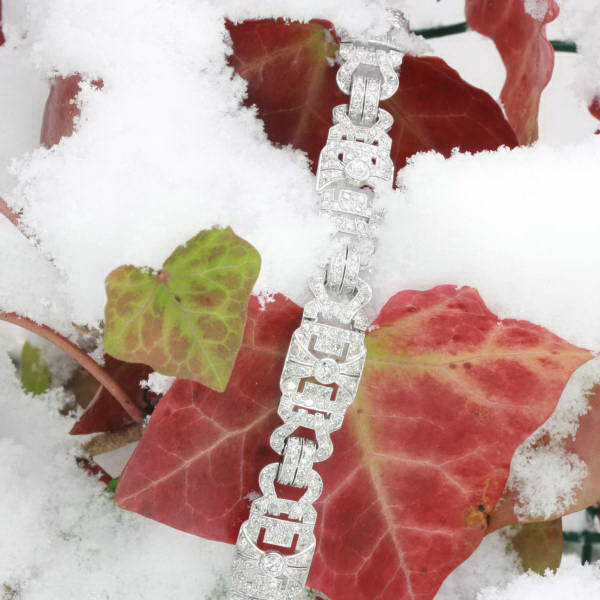 |
In the frosty Garden of Adin,
(while pelting snowballs at his beloved offspring)
much to the Gardener's joy and surprise
a bracelet was found
sparkling with glimmering ice.
Click the picture for more information on this beauty.
Neo Etruscan crucifix in original box
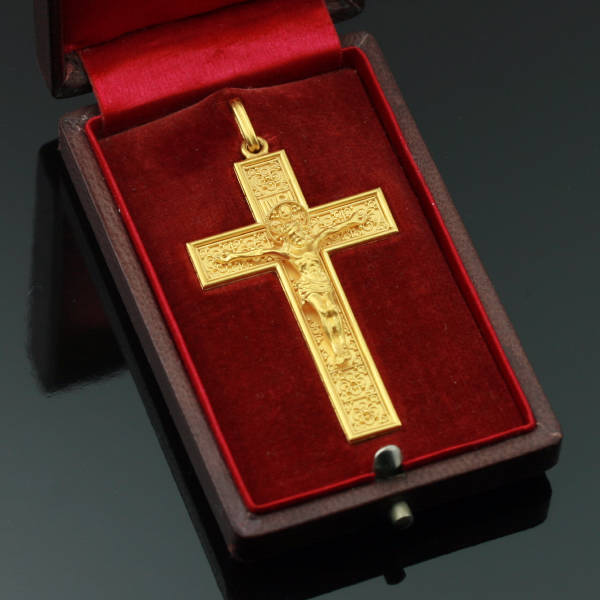 |
Top notch quality!
There are crosses and there are crosses but this one is one of the nicest in its sort that we have ever come along. Skilfully crafted with filigree and granules, a real joy for the eyes. The corpus is 3-dimensionally worked out and the aureole is also made in the finest filigree and granules technique. It comes in its original box with the text: "Luigi Freschi - Via Condotti - 55, 55a, 56 57, Corso Umberto 1º 401 - ROMA".
In the second half of the 19th Century goldsmiths of that era sought and found their inspiration by excavations such as Pompeï and the Etruscan treasures. Especially in Italy the so-called Neo-Etruscan style reached high levels as we can see here with this beautiful refined cross
This jewel features a filigree decoration, which is in fact thin golden wire twisted into refined motifs, in this case elegant little balls. You can also notice the use of granulation on this piece. Granulation is a technique where the goldsmith uses very small balls (granules) of metal, which are not soldered to the piece but welded. Both techniques demand very high skills and precision from the maker.
Click the picture for more information on this beauty.
Belgium and diamonds...
a marriage of centuries
 all diamond rings |
 all diamond earrings |
 all diamond pendants |
 all diamond brooches |
 all diamond jewelry |
~ A kiss on the hand may be quite Continental, but diamonds are a girl's best friend. ~
Although Marilyn Monroe sang about them in 1953, diamonds are thought to have first been recognized and treasured as gemstones and religious icons in ancient India (where they were mined too). The usage of diamonds in engraving tools also dates to early human history. The name diamond is derived from the ancient Greek "adámas" meaning "unbreakable, untamed".
In 1475 Lodewyk (Louis) van Berquem, a Flemish stone-polisher from Bruges, Belgium, introduced the concept of absolute symmetry in the placement of facets on the stone. 17th century French jeweler, Jean-Baptiste Tavernier (1605 -1689, and also with Belgian roots), was one of the early pioneer's of diamond trade with India. In his book "The Six Voyages of Jean-Baptist Tavernier" he documented many historically significant diamond cuts.
Popularity of diamonds has risen since the 19th century because of increased supply, improved cutting and polishing techniques and growth in the world economy. And in our days we at Adin, based in Antwerp - Belgium, are offering the splendours of craftmanship from diamond polishers and goldsmiths of many centuries. This reflects itself in the diamond jewelry we have to offer from the 17th century and onwards.
Dear friend,
This time we take the liberty of sending you a mail without any special picture or back-ground information on symbolism, style or era. Just a list of present suggestions. We also would like to inform you that all orders till December 21st are still in time to be delivered before Christmas and that all orders will be specially packed in a free gift wrapping.
Hoping to be at your service with this,
do we remain,
antiqually yours,
The Adin team
 rings up to $500 |
 earrings up to $500 |
 pendants up to $500 |
 brooches up to $500 |
 all jewelry up to $500 |
 rings up to $1,500 |
 earrings up to $1,500 |
 pendants up to $1,500 |
 brooches up to $1,500 |
 all jewelry up to $1,500 |
rings up to $5,000 |
 earrings up to $5,000 |
 pendants up to $5,000 |
 brooches up to $5,000 |
 all jewelry up to $5,000 |
 rings up to $10,000 |
 bracelets up to $10,000 |
 pendants up to $10,000 |
 brooches up to $10,000 |
 all jewelry up to $10,000 |
 rings $10,000 + |
 bracelets $10,000 + |
 necklaces $10,000 + |
 brooches $10,000 + |
 all jewelry $10,000 + |
In the hands of the beholder?
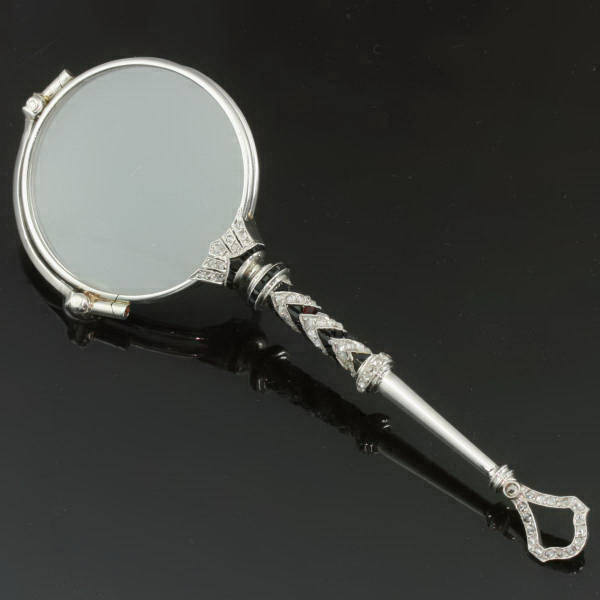 |
French Art Deco platinum lorgnette
(a real eye-catcher)
A lorgnette (or face-à-main) is a pair of glasses (or opera glasses) held by a long handle at one side mostly used by the (well-to-do) ladies.
This particular type of lorgnette has a hidden system in its stem that, by moving it slowly down with the tip of your fingers, will release a spring that will open the closed lorgnette with one glass and makes it into a double-glassed lorgnette.
Craftfully worked out in platinum and richly covered with rose cut diamonds and little carré calibrated stones makes this utensil a true jewel.
Click the picture for more information on this beauty.
Look what we found!
 |
Antique head parure from Zeeland, Holland.
Although we do not think this is something you would wear it can be a valuable addendum to an antique jewelry collection. A very complete headset from Zeeland which is in the west-southern part of Holland, to be more specific from the area called Walcheren. To find a complete set is special because mostly these sets are split up to different heirs at legacies. This typical wear for a Zeeland country woman (or farmer's wife) was worn in the 19th Century till our days. Today there aren't nearly any people left who wear the dress of this local distinctive style. While the youngsters do not wear it at all any more the older people do wear it occasionally. And in 2003 the last two men wearing the traditional clothing died and most probably in another 10 till 15 years no woman will be wearing it any more either.
What is she wearing you would ask. Well, she is actually wearing more then you can see. First of all, over her back-combed (long) hair with the front of her hair in what is called in the local dialect “toer” (pronounce “tour”) she is wearing a starched so called “ondermuts” (Dutch for the little lace coif that is worn under the cap you see). Over this coif the actual head set was placed. This headset is called “ijzer” (Dutch for “iron”). The reason why it's called “iron” doesn't do it much justice as it is made of a U-shaped silver brace that goes over the back of the head to both temples. At both ends of this brace the gold curls are attached. Most of the times, the weight of the golden curls is engraved in the back of the silver brace as is the case here. It gives us the weight of 32 grams.
Then over this brace the final cap, called “langette”, (also stiffly starched) was placed and hold into its position with three gold needles at both sides of the head. These three needles are in three different sizes and made in gold filigree. Then last but not least, to finalize the outfit at both curls the actual jewel, a pendant, was attached, a sort of triangle plate with low pyramid shapes on it and a baroque pearl hanging underneath.
And then when it started to rain the women hated it because when their stiffly starched caps became wet and soft all their work was for nothing.
Click the picture for more information on this antique jewelry rarity.
Art Retro
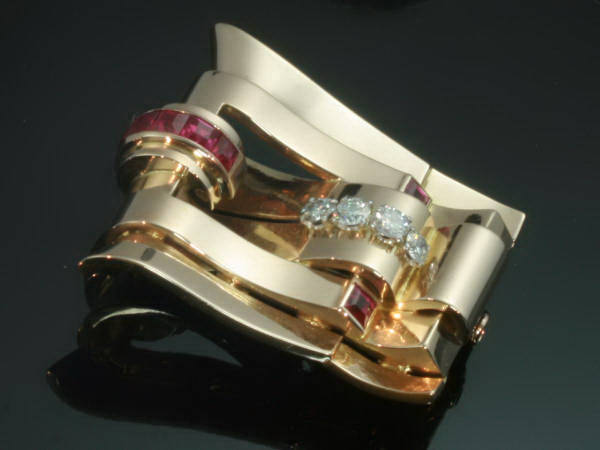 |
Retro Style is a recent designation for the period in the forties when large scale, stylized geometric forms, drapes, bows or ribbons were all the rage. The Retro style was strongly influenced by its predecessor: the Art Deco style. Using the same type and language of geometrical shapes but with bolder heavier lines, shapes and stones.
Typical for the Retro style is its imitation of three dimensional folds of fabric with the ribbon bow as its most popular motif, often highlighted in the center with a calibré cut ruby or sapphire knot (mostly lab-produced stones were used (see also Verneuil rubies and sapphires) and diamonds in various cuts as white accents.
That gold regained its popularity during the Retro period was due to the fact that platinum was not available to the goldsmiths and jewellers since this was being used for the war effort. This was the main reason that during the Retro period different colors of gold became popular - yellow gold was combined with rose gold and green gold in striking combinations. In France goldsmiths worked with no less then 27 shades of colors of gold.
Click the picture to see a close-up of this strong design retro brooch.
One of the joys of life...
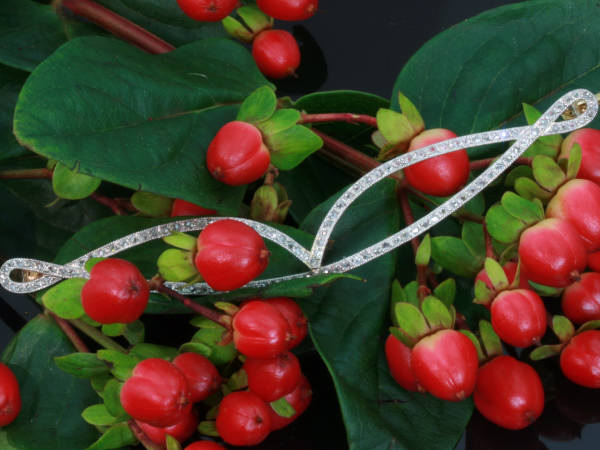 |
Cherry picking in the Garden of Adin!
Click the picture to see a close-up of this elegant brooch.
Autumn in the Garden of Adin
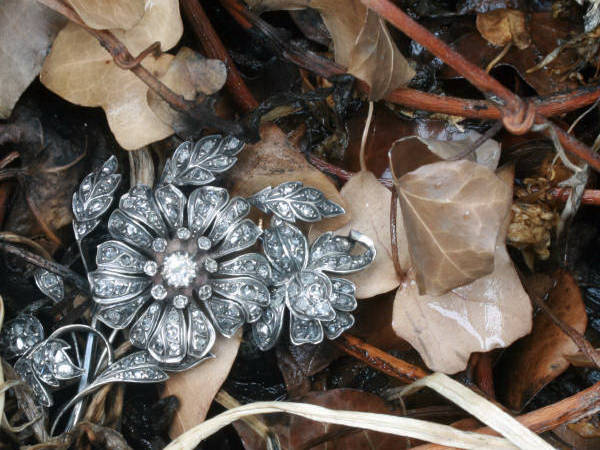 |
Vanitas vanitatum et omnia vanitas
In all we do, and hear, and see,
Is restless Toil, and Vanity.
While yet the rolling earth abides,
Fashion comes and goes like ocean tides;
And ere one style dies,
Another trend shall rise;
That, sinking soon into the grave,
Others succeed, like wave on wave;
part of the poem "Vanitas Vanitatum, Omnia Vanitas."
by Anne Brontë (1820-1849)
(freely rendered)
In the arts, vanitas is a type of symbolic still life painting especially associated with Northern European painters in Flanders and the Netherlands in the sixteenth and seventeenth centuries. The word is Latin, meaning "emptiness" and loosely translated corresponds to the meaninglessness of earthly life and the transient nature of vanity.
By the 16th century flowers would appear (again) as symbols of the seasons. Starting in Roman times is the tradition of the use symbols of mortality, transience and earthly remains. These so called vanitas images have been re-interpreted through the last 400 years of art history, starting with Dutch painters around 1600. It is from these paintings that the Gardener took his inspiration for this Garden of Adin Vanitas Vanitatum.
Click the picture to see a close-up of this beautiful Dutch rose cut diamonds brooch.
Flowers are love's truest language
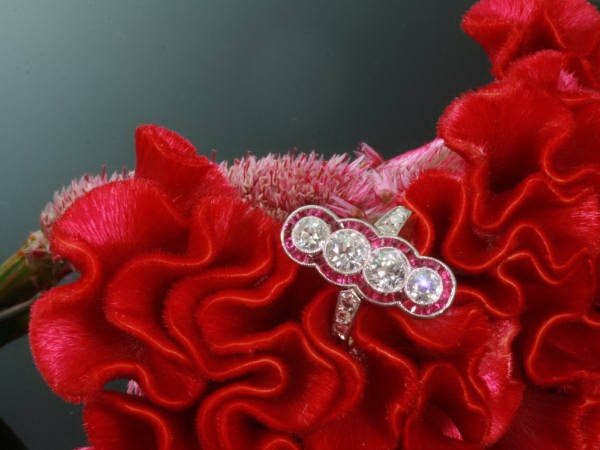 |
(But sometimes even the truth needs a little help)
Flowers are part of our daily life. For virtually every event we have assigned a special flower. Flowers for love, church, church graveyard, marriage, etc. In the 16th century inn's use to have a branch or flower stalk as signboard which later often changed only into the name of a specific tree or flower. Many times one finds flower gardens in mythological sceneries. The allegoric use of flowers is uncountable: attributes for the springtime, the youth, the sunrise, the rhetoric, the virtue etc. Lots of countries carry a flower as national symbol: Hungary had the tulip and Scotland the thistle, etc.
On our site we have dedicated a page to flower symbolism where you can read much more about the symbolism behind the use of floral motifs. Enjoy!
Click the picture to see a close-up of this magnificent Art Deco ring.
Archaeological-revival necklace
attributed to Fontenay
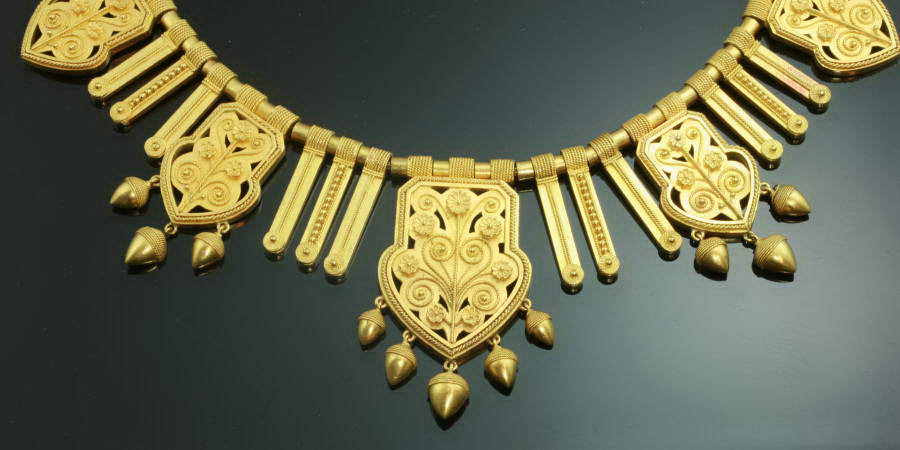 |
ANTWERP, September 16 – It is with great pride that we offer this magnificent necklace here. A true museum piece that we are thrilled to have in our collection.
The continuous uniform fringe decorated with beads, wirework and florettes of this necklace is typical for the work of Eugène Fontenay. A demi-parure of very similar design is illustrated in French Jewelry of the Nineteenth Century, Henri Vever, translated by Katherine Purcell, p. 643. and a similar necklace plus matching earrings were sold last year at Sotheby's for $ 52,000!
The archaeological revival is the appellation for neo-styles of the 18th and 19th centuries that where inspired by discoveries in the excavations of Roman, Egyptian, Hellenistic and Etruscan sites. The first revival in the 18th century, which is called neoclassicism, came after excavations of the cities of Pompeii and Herculaneum. The second revival was inspired by finds in Etruscan burial sites (in Italy). In jewelry, this style is characterized by granulation and filigree decorations.
There is some discussion among experts on who rediscovered the granulation technique. To some it was Castellani in the 19th Century but various methods of manufacturing and handling of granules have been described by Pliny in 79 AD, V. Biringucchio in 1540, G. Agricola in 1556, B. Cellini in 1568, M. Fachs in 1595 and A. Libavius in 1597/1606. In fact never since it was first used has granulation been a lost art. Until far into the 19th Century, the time of its alleged 'rediscovery', this technique has thrived continuously in many places like Russia, Bulgaria, Mongolia, Tibet and Persia. This also holds true for Swiss, German and Dutch folk-jewelry.
Eugène Fontenay (1823-87) was one of the foremost goldsmiths in France during the second half of the nineteenth century. He was a great admirer of the ancient techniques of granulation and filigree, and became best known for his outstanding work in the 'archaeological' style. Fontenay was no doubt inspired by the Campana collection of ancient jewellery, acquired by Napoleon III in 1860, and his firm produced much work in the antique style based on Greek, Roman and Etruscan examples.
Click the picture to see a close-up of this magnificent necklace.
Noah related gold artefact
in the Garden of Adin
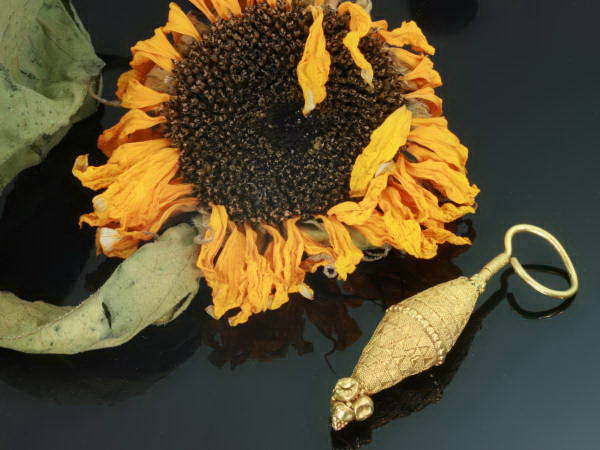 |
ANTWERP, September 12 (Reuters) – Local archaeologists have made an important discovery at the Garden of Adin which might lead to reconsideration of the history and landscape of the site. A report in The Heavenly Inquirer states that the findings include a Caucasian ear pendant made some 1,600 years ago. According to Elkan Wijnberg, general supervisor of antiquities in the Garden of Adin, the discovery of the Caucasian ear pendant is a clear proof of the historical value of the site. He explained us that Caucas, the ancestor of the Caucasians, was the son of Togarmah, who was the son of Japheth who was the grandson of Biblical Noah. He also mentioned the existence of a similar ear pendant in the famous collection of the jewelry museum in Pforzheim, Germany.
Click the picture to see a close-up of this magnificent ear pendant.
We saw it through the grapevine
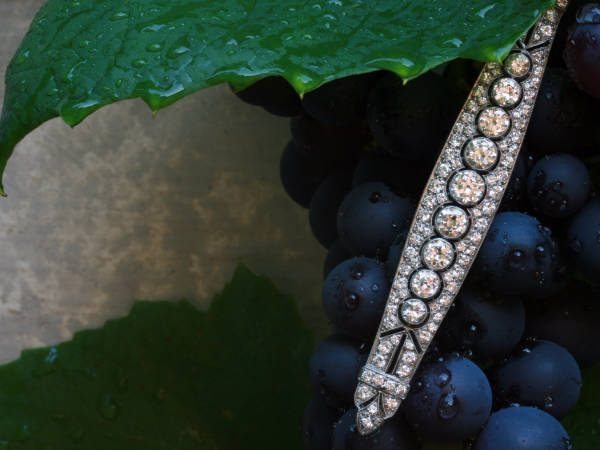 |
ANTWERP, August 30 (Reuters) – Rumours have reached us that the Gardener of Adin is offering the above pictured bar brooch at a reduced price to Adin's followers. When being confronted with this the Gardener confessed. He told us that the price of the brooch had been curtailed with €1,000 which is almost $1,500! In a later statement he testified that this was done in an attempt to lower the presence of crystallized carbon in the Garden of Adin to meet with standards as set in the Kyoto protocol.
Click the picture to see a close-up of this magnificent bar brooch.
Sleeping Beauty Pendant
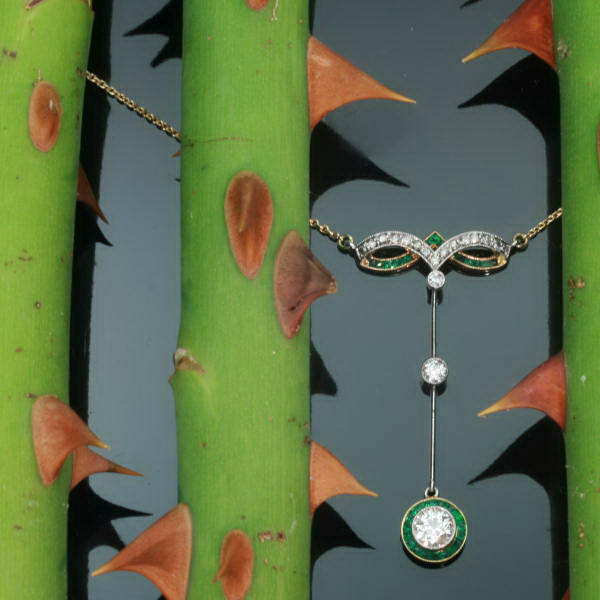 |
ANTWERP, August 23 (Reuters) – Once upon a time in the Garden of Adin, not so far far away from here, the Gardener was pruning the roses when he stumbled upon this sleeping beauty pendant. It must have been asleep there for some 100 years and just waiting to be awoken. We hope that we can be of assistance in its desire to be worn by a princess.
Click the picture to see a close-up of this sleeping beauty pendant.
Ad ogni uccello suo nido è bello
(With every bird its own nest is charming)
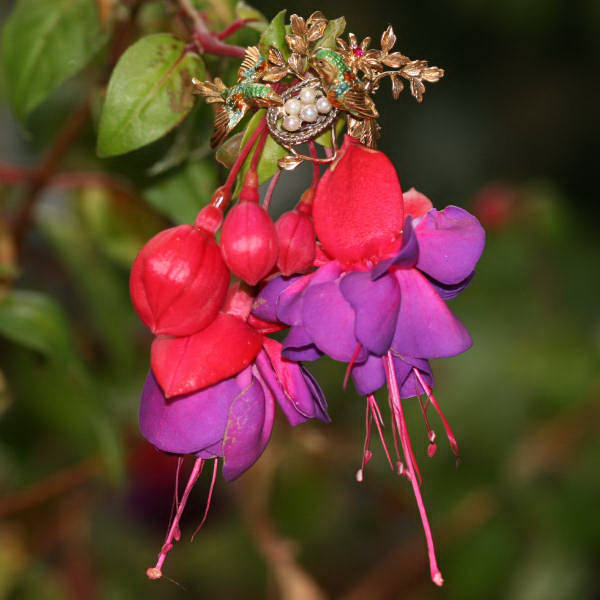 |
ANTWERP, August 16 (Reuters) – During the absence of the Gardener for his sabbatical leave this year it seems that some birds used the quietness in the Garden of Adin to multiply. A bird-spotter spotted a hatching pair of birds and had Adin's photographer called to make a snapshot of the little love couple. We wonder what their eggs will hatch.
Click the picture to see a close-up of these birds on their nest.
Atrocities in the Garden of Adin
 |
ANTWERP, August 09 (Reuters) – In the Garden of Adin a beastliness situation arose with the absence of the Gardener for his annual holiday. An alert passer-by noticed a serpent stalking a dragonfly and notified Adin's photographer who managed to create an image just seconds before the atrocity. We hope that at his returning the Gardener's livestock won't be diminished too much.
Click the picture to see what is left of the Gardener's livestock.
Holidays in the Garden of Adin
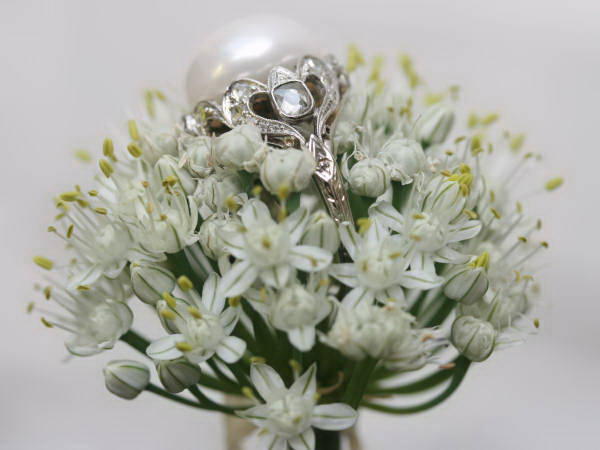 |
ANTWERP, August 02 (Genesish) – And his wife said to the gardener: Behold, I need a break! Build me an ark in the sky and give me entrance into a bright lit place. And behold I will bring a good mood flood upon the earth. But the gardener wanted to take of all his things of gold, many of each he wanted to preserve with him; but his wife threatened to end their covenant. And thus the gardener and his family went on holiday without their jewelry; according to all that his wife had commanded him, so he did.
Wishing all our friends, customers and colleagues
a relaxing vacation!
Click the picture to get to the description of the ring.
A royal shade of purple
in the Garden of Adin
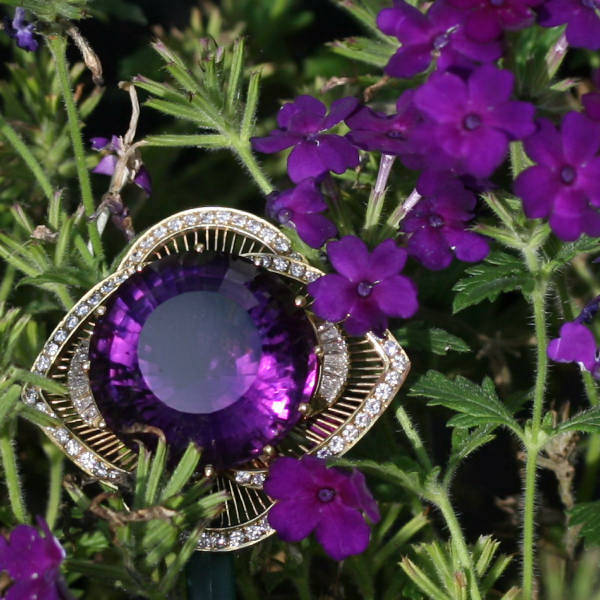 |
ANTWERP, July 26 (Reuters) – In medieval Europe, purple was worn by kings as blue dyes were rare and expensive and only the most wealthy or the aristocracy could afford to wear them. Therefore it is not unexpected that Adin's gardeners found blooming evidence of the origin of this color in the Garden of Adin. Chief-research Elkan Wijnberg said in an exclusive interview with The Heavenly Inquirer that he never had seen an amethyst in such ethereal purple before.
Click the picture to get to the descriptive page of this amethyst brooch pendant.
Superb 18th Century cameo
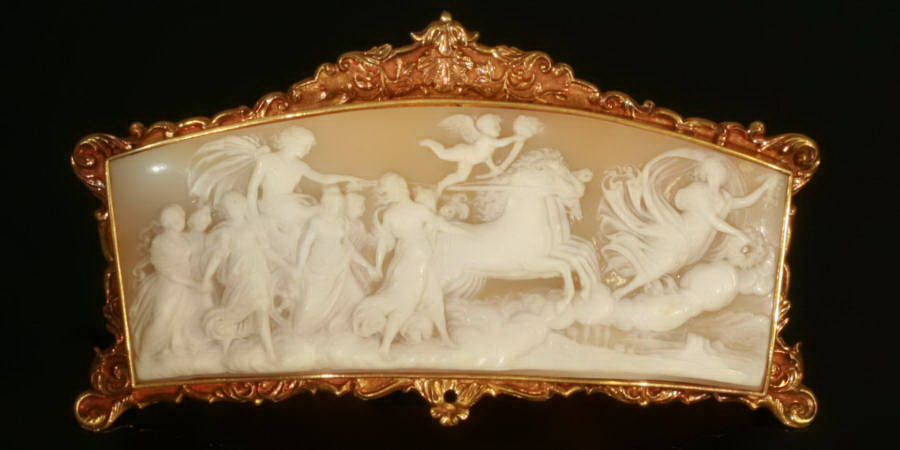 |
Two weeks ago we were lucky being offered an impressive private collection of antique jewelry. The person who brought it to us inherited it from his parents, antique jewelry dealers who retired some 30 years ago, and he wanted to find a good home for it. We felt honoured that he came to us and were amazed by the quality of this collection. One could see the love these people had for antique jewelry.
Among the many high quality pieces we got was one truly amazing cameo. It took us many hours to determine where the cameo came from and what it depicted and the result is amazing. If you want to find out about this cameo just click the picture.
Swarmings above The Garden of Adin
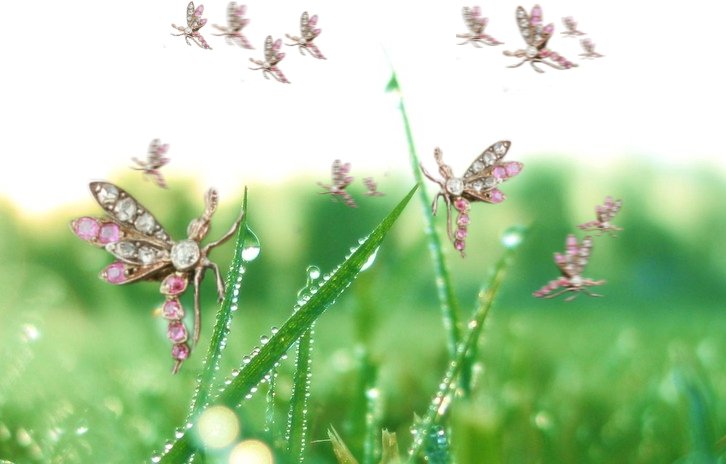 |
ANTWERP, July 05 (Reuters) – In the beginning of the evening and morning of the fourth day of this week Adin's observer yelled: “Behold! There is a swarming of living creatures across the expanse of the heavens above the Garden-of-Adin!”. And Adin's helpmate brought it to man to see what he would call it. And the man called it “stickpin”, that was its name. And we saw all Adin found, and behold it was very good.
(We belief that any resemblance with similar situations in history is purely coincidental.)
Click the picture to get to the descriptive page of this stickpin.
Serpents and apples in The Garden of Adin
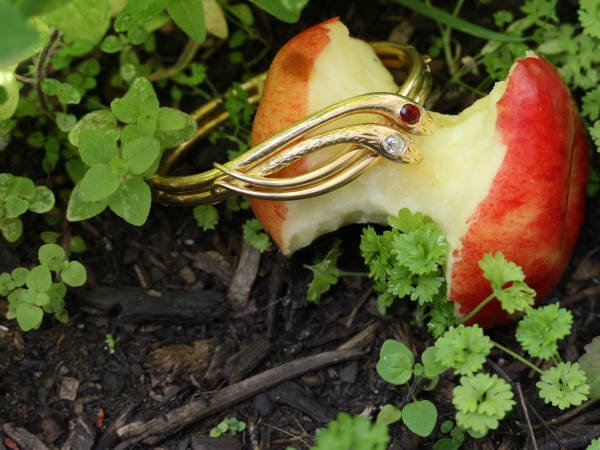 |
ANTWERP, June 28 (Reuters) – Well-informed sources at Adin, Antwerp - Belgium, told us that they are being overwhelmed with requests for information on the exact whereabouts of the Garden-of-Adin. For obvious reasons the exact location of this garden and its treasures is kept a secret. But we were told that the Adin-team is planning to offer on their website some of the treasures they will find.
In the beginning of this week, in the midst of the garden, a serpent was discovered. But behold! When Adin's photographer wanted to create an image of this illustrious animal, he found it entwined with a mate in a rather intense position on a just-eaten apple.
We belief that any resemblance with other known cases of serpents and apples is purely coincidental.
Click the picture to get to the descriptive page of these serpents.
Another mystery in The Garden of Adin
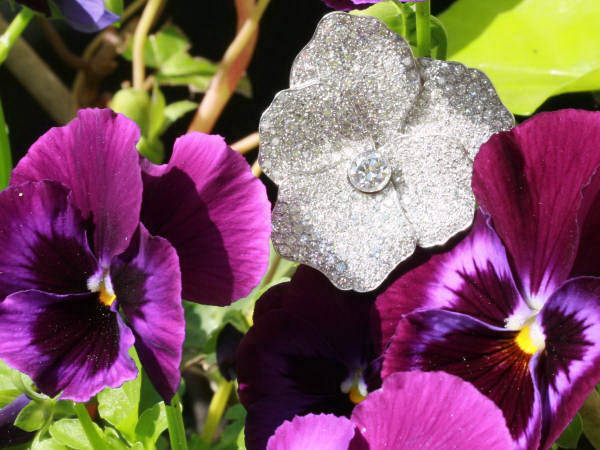 |
ANTWERP, June 21 (Reuters) – Botanists at Adin, Antwerp - Belgium, have discovered a till-now-unknown flower in their garden. They suspect the plant belongs to the family of the Pansy (Viola Tricolor Hortensis). Lead author and a researcher Elkan Wijnberg at Adin Antique Jewelry suggested to name this flower Viola Albino Diamantes. Soon an article will be published in the magazine of Adin's Association for the Advancement of Science (not to be confused with the American Association for the Advancement of Science - AAAS ). We'll keep you updated!
Click the picture to get to the descriptive page of this flower.
Exotic beetle spotted in garden of Adin
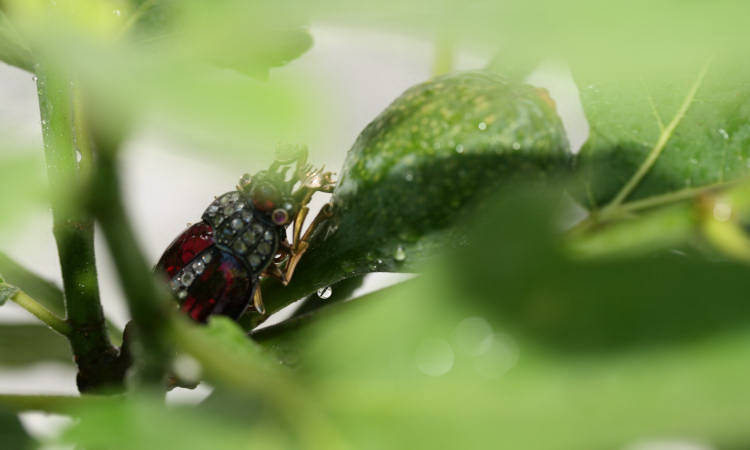 |
ANTWERP, June 14 (Reuters) – Entomologists at Adin, Antwerp - Belgium, have spotted an exotic beetle in their garden. How or when the insect came there is unknown but “Our study convincingly shows that there is a link between the global warming and bejewelled insects hiding under leaves,” said Elkan Wijnberg, lead author and a researcher with Adin Antique Jewelry.
Click the picture to see the all the pictures our photographer was able to make from this insect.
How Art Deco got its name
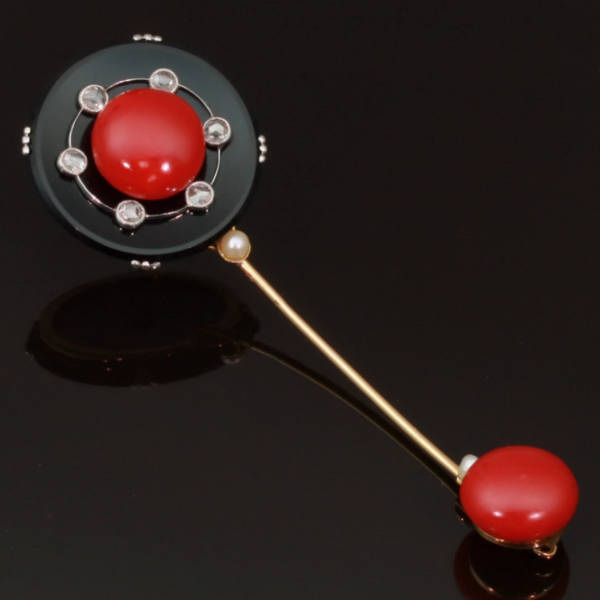 |
One of the major design events of the 1920s, if not the most important, was “L'exposition Internationale des Arts Décoratifs et Industriels Modernes” which is French for “The International Exposition of Modern Industrial and Decorative Arts”. This World's fair was held in Paris, France from April to October 1925.
The term Art Deco was derived by shortening the words Arts Décoratifs in the title of this exposition and described designs in terms of a broad decoratively "modern" style, influenced strongly by Decorative Cubism. One of the members of the Admission Committee for the jewelry department of this trail-blazing fair was the maker of the pin we show here, Mr. George Fouquet.
George Fouquet (1862-1957) is recognized as one of the very few and best known artist jewelers of his time. He won many international awards and worked closely together with artists of his time, like Alfons Mucha.
George Fouquet's jewelry can be found in collections of many important museums all over the world; from the Victorian & Albert in London to The Metropolitan Museum of Art in New York. He bequeathed his archive and designs to the Musée des Arts Décoratifs in Paris
The so-called jabot-pin by George Fouquet we show here, is as close as one can get to the source of pure Art Deco jewelry.
Click the picture to get to the descriptive page of this pin.
A lady came into our store...
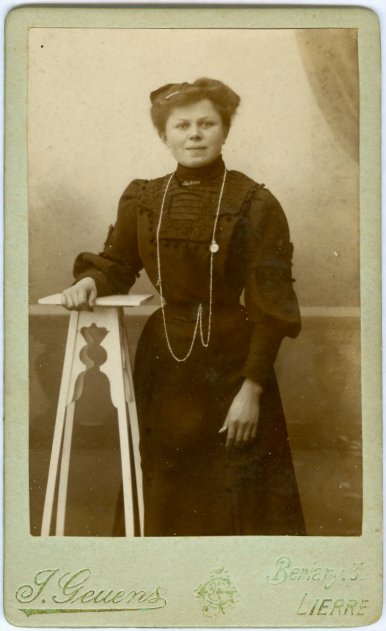 |
A lady came into our store offering us an antique silver chain. She knew it was antique because she had a dated picture from her grandmother wearing it. She showed us the picture and indeed when looking at the picture through our jewelers loupe we saw the same chain. The back of the picture gave away the dates 1911, 1912 and 1913.
Normally we do not deal in silver jewelry but this is so much more then “just jewelry”. This is what our trade is all about, the link between us and our ancestors documented on a dated picture. The lady sold us the chain together with the picture and we are proud to offer it here among our gold, platinum and diamond jewelry. The combination of an antique photograph with the original chain depicted on it is truly unique!
When looking closely at the picture we see a young woman with the, in those days fashionable, wasp waist and sautoir (long chain). The strong bound wasp waist was the ultimate standard of feminine beauty. Although a normal average waist measurements varied between 50 and 58 cm (20 and 23 inches), women tortured themselves with special corsets to measurements between 40 and 45 cm (16 to 18 inches).
We can also recognise the name tag she is wearing on her dress; Catherine. We do not think that granny Catherine would have ever imagined that people would still speak about her 100 years later.
Click the picture to get to the descriptive page of this chain.
Sweet jewelry...
 |
This must be one of the most elegant rings we have ever had. It has the graceful finesse of the Edwardian style combined with the very geometrical forms of Art Deco. This mixture of styles is not surprising as both Edwardian and Art Deco are coevals.
The center is set with a high domed cabochon cut natural sapphire. Such sapphires are called "pain du sucre" which is French for sugar loaf. A sugar loaf, a tall gently-tapering cylinder with a conical top, was the traditional form in which refined sugar was exported from the Caribbean and eastern Brazil from the 17th to 19th centuries.
A sweet piece of jewelry indeed.
Click the picture to get to the descriptive page of this ring.
Antwerp...
Diamond capital of the world for centuries
(not just an empty phrase)
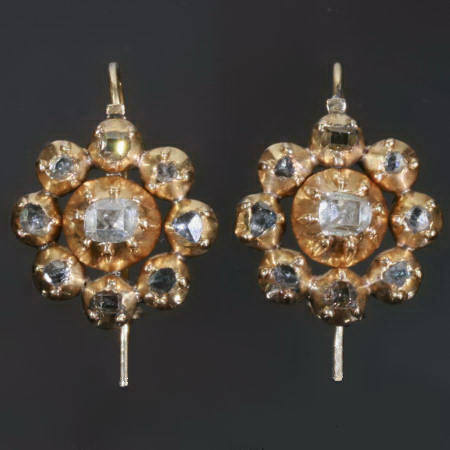 |
 |
 |
 |
Of all cities, it was our hometown Antwerp where, mid 16th century, the table rose cut diamond was introduced. A way of diamond polishing where the top and bottom of the stone were left flat, sloping facets and chamfered corners, creating a sort of trapezium. One can recognize the old 16th, 17th and 18th century rose cuts by these flat tops, the “table”. Later rose cut diamonds were polished in a point to the top. Imagine the ingenuity and patience people had in those days to polish world's hardest material in the shape of their desire.
The depicted jewels here are set with these so called table rose cuts and are about some 300 years old. Just imagine wearing jewelry that old...
Click the pictures to get to the descriptive pages of these jewels.
From manure to jewelry.
(the unlikely evolution of the dung beetle)
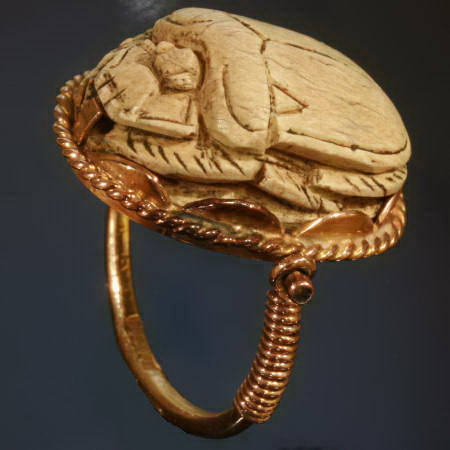 |
In the Old Kingdom of Ancient Egypt, the use of the dung beetle (also called: scarab) as a symbol became common. The dung beetle's rolling of dung into a ball was seen as an earthly symbol of the heavenly cycle. Cut in bone, ivory, stone, Egyptian faience, or precious metals they were often incorporated into tombs, as grave goods, or given as 'gifts'. Over centuries till our days, to people with a fascination for the art and beliefs of ancient Egypt, the scarab is an item of popular interest.
In the past 200 years, Ancient Egypt has been a rich source of inspiration to art and fashion worldwide for at least three times. We call these three periods the Egyptian revivals or Neo-Egyptian styles and they are divided as follows:
- the first one was initiated by Napoleon Bonaparte's Egyptian Campaign, circa 1797
- the second by the construction of the Suez Canal in 1859 and its official opening in 1869
- the third by the discovery of the tomb of King Tutankhamun in November 1922.
We think the ring pictured here is made in Egypt somewhere between 1920 and 1930. Perhaps not even made as a result of the third Neo-Egyptian revival but just to sell to tourists. It could also be questionable if the scarab is originally from the Ancient Egyptian era or specially made to look old, as there are no reasons to believe that the tourist industry in general has changed over the years.
Click the picture to get to the descriptive page of this jewel.
It is not only fine feathers
that make fine birds.
 |
Although Aesop (a Greek storyteller who lived 620-560 BC) meant something else with his saying, he couldn't be more accurate for the bird pictured here. If something got lost over the years in the art of jewelry making then it is the cooperation of various disciplines that are needed to get to one well designed and well made piece of jewelry. The artist/designer, the modeller, the goldsmith, the setter, the engraver, the polisher, all did one's bit in their field of expertise.
As is the case with this strange bird here. A typical product of the fifties of the twenthieth century. All sorts of animals were used as source of inspiration. Made in gold and precious stones sometimes even decorated with enamel, the result of the experts' collaboration was, most of the times, well-made, clever and cute.
The special thing about this bird, besides being funny and a well-made appearance, is the stone used for its eye. A beautiful velvetish light-green colored natural demantoid of nearly half a carat that gives a new dimension to the meaning of the word "sparkle". Proofing that only the best of best was used in such pieces. Demantoid is the most expensive and rare of garnet gemstones, with fine specimens like the one used here commanding prices of thousands of dollars per carat - even more expensive then diamond!
Click the picture to get to the descriptive page of this jewel.
"Quelle heure est-il?"
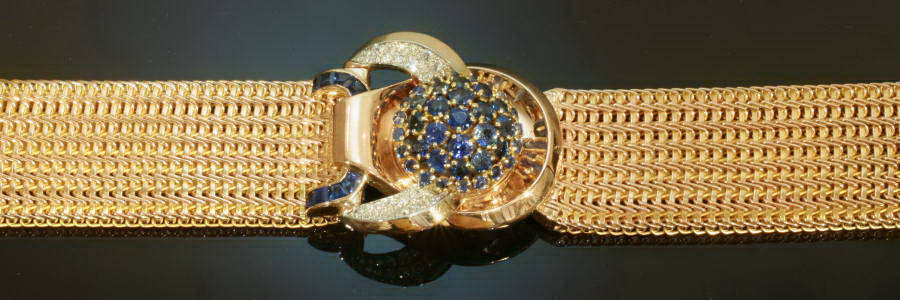 |
(even the French way of asking for the time is elegant)
Belgium and its monarchy as we know it today only exists since 1831. So to speak of a typical Belgian style would be a bit exaggerated. It is more that the Belgian culture is strongly influenced by on one side Holland and on the other side France. It is not that long ago that speaking French was considered to be chic and elegant and Flemish (a Dutch dialect) to be coarse and common.
Being focused on the French culture, Belgian jewelers would let themselves be influenced by the big French jewelry houses. As is the case with this ladies bracelet watch from the Brussels' jeweler Altenloh, one of the very few jewelry suppliers to the court in Belgium. The jewel is a typical example of a high quality ladies watch in Retro style where the watch is hidden behind a bejewelled hinged shutter. We browsed through our library and were surprised not to find a picture of this beauty in any book.
Click the picture to get to the descriptive page of this jewel.
Art Deco?
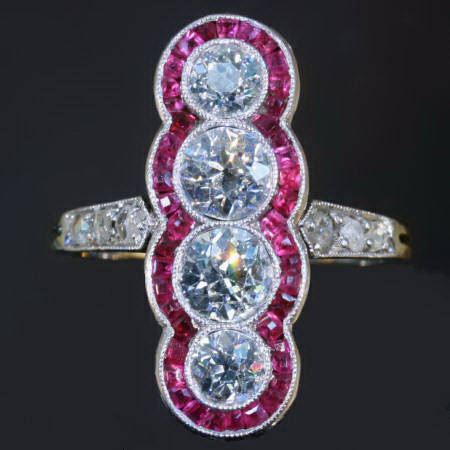 |
 |
They can't be both Art Deco!
Many people mistakenly would designate the style of both rings as Art Deco. However while the ring on the left is Art Deco indeed the style of the ring on the right is called Retro (perhaps even early Fifties).
That both styles are mingled is no big wonder as one is strongly influenced by the other. The Retro style uses the same type and language of geometrical shapes as its predecessor: the Art Deco style; only with bolder heavier lines, shapes and stones.
The Art Deco style was introduced in the 1920s as protest against the dreamy (sometimes even hallucinant) Art Nouveau style and it ended in the 1930s. The style emphasized a very abstract design with geometric patterns. The baguette and emerald-cuts, which had been developed in the nineteenth century, were very popular in the 1920s because they blended so much with the geometrical lines of the Art Deco style.
The Retro style as successor of Art Deco florished between roughly 1940 and 1950. Typical for the Retro style is its imitation of three dimensional folds of fabric with the ribbon bow as its most popular motif, often highlighted in the center with a calibré cut ruby or sapphire knot. In the Retro ring on the right we distantly recognize this bow-shape.
Click either picture to get to the descriptive page of these jewels.
sigh... love, love, always love
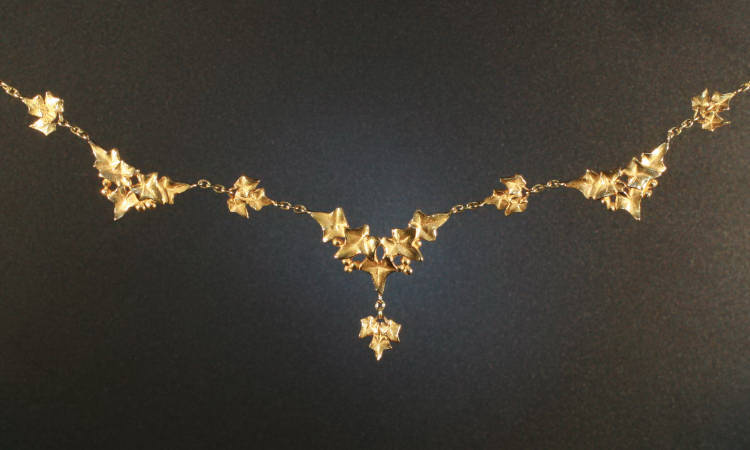 |
Love in flower symbolism
In the late 19th, early 20th century there was a revival of the use of symbolic meanings of plants and flowers. Nature seemed to be a forest of symbols, and flowers were saturated with deeper meanings.
As is the case with the late 19th century French elegant necklace we show here. We clearly recognize an ivy. But what is so romantic about the ivy you would say. The romantic facet of ivy is based upon its tendrils which attach to a wall in a way that can be explained as affectionately. In France one would give a piece of jewelry with ivy depicted on it while saying "Je m'attache ou je meurs" which (freely) translates to "I will cling to you or I will die"...
This hidden meaning is what we like about our antique jewelry, it gives the piece an extra depth. The added emotional value that is not necessary obvious to all but just between the donor and the receiver.
Click the picture to get to the descriptive page of this jewel.
1819?
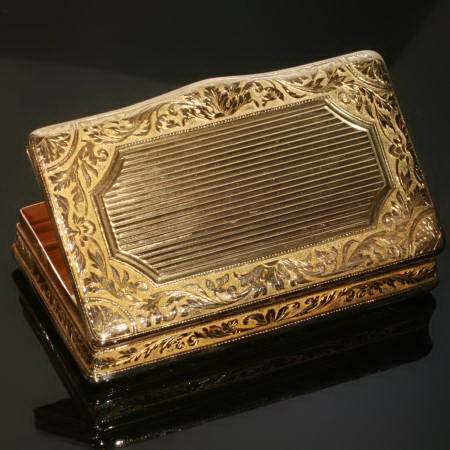 |
What happened in 1819?
In 1819, Alexandrina Victoria was born who later got crowned Queen Victoria of the United Kingdom, Thomas Jefferson founded the University of Virginia and for $5 million Spain ceded Florida to the United States. Ah, and it is the year this box was made.
When looking at the pristine condition of this beautiful box one can only imagine the care and prudence the many subsequent owners of this box must have had in its 200 year old history. Imagine 200 years! That is about eight generations! With pieces this old one realizes that one doesn't really own a piece of history rather then one is the temporarily guardian of such object.
Click the picture to get to the descriptive page of this jewel.
The Griffin
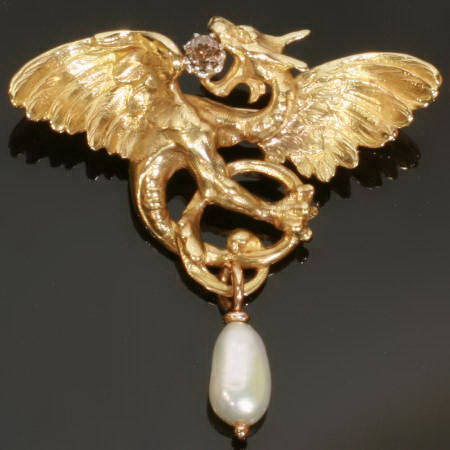 |
A guardian of treasures
The griffin, a strange and legendary hybrid creature, usually represented as being part eagle and part lion is normally known for guarding treasures. The griffin motif is found in sculptures of the ancient Babylonians, Assyrians, Persians, Greek and Romans; in beast allegories of the early Christians; and in Gothic architecture of the late Middle Ages. The griffin remains common in heraldy, representing strength and vigilance.
A hybrid is a composite of two or more species of animal and/or human, and the seven most known hybrids are:
- The centaur
In Greek mythology and art, the centaur has the torso of a human combined with the body of a horse. - The cockatrice
This creature was also known as a basilisk ("king of serpents"), and its very glance could kill; the cockatrice was composed of a dragon's tail and assorted poultry parts. - The giants (gigantes)
These fierce and frightening beings were the offspring of Gaia (the Earth). - The griffin
According to myth, the griffin was a creature with a lion's body attached to the head, wings, and claws of an eagle. - The harpy
Harpies had female torsos melded with vulture parts; the name harpy is derived from the Greek word that means "snatcher". - The satyrs (faun)
Satyrs were often the companions of Dionysos, and these creatures were depicted in myth and art with the legs of goats and bestial natures. - The sirens
Women with bird-like bodies; sirens were legendary for luring sailors by singing their enchanted songs.
Visit our antique jewelry glossary for a more comprehensive explanation on griffins.
Click the picture to get to the descriptive page of this jewel.
An Eastern fairy tale
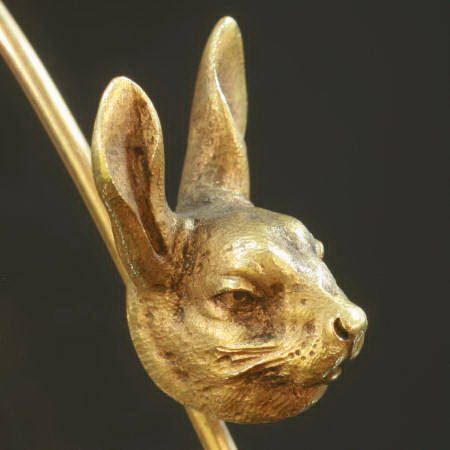 |
How are bunny and hare linked to eggs?
From the many non-religious customs in many religions that find their origin in pagan celebrations of nature the Eastern Bunny must be one of the cutest. The Anglo-Saxon Eastern Bunny and his Continental cousin the "lièvre de Pâques" (French for "Hare of Eastern") find their origin in the pagan celebration of the return of springtime. Way back in the old days (in springtime), when people would go out to forage for food on the land, they would find eggs in old hare forms and/or rabbit holes (the eggs were laid there by different bird species).
To illustrate this little fact we would have loved to show you a big Fabergé egg but we haven't had one in the last 30 years and the chance we'll have one in the coming 30 years is also rather small. Instead we used the golden pin with hare head that we do have.
Click the picture to get to the descriptive page of this jewel.
Specific Dutch regional jewelry
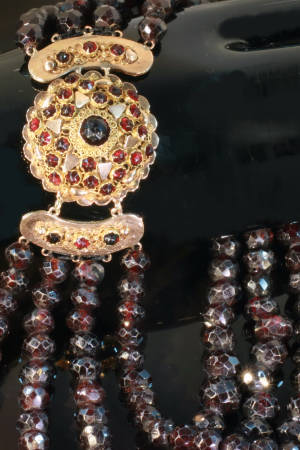 |
This type of necklace reminds me of the days that my interest in antique jewelry was just burgeoning. One of the first books, if not the first book, I bought was about jewelry that was worn with the specific local Dutch costumes. Till the beginning of the 20th century, in some Dutch villages, people were recognisable by their clothes and jewelry. In the Netherlands many villages had their own costume. Only by looking at a piece of jewelry or clothing, experts can tell from which region people were, which faith they had and even their marital status.
The type of necklace here is also depicted in that book and is made in Walcheren, Zeeland (the Netherlands). The closure is in 14K two tone gold (red and yellow) and it has four strings of facetted garnet beads. The closure itself is skillfully embellished with one big and 24 smaller rose cut garnets plus six smaller garnets at the sides. Necklaces like this were worn by women of all ages as part of the "klederdracht" (local dress in its distinctive style).
Today there are nearly any people left who wear the dress of this local distinctive style. While the youngsters do not wear it at all anymore the older people do wear it occasionally. And in 2003 the last two men wearing the traditional clothing died and most probably in another 10 till 15 years no woman will be wearing it anymore either.
Click the picture to get to the descriptive page of this jewel.
Yes, it is a tiara
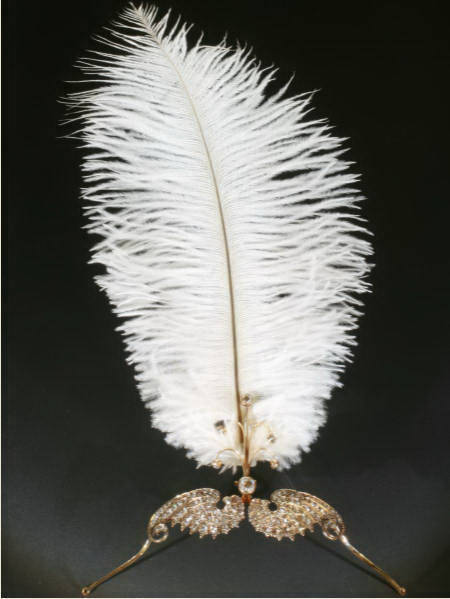 |
 |
 |
Some time ago when walking through the Victoria & Albert Museum in London a little show case grabbed my attention. In it were objects from older times (not uncommon in a museum) and an invitation to the visitors to guess what the use was of those objects. Special pliers used to widen the interior of the fingers of gloves, silver handles with a metal hook at the end that were used to pull on boots or to close a corset. It made me realize that mankind invented so many decorative “useful” things, and abandoned them as easily with the change of fashion season.
Will the tiara pictured above be the next thing of beauty in this line of superfluousity? We think not. Designed and skilfully made by our ancestors who thought that a tiara was inextricably bound up with the “robe de soirée” (French for “evening gown”). The tiara is an unexpected, surprising and yet very wearable piece of jewelry. While occasions to wear one are few and far between, the tiara is still considered the figurative and literal crown to the robe de soirée, making the bearer the princess of the night.